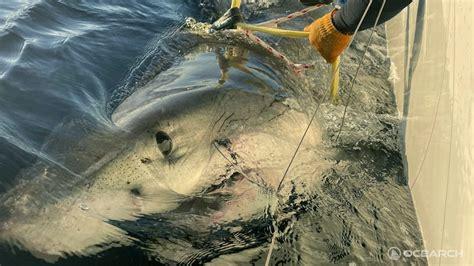
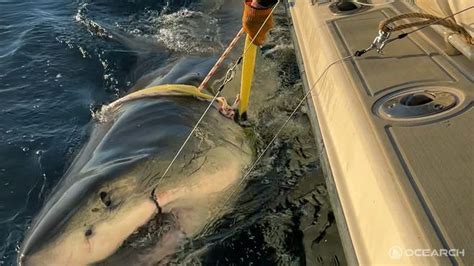
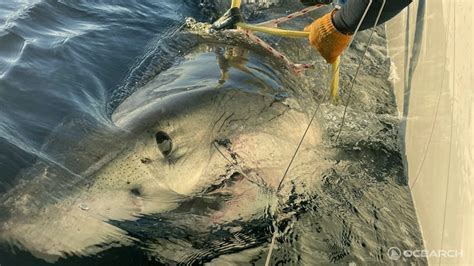
Contender, a massive 14-foot, 1,653-pound great white shark, has recently made waves both literally and figuratively as he was spotted off the coast of North Carolina, marking a key stop on his extraordinary northbound journey through the Atlantic. Tagged in January 2025 by marine research organization OCEARCH, Contender is the largest great white shark ever fitted with a satellite tracker by the group. His sheer size and the meticulous tracking of his migration have turned him into a living beacon of marine research—and a symbol of the mysteries that still surround the apex predators of our oceans.
For marine biologists and curious coastal observers alike, the shark’s appearance near Cape Hatteras is more than just a spectacle. It provides a rare, real-time glimpse into the habits of one of the ocean’s most powerful creatures. As Contender pauses 22 miles off the North Carolina coast, he becomes not just a subject of scientific inquiry but also a reminder of nature’s resilience and complexity.
A Colossal Shark on a Groundbreaking Mission
From the moment Contender was tagged, he has captivated attention not just for his size, but for the invaluable scientific data he’s helping to generate. At 14 feet long, this mature male shark surpasses all others previously tagged by OCEARCH, which has become a global leader in shark tagging and research. His weight of 1,653 pounds places him firmly in the category of true ocean giants.
Great white sharks are known for their seasonal migrations—often moving north in the summer toward cooler waters and heading south in the winter—but few journeys have been as closely observed or publicly followed as Contender’s. His tagging represents more than an achievement in marine biology; it is the start of a longitudinal study into white shark migratory behavior that could reshape our understanding of shark ecology.
A Strategic Pause Near Cape Hatteras
Contender’s decision to pause near the Outer Banks, particularly off Cape Hatteras, is a revealing one. This area, long known as the “Graveyard of the Atlantic” for its shipwreck history, is also a hotspot of marine biodiversity. The mixing of cold and warm currents in this region creates a nutrient-rich environment teeming with life—from seals and tuna to schools of smaller fish—making it an ideal feeding and resting ground for large predators like great white sharks.
Marine experts believe that Contender’s stopover is no coincidence. As part of a natural migratory rhythm, sharks often pause at biologically productive areas like Cape Hatteras to hunt and rest before resuming their journeys. These behaviors, now confirmed through live tracking, are helping researchers validate decades of hypotheses with hard data.
How Satellite Tagging Changed the Game
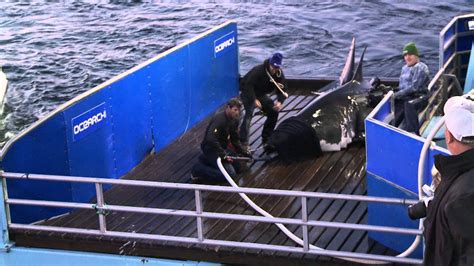
The breakthrough technology behind Contender’s journey is OCEARCH’s SPOT (Smart Position and Temperature) tag, a cutting-edge satellite tracking device affixed to the dorsal fin. Every time Contender’s fin breaks the ocean surface, the tag transmits a GPS signal to satellites, allowing scientists to monitor his location in near real time. The device, with a lifespan of up to five years, records not only positional data but also environmental variables such as water temperature and depth.
This kind of detailed data is revolutionary. It enables scientists to map migratory routes with precision, identify preferred habitats, track feeding areas, and analyze how climate or environmental changes influence shark behavior. In Contender’s case, the high-resolution tracking is particularly significant due to his exceptional size and the possibility that he follows different patterns than smaller or younger sharks.
OCEARCH, founded by Chris Fischer, has made the democratization of scientific data one of its hallmarks. Contender’s movements can be followed by anyone through the OCEARCH Global Shark Tracker, which offers a live feed of his progress. This transparency not only educates the public but also galvanizes support for shark conservation efforts.
Contender’s Connection to OCEARCH’s Mission
The name Contender is no accident. It’s both a tribute to his powerful build and a nod to Contender Boats, a long-time supporter of OCEARCH’s marine research missions. These custom-built vessels have been instrumental in facilitating at-sea tagging expeditions that would be otherwise impossible. Outfitted with state-of-the-art lift platforms and labs, these boats serve as floating field stations for the collection of critical biological data.
Beyond its symbolic value, Contender represents the pinnacle of OCEARCH’s mission: to generate and share open-source data that can drive effective marine conservation strategies. Each transmission from his tag adds a new layer to a complex portrait of great white shark ecology.
The insights gathered from Contender’s journey will inform everything from fishery management policies to coastal safety protocols and marine ecosystem modeling. By tracing the path of one extraordinary shark, researchers are piecing together the behavioral patterns of an entire species.
Why Great White Sharks Matter in Ocean Ecosystems
While the popular image of great white sharks is often one of fearsome predators, their ecological role is far more nuanced. As apex predators, they are crucial for maintaining the balance of marine ecosystems. They help control populations of mid-level predators and ensure the health of fish stocks, indirectly supporting biodiversity throughout the food web.
Contender’s movements may also help shed light on how human activities intersect with shark migration. Increasing coastal development, climate change, commercial fishing, and pollution are altering the habitats these animals depend on. By tracking individuals like Contender, researchers gain a clearer understanding of how such factors influence shark behavior and survival.
The importance of this research grows as more great whites are spotted off heavily populated coastlines, including those of the southeastern United States. Awareness and education—bolstered by real-time data—may prove critical in harmonizing human activity with the preservation of marine life.
Looking Ahead: Northward to Cooler Waters
Contender’s stop near North Carolina is only a waypoint in a journey that’s expected to continue northward into the Canadian Maritimes. Areas such as Nova Scotia and Newfoundland offer the kind of cool, deep-water environments that are perfect for great white sharks during the warmer months. These waters are rich in prey like seals and are less affected by human presence, offering a relatively undisturbed habitat.
What happens next will be pivotal. As Contender continues his trek, scientists are poised to capture more data on how sharks adapt to seasonal shifts, ocean currents, and prey availability. Every ping from Contender’s satellite tag is a page in a developing chronicle of shark migration—and a step forward in conservation science.
The Larger Implications of Contender’s Journey
Contender is not just a shark—he is a sentinel of the sea, illuminating the hidden highways that stretch across the ocean floor. His journey reflects a broader, often unseen natural phenomenon: the vast, seasonal migrations of marine megafauna that shape life in the world’s oceans.
As we track Contender, we are also tracing the impact of climate variability, habitat loss, and human interference on marine life. The tools and partnerships made possible through initiatives like OCEARCH are not only helping us understand these dynamics but offering a template for how collaborative science can work in real time.
Moreover, Contender’s story brings the public closer to marine science. It’s no longer confined to labs or journals—it’s alive, dynamic, and unfolding before a global audience. The excitement generated by each surfacing has helped shift perceptions of sharks from mythic menace to scientific marvel.
Conclusion: Following the Wake of a Giant
Contender’s appearance near North Carolina marks a pivotal chapter in an extraordinary migration—a living voyage that speaks to the strength, endurance, and ecological value of great white sharks. From the moment he was tagged to each satellite ping received, this colossal shark is teaching us how little we truly know about the sea’s top predators.
Thanks to advanced technology and bold marine research, the world can now observe and learn from this titan of the deep. His movements are more than coordinates; they are clues to the delicate and powerful mechanisms that sustain ocean life.
As he continues northward toward Canada, Contender carries with him not just the hopes of marine scientists, but the curiosity of a public eager to connect with the wild. Through him, we are reminded that the ocean is not a static frontier—but a living, breathing world still full of mysteries waiting to be discovered.