The European Union (EU) has launched a groundbreaking initiative with an investment of €8 million (approximately UGX 34,978,676,472) aimed at transforming Uganda’s tourism and trade sectors. This project, known as Sustainable Business for Uganda (SB4U) 2.0 – Trade and Investment Development, is set to run from 2024 to 2028, aligning seamlessly with Uganda’s National Development Plan IV. The primary objective of this ambitious program is to stimulate inclusive economic growth and position Uganda as a leading destination for eco-tourism and green trade in Africa.
As Uganda continues to gain traction on the global tourism stage, the timing of SB4U 2.0 could not be more critical. The initiative addresses several long-standing challenges that have hindered the country’s tourism growth, including poor connectivity, environmental degradation, and inadequate engagement with digital platforms. By tackling these barriers head-on, the EU-funded project seeks to develop essential infrastructure, promote sustainable transportation options, and enhance Uganda’s international competitiveness in the travel and tourism market.

A significant focus of the project is the support of small and medium-sized enterprises (SMEs) within the tourism value chain. These businesses will be equipped with digital tools and provided with sustainable business training that will enable them to access both African and European markets. This strategic approach aims to empower local businesses, ensuring they can thrive in a competitive global landscape while contributing to sustainable development in Uganda.
A Green Push for Uganda’s Future in Tourism and Trade
The initiative also takes a broad view of Uganda’s potential by not only enhancing its tourism profile but also promoting its trade relationships, particularly with Europe — one of the most significant sources of inbound tourism. As regional cross-border travel continues to grow, Uganda aims to attract environmentally conscious tourists and investors by modernizing its infrastructure and championing green business models. Upgrading digital connectivity and infrastructure is paramount, as it is expected to enrich visitors’ experiences through efficient booking systems, sustainable transportation options, and eco-friendly accommodations in national parks and heritage sites.
In line with Uganda’s National Development Plan IV, SB4U 2.0 is designed to bolster sustainable industrialization, inclusive growth, and human capital development. The EU initiative complements these national goals by fostering private sector development in areas that directly benefit local communities. Eco-tourism and sustainable trade emerge as focal points, providing job opportunities for youth in rural and peri-urban areas. This project is poised to make tourism not only an attractive career path but also a means of preserving Uganda’s rich cultural heritage.
The Digital Transformation Game Changer
Central to the SB4U 2.0 initiative is the digitalization of Uganda’s tourism and trade sectors. Currently, many SMEs in Uganda operate informally and encounter significant obstacles in reaching international markets where travelers and buyers make their decisions. Under this program, businesses will receive digital marketing tools, e-commerce capabilities, and access to smart infrastructure designed to elevate their brand visibility and operational efficiency. This digital support aims to enhance the discoverability and bookability of Uganda’s tourism offerings on the global stage.
Tapping Uganda’s Unique Natural and Cultural Endowments
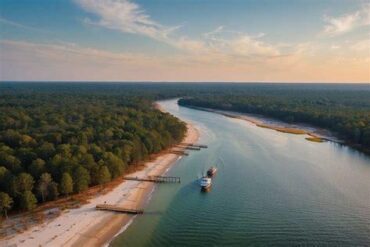
Uganda boasts some of Africa’s most breathtaking natural landmarks, including the snow-capped Rwenzori Mountains, the expansive Lake Victoria, the lush Bwindi Impenetrable Forest, and the powerful Murchison Falls. These stunning resources form the backbone of the country’s eco-tourism appeal, attracting adventurers, conservationists, and nature lovers worldwide. Through SB4U 2.0, efforts will be made to elevate global awareness of these untapped treasures by developing sustainable tourism packages and implementing eco-certification schemes.
Moreover, the initiative places a strong emphasis on conserving Uganda’s cultural wealth and promoting community-based tourism. By engaging travelers in meaningful interactions with local communities, the project seeks to foster respect and understanding while enriching the visitor experience.
EU–Uganda Trade Partnership: The Future Is Here and It Is Sustainable
Beyond tourism, SB4U 2.0 is committed to fostering trade between Uganda and the European Union. By intertwining sustainable tourism with green trade, Uganda stands to significantly enhance its export potential in eco-friendly goods and services, including handicrafts, organic food products, responsible wildlife travel, and carbon offset packages. The EU recognizes Uganda as a strategic partner in Africa’s shift towards a green economy, and through investments like SB4U 2.0, the Union is not only aiding Uganda’s economic sustainability but also promoting a shared vision of environmental stewardship, cross-border cooperation, and inclusive development.
In conclusion, the launch of the SB4U 2.0 project by the European Union heralds a new era for Uganda’s tourism and trade sectors. By focusing on sustainable practices, digital transformation, and community empowerment, this initiative promises to elevate Uganda’s position on the global stage, fostering economic growth while preserving the nation’s rich cultural and natural heritage.