India’s aviation sector is under intense scrutiny after a shocking revelation emerged: Air India Express allegedly ignored a mandatory European Union Aviation Safety Agency (EASA) directive and falsified aircraft maintenance records to mask non-compliance. The explosive allegations come just months before the fatal Air India Boeing 787-8 Dreamliner crash in June 2025, raising serious concerns over aviation safety and regulatory oversight in the country.
Regulatory Breach Involving Airbus A320neo VT-ATD
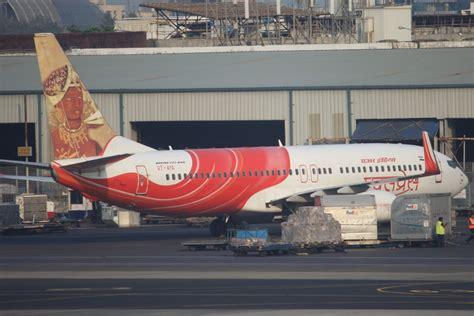
In March 2025, a confidential memo sent from India’s Directorate General of Civil Aviation (DGCA) to Air India Express detailed alarming findings. The airline had failed to implement a required modification on an Airbus A320neo aircraft, registration VT-ATD, involving the CFM International LEAP-1A engine. The aircraft, which had been in operation since 2023 under Air India Express following its merger with AIX Connect, reportedly did not undergo the mandated engine part replacements.
EASA’s Airworthiness Directive 2023-0108, issued in 2023, required the immediate replacement of specific components — including high-pressure turbine stage 1 disks, forward outer seals, and compressor rotor spools (stages 6–10) — due to contamination from reduced-strength iron-infused material. These materials, identified through manufacturer analysis, were found to be at higher risk of catastrophic engine failure under operational stress.
However, DGCA’s surveillance uncovered that VT-ATD had not undergone these modifications within the specified timeframe. More troubling was the finding that AMOS (Aircraft Maintenance and Operations Software) records were reportedly forged to show compliance that never occurred.

Airline Response and Damage Control
Confronted with the DGCA’s findings, Air India Express admitted to the “error” and claimed to have taken “remedial action and preventive measures.” No detailed public statement has been released explaining what those corrective actions entail, or if personnel were held accountable. The lack of transparency has only added fuel to growing criticism that systemic negligence and paper compliance have become endemic in parts of India’s civil aviation landscape.
The aircraft in question, VT-ATD, a five-year-old narrowbody jet leased from AerCap, had accumulated 14,159 flight hours and 6,930 flight cycles by late September 2023. Its continued service without the critical engine part replacements represents a serious breach of international airworthiness standards.
Aviation Safety Under the Spotlight After Fatal Crash
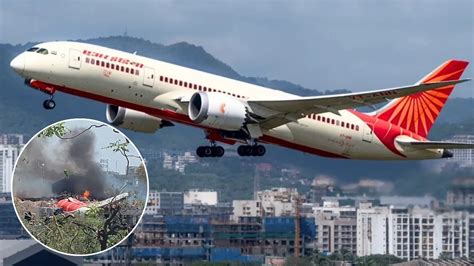
The revelation of falsified maintenance records comes in the shadow of the catastrophic Air India Boeing 787-8 Dreamliner crash on June 12, 2025, which killed 241 of 242 people on board. While the crash involved a different aircraft type and parent airline, the tragedy has become a turning point in India’s aviation safety narrative.
In the aftermath, India’s upper house of parliament proposed a full-spectrum safety audit of civil aviation operations. Airlines, air traffic control agencies, and airport operators have been asked to submit to the review, with particular focus on maintenance protocols, pilot training, and emergency response preparedness.
International Scrutiny Over Crash Investigation Integrity
The Dreamliner tragedy also triggered a wave of international concern over how India is managing the investigation. Regulators from the United States, United Kingdom, and France have reportedly expressed unease about a perceived lack of transparency in the probe.
Two anonymous sources revealed to Italy’s Corriere della Sera that the handling of the aircraft’s black boxes was a major point of contention. Rather than sending the recorders to expert labs in the US or France — as is customary — Indian authorities retained them domestically. Additionally, India rejected participation from ICAO observers, a move seen by aviation experts as a breach of international best practices.
These developments have cast a long shadow over India’s willingness to prioritize safety over reputation, especially given the political sensitivities surrounding national carriers.
The Role of Tata Group and Air India Express’s Identity Crisis
Air India Express, the low-cost subsidiary of Air India, was originally launched in 2005. After Tata Group regained ownership of Air India in 2022, expectations were high that the iconic Indian conglomerate would inject discipline, efficiency, and international best practices into the airline’s operations.
Air India Express now operates a fleet of 114 aircraft, which includes:
- 49 Boeing 737 MAX 8s
- 26 Boeing 737-800s
- 24 Airbus A320-200s
- 12 Airbus A320neos
- 3 Airbus A321neos
Furthermore, the airline is set to expand aggressively, with orders placed for 50 Boeing 737 MAX 10s and 91 more MAX 8s. The ambitious expansion, however, may be dangerously outpacing the airline’s internal capability to ensure regulatory compliance and maintenance integrity.

Culture of Compliance or Paper Trail Theater?
The Air India Express engine scandal raises uncomfortable questions about how widespread the culture of regulatory evasion might be. It’s not just about one aircraft or one maintenance lapse — it’s about whether India’s aviation system, as it grows rapidly, is keeping pace with international safety benchmarks.
If record falsification is proven, it will mark one of the most serious violations in Indian civil aviation in recent memory. It would not only expose passengers to danger but also jeopardize international trust in Indian airlines, potentially affecting code-share agreements, insurance premiums, and foreign investment in aviation infrastructure.
This case also serves as a wake-up call for the DGCA and Ministry of Civil Aviation, which must move beyond reactive reprimands and toward institutional reform. For Tata Group, it’s a moment to re-evaluate corporate governance practices across its airline ventures, and to demonstrate a zero-tolerance policy toward safety non-compliance.
A Test of India’s Aviation Future
India is poised to become one of the largest aviation markets in the world, with passenger numbers set to surge over the next two decades. However, growth without safety is a recipe for disaster.
This is not just a story of one falsified record or one neglected engine part. It’s a litmus test for whether India’s aviation ecosystem can evolve into a truly global-standard network, or if it will fall into the trap of cutting corners in pursuit of scale.
Unless robust changes are made — not just in response to incidents, but proactively — public confidence in Indian carriers will continue to erode. International partners and watchdogs are already watching closely. The next step is not merely audits or reviews. It’s the implementation of sweeping, transparent, and enforceable reforms.
The world is watching. And with lives at stake, the margin for error is now zero.