Lithium batteries power an ever-growing array of modern devices, from smartphones to electric vehicles. However, their transport, especially by air, comes with complex safety challenges. The International Air Transport Association (IATA) has responded to these challenges by creating the Center of Excellence for Independent Validators Lithium Batteries (CEIV Li-batt) certification program. This specialized certification sets a global benchmark for the safe handling and transportation of lithium batteries and is becoming a critical tool for ensuring compliance, mitigating risks, and fostering trust across the logistics chain.
The Growing Importance of Lithium Battery Safety
Lithium batteries represent nearly one-third of all dangerous goods shipped by air, a figure that highlights the immense role they play in global trade. As demand surges, the lithium-ion battery market is projected to skyrocket from $41.1 billion in 2021 to $116.6 billion by 2030, underscoring the urgency for stringent safety protocols. Yet, these high-energy devices pose serious hazards when mishandled. Thermal runaway, a phenomenon where batteries overheat uncontrollably, can lead to smoke emission, fires, or even explosions—risks that are especially critical in aviation environments.
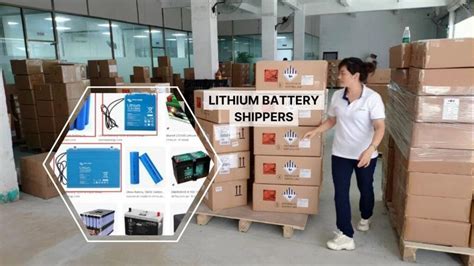
What is the IATA CEIV Li-batt Certification?
The CEIV Li-batt certification is a comprehensive program designed to ensure that all parties involved in the lithium battery supply chain—shippers, freight forwarders, airlines, and cargo handlers—meet the highest standards for safety and regulatory compliance. It focuses on the entire lifecycle of lithium battery transport, from packaging and documentation to loading and handling.
According to Yaniv Sorany, Principal of IATA Certification, CEIV Li-batt provides a powerful framework that integrates best practices for battery handling with international transport regulations. It verifies that certified entities are proficient in managing battery shipments safely and efficiently. In short, CEIV Li-batt assures shippers that their goods are being handled in compliance with global standards, reducing the risks associated with hazardous cargo.
Why Lithium Batteries Require Special Handling
Lithium batteries are classified as dangerous goods due to their energy density and flammability risks. If improperly packed, damaged, or exposed to certain conditions, they can become unstable. This risk profile has prompted aviation regulators to enforce strict requirements for their transport. CEIV Li-batt consolidates these requirements into a unified framework, ensuring consistency and safety across the board.
Key risks associated with lithium batteries include:
- Thermal Runaway: Rapid overheating that can lead to fire or explosion.
- Short-Circuiting: Poor packing or mishandling can cause battery terminals to connect, leading to dangerous discharges.
- Damage During Transport: Physical damage during loading or unloading can trigger chemical instability.
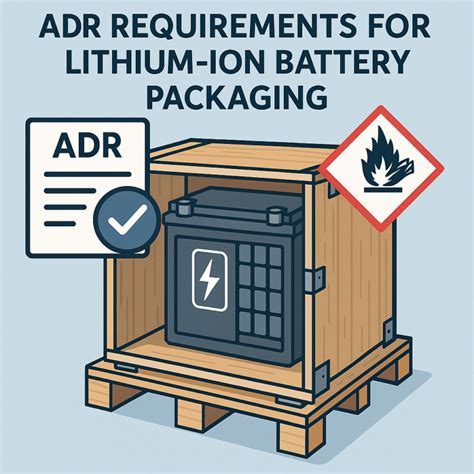
Core Components of CEIV Li-batt Certification
The certification process is holistic and involves rigorous validation by independent experts. It covers:
- Regulatory Compliance: Adherence to the IATA Lithium-Battery Shipping Regulations (LBSR) and Dangerous Goods Regulations (DGR).
- Training & Competency: Ensuring personnel across the supply chain are trained to identify, handle, and mitigate risks associated with lithium battery shipments.
- Standardized Procedures: Implementation of robust operational protocols for storage, packaging, labeling, and documentation.
- Continuous Improvement: Ongoing assessments to adapt to evolving safety standards and regulatory changes.
By adopting these measures, certified organizations significantly reduce operational risks while building credibility in the marketplace.
Industry Adoption and Early Success Stories
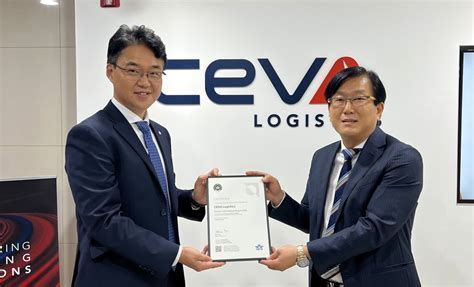
The CEIV Li-batt program has seen significant uptake since its introduction. In 2021, CEVA Logistics became the first logistics provider to achieve CEIV Li-batt certification for its operations at Hong Kong International Airport and Amsterdam Schiphol Airport after an extensive pilot program. This milestone demonstrated how logistics providers can leverage certification to enhance operational safety and market competitiveness.
As of today, 96 entities have obtained the certification, including 14 airlines and 11 ramp handlers, creating a growing network of compliant stakeholders.
How CEIV Li-batt Benefits Stakeholders
The program’s value extends across the entire supply chain:
- For Shippers: It guarantees that lithium battery shipments are handled according to international safety standards, reducing liability and reputational risks.
- For Airlines: It ensures consistent safety practices, lowering the chances of in-flight incidents.
- For Freight Forwarders and Cargo Handlers: It provides standardized procedures that streamline operations and enhance customer confidence.
- For Regulators: It fosters compliance and simplifies oversight by ensuring entities follow a globally recognized framework.
By fostering collaboration and trust, CEIV Li-batt elevates industry-wide awareness of the unique challenges posed by lithium batteries.
CEIV Li-batt in the Context of IATA’s Safety Initiatives
The CEIV Li-batt program is part of IATA’s broader effort to improve the safe transport of dangerous goods. Alongside certifications for perishable goods (CEIV Fresh), pharmaceuticals (CEIV Pharma), and live animals (CEIV Live Animals), CEIV Li-batt addresses a growing sector that is critical to modern commerce.
According to IATA, this may just be the beginning. As industry needs evolve, the association is exploring certifications that cover the full spectrum of dangerous goods transported by air, reinforcing its commitment to safety and efficiency.
The Regulatory Backbone: IATA DGR and LBSR
Two key regulatory frameworks underpin CEIV Li-batt:
- IATA Dangerous Goods Regulations (DGR): A globally recognized reference manual that integrates input from regulators and industry experts.
- Lithium-Battery Shipping Regulations (LBSR): A specialized set of guidelines focusing exclusively on lithium batteries, from manufacturing to documentation.
These frameworks serve as the foundation for the certification process, ensuring that every certified entity operates within internationally accepted guidelines.
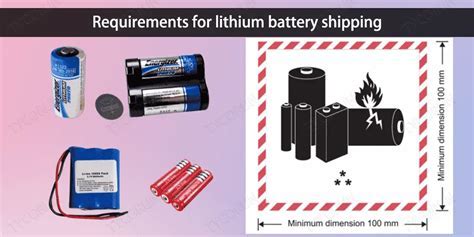
Challenges and the Road Ahead
While CEIV Li-batt sets a high standard, implementation can be challenging. Organizations must invest in training, infrastructure, and continuous audits to maintain certification. Yet, these challenges are outweighed by the benefits: enhanced safety, operational efficiency, and market differentiation.
As lithium batteries continue to dominate industries such as consumer electronics, electric vehicles, and renewable energy storage, air cargo stakeholders will face growing regulatory and operational scrutiny. CEIV Li-batt offers a proactive solution for staying ahead of these demands.
Conclusion: Why CEIV Li-batt Matters
The IATA CEIV Li-batt certification is more than a compliance badge; it is a comprehensive framework that addresses one of the most pressing challenges in air cargo today: the safe and efficient transport of lithium batteries. By adopting this certification, stakeholders not only protect their operations from risk but also contribute to a safer, more reliable global supply chain.
As air transport continues to evolve in a lithium-powered world, CEIV Li-batt will remain a cornerstone for ensuring safety, compliance, and trust in the handling of hazardous battery shipments.