Understanding UN 3481: Classification and Implications for Lithium-Ion Battery Transport
The code UN 3481 is far more than a string of numbers—it is a globally recognized United Nations identifier used to classify lithium-ion batteries contained in or packed with equipment during transportation. This designation plays a pivotal role in hazardous materials (hazmat) regulation, especially for air, sea, and ground freight systems. As lithium-ion technology expands across consumer electronics, electric vehicles, and industrial devices, UN 3481 ensures these energy-dense power sources are shipped safely and compliantly.
The evolution of lithium-ion battery transport regulation has been driven by safety concerns, following incidents involving thermal runaway, fires, and explosions during transit. These high-profile events pushed the International Air Transport Association (IATA), the International Civil Aviation Organization (ICAO), and the United Nations Sub-Committee of Experts on the Transport of Dangerous Goods to revise classifications and packaging standards.
What Does UN 3481 Specifically Refer To?
The UN 3481 classification is strictly applied to:
- Lithium-ion batteries contained in equipment (e.g., laptops, smartphones, drones)
- Lithium-ion batteries packed with equipment (e.g., power tools with spare battery)
This distinguishes UN 3481 from its related designation UN 3480, which refers solely to standalone lithium-ion batteries. The distinction is important because UN 3481 shipments generally pose a lower risk, allowing more flexible transport conditions than UN 3480, particularly for air transport.
The classification is regulated under the UN Model Regulations, and enforced through modal-specific rulebooks such as the IATA Dangerous Goods Regulations (DGR) and the International Maritime Dangerous Goods Code (IMDG).
Why UN 3481 Classification Matters in Modern Logistics
In an era of global e-commerce and high consumer demand for portable electronics, UN 3481 compliance is a linchpin in international shipping logistics. As these batteries carry a latent risk of thermal instability, logistics operators, customs agents, and freight handlers must rigorously apply packaging, labeling, and documentation requirements.
Key compliance points include:
- Packaging performance standards (e.g., UN-tested packaging, internal short-circuit protection)
- Special provisions such as PI 967 and PI 966 (Packing Instructions per IATA guidelines)
- State-of-charge restrictions (e.g., batteries must be ≤30% SOC for air cargo under PI 967)
- Proper shipping names and labels (e.g., “Lithium ion batteries contained in equipment”)
- Declaration of Dangerous Goods (DGD) for certain battery sizes or shipments
Technical Compliance: Packaging and Labeling for UN 3481
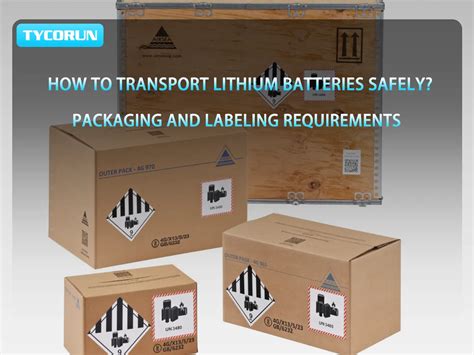
The packaging and labeling obligations for UN 3481 are exhaustive, often requiring multi-layered containment systems that reduce risks during rough handling or depressurization.
For air shipments, the IATA DGR outlines Packing Instructions PI 966 (packed with equipment) and PI 967 (contained in equipment):
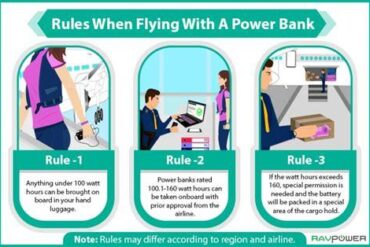
- Section I applies to high-capacity batteries (over 100 Wh or 2g lithium content)
- Section II applies to lower-risk batteries under specified limits
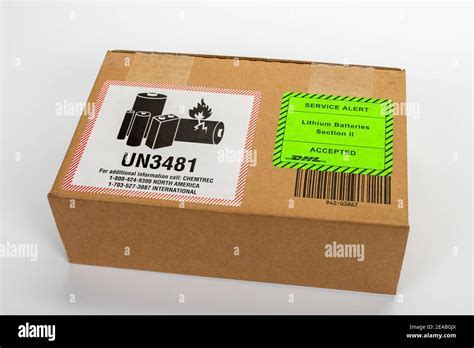
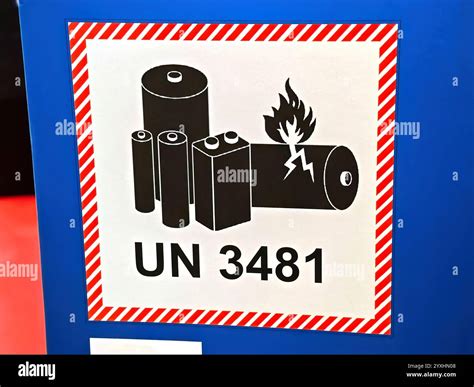
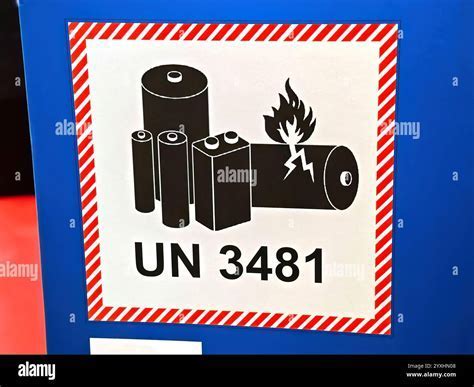
In Section II shipments, when sending only a few batteries or those integrated within devices, shippers may benefit from reduced documentation and labeling, but must still affix the lithium battery handling label, which shows a pictogram of a burning battery and includes a telephone number for emergency response.
Sea freight governed by the IMDG Code similarly requires:
- Strong outer packaging to prevent shifting
- Absorbent materials in case of leakage
- Markings including the UN number and proper shipping name
- Segregation from flammable goods or oxidizers
Risk Management and the Issue of Thermal Runaway
One of the central concerns leading to strict regulation under UN 3481 is thermal runaway. This refers to a chain reaction within a battery where increasing heat causes further degradation, gas buildup, or combustion.
Common triggers include:
- Internal short circuits due to manufacturing defects or external pressure
- Overcharging or rapid discharge cycles
- Puncture or mechanical damage during transit
By requiring batteries to be shipped at reduced charge levels and housed within shock-resistant packaging, UN 3481 protocols mitigate catastrophic failures. The classification also ensures that airlines and ocean liners apply precautionary measures such as fire containment bags, thermal insulation, and hazard training for staff.
Differences Between UN 3480 and UN 3481
While similar in chemical composition, UN 3480 and UN 3481 serve very different logistics and risk profiles. The table below illustrates their core distinctions:
| Feature | UN 3480 | UN 3481 |
|---|---|---|
| Battery Type | Standalone lithium-ion battery | Battery contained/packed with equipment |
| IATA Packing Instruction | PI 965 | PI 966 / PI 967 |
| Transport Risk Level | Higher (more batteries per unit) | Lower (limited battery count) |
| Air Transport Restrictions | Stricter | More lenient (esp. Section II) |
| Declaration Requirement | Often mandatory | Sometimes exempt (Section II) |
Understanding the difference ensures that shippers apply the correct regulatory framework and avoid penalties or shipment delays.
Global Adoption of UN 3481 Standards
UN 3481 is part of a globally harmonized system. Its rules are adopted by regulatory agencies including:
- The United States Department of Transportation (DOT) via 49 CFR
- The European Agreement concerning the International Carriage of Dangerous Goods by Road (ADR)
- The International Civil Aviation Organization (ICAO) for air travel
- Transport Canada for North American routes
This ensures a uniform safety protocol, particularly for multi-modal freight that shifts between land, sea, and air. Compliance with UN 3481 is not just a regulatory box-ticking exercise—it is a critical function of responsible, sustainable logistics.
E-commerce and Small Parcel Compliance Challenges
The explosion of e-commerce has led to millions of small parcels containing UN 3481-classified goods entering postal systems. Many couriers such as DHL, FedEx, and UPS apply internal policies that exceed basic UN standards.
Frequent issues include:
- Improper labeling or lack of documentation
- Sending power banks or laptops without protective cases
- Violations of air cargo rules by untrained sellers
To address this, marketplaces like Amazon and Alibaba enforce product compliance certification and require vendors to submit proof of battery test results (UN38.3), MSDS sheets, and IATA labels.
Future Outlook: Enhanced Safety, AI Inspection, and Smart Packaging
Looking forward, UN 3481 protocols will evolve to address increasingly complex battery architectures and smarter logistics networks. Key developments include:
- AI-powered cargo scanning to detect undeclared batteries
- Smart packaging embedded with sensors for temperature, impact, and charge state
- Improved recycling and reuse tracking systems for spent lithium cells
We anticipate that digital chain-of-custody tools, blockchain certification, and real-time battery condition monitoring will enhance safety and operational visibility, especially as next-gen lithium-metal batteries enter the market.
Conclusion
The classification UN 3481 sits at the heart of global battery safety and logistics. It governs how billions of lithium-ion batteries powering devices from consumer electronics to medical tools are shipped across continents. By understanding its technical underpinnings, regulatory frameworks, and practical applications, we enable a safer, more efficient transport network for hazardous materials.
For stakeholders across the value chain—from manufacturers and distributors to freight forwarders and end-users—strict adherence to UN 3481 protocols is both a legal and ethical imperative.
FAQ
What is the difference between UN 3480 and UN 3481?
UN 3480 refers to standalone lithium-ion batteries, while UN 3481 covers lithium-ion batteries either contained in equipment or packed with it. UN 3481 shipments are often considered lower risk and enjoy fewer transport restrictions.
Can I ship a laptop with a lithium battery via air under UN 3481?
Yes, if the battery is installed inside the laptop, it qualifies under UN 3481 PI 967. For small quantities, Section II allows for reduced paperwork and fewer hazard labels, provided proper packaging and labeling requirements are met.
Do I need special training to ship goods under UN 3481?
Yes. Personnel handling or preparing shipments must undergo dangerous goods training compliant with IATA, IMDG, or local transport laws. Training ensures proper identification, packaging, marking, and emergency response procedures are followed.