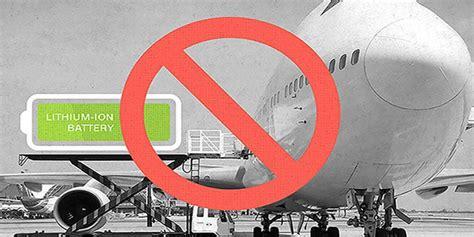
When traveling for professional work—particularly in media, sound, drone, or production environments—transporting lithium-ion batteries by air can quickly become a logistical challenge. While the common perception is that these batteries are banned from flights, the truth is more nuanced. Understanding international guidelines, airline-specific rules, and practical preparation steps is essential for safe and legal air travel with lithium batteries.
Lithium Battery Regulations: What the Authorities Actually Say
Most confusion stems from the strict guidelines issued by regulatory bodies like the Federal Aviation Administration (FAA), Transportation Security Administration (TSA), and International Air Transport Association (IATA). These organizations agree on a few foundational rules:
- Lithium-ion batteries rated under 100Wh are allowed in carry-on baggage with no explicit limit on quantity (though practical limits and airline discretion apply).
- Batteries rated between 101Wh and 160Wh may be allowed in carry-on baggage, but only with airline approval. The maximum allowed is two per person.
- Lithium batteries are not allowed in checked baggage under any circumstances due to fire risk.
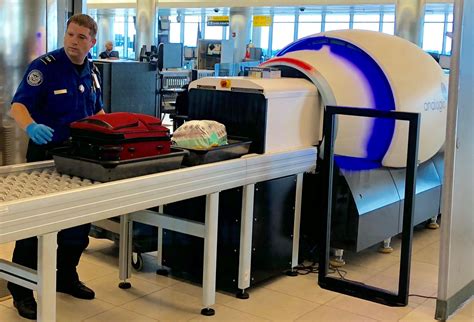
The reason behind these restrictions lies in safety. A lithium battery fire in the cabin can be managed with fire extinguishers and crew intervention. But in the cargo hold, a fire would go undetected and become catastrophic.
Carry-On Only: Why Checked Bags Are Off Limits
Lithium batteries are classified as Class 9 Dangerous Goods due to their volatility, especially under pressure or heat. In a checked bag, there’s no way to address a thermal runaway event—a condition where internal temperature increases and triggers combustion. Cabin storage ensures that if a battery malfunctions, flight crew and fire containment systems are on hand to neutralize the situation.
For this reason, travelers must carry lithium batteries in their cabin baggage only. Even lithium-powered equipment like cameras, audio gear, or drones must have their spare batteries removed and stored in compliant cases.
Understanding Battery Ratings: Wh vs. mAh Confusion
One of the most common mistakes travelers make is misunderstanding battery capacity labeling. Airlines and regulations reference Watt-hours (Wh), but many batteries—especially consumer models—are labeled in milliamp-hours (mAh). To convert:
Wh = (mAh × Voltage) / 1000
For example, a 12V battery with a 12,000mAh rating equals 144Wh, and requires special airline approval.
To avoid confusion at checkpoints, it’s advisable to label all batteries clearly with their Wh rating. Many traveling professionals use custom stickers to display this value visibly. This proactive step minimizes misunderstandings with TSA officers or airline reps.
What the Airlines Don’t Always Advertise
While organizations like the FAA and TSA provide standard guidance, airlines have final discretion. Discount carriers such as Frontier Airlines are notoriously strict, rejecting any lithium battery over 100Wh outright—even though technically, 101–160Wh batteries are allowed with approval.
In contrast, major carriers like United and American Airlines generally follow IATA guidelines and permit two 101–160Wh batteries per person in carry-on, with prior approval. This difference matters especially when productions are booked on budget airlines where the lowest fare doesn’t guarantee flexibility.
Travelers have reported success with carriers like United, citing smooth transport of 144Wh batteries as long as they had supporting documentation. However, others have shared stories of losing hundreds of dollars’ worth of batteries due to blanket bans by uninformed or rigid staff.
Real-World Travel Experiences: Lessons from the Field
Numerous working professionals share consistent advice on traveling with lithium batteries:
- 98Wh NP1 batteries are widely used and accepted on almost all airlines globally.
- 150Wh batteries, such as Smart Batteries used in field production, fall into a grey area and require explicit approval.
- When flying through regions like Asia or Europe, airlines may impose a cap on the number of batteries, often allowing no more than 10—even if each is below 100Wh.
- Travelers with equipment like drones, audio gear, or HAM radios must account for multiple battery types and quantities.
These lessons point to a universal rule: never assume, and always confirm policies directly with the airline in writing before flying.
Traveling with Large Capacity Batteries: Practical Tips
Professionals who frequently travel with lithium power sources rely on a set of best practices to reduce the risk of delays, confiscations, or denied boarding:
- Store batteries in a fire-resistant LiPo safety bag.
- Use electrical tape to cover battery terminals to prevent accidental short circuits.
- Separate batteries by type and pack them in accessible carry-on compartments.
- Label all batteries with clear Wh ratings.
- Keep printed airline documentation on hand showing compliance.
- Place batteries in a separate bin during X-ray screening to facilitate inspection.

These steps also help when encountering TSA agents unfamiliar with nuanced regulations, or when facing international checkpoints with varying enforcement levels.
The Importance of Pre-Travel Communication with Airlines
The most consistent point across all traveler stories is the value of proactive communication. Even when carrying batteries well under 100Wh, some airlines might enforce stricter internal policies. Contacting them in advance helps travelers:
- Secure written approval for 101–160Wh batteries.
- Understand limitations on battery quantities.
- Confirm if equipment powered by lithium batteries is allowed as carry-on.
- Avoid last-minute surprises at the gate or security checkpoint.
Having an email printout or screenshot from the airline showing permission can make the difference between a smooth boarding experience and a denied flight.
When Airlines Get It Wrong: Navigating Policy Discrepancies
Despite clear FAA and IATA rules, airline ground staff can be misinformed or err on the side of caution. One traveler recounted successfully flying with 144Wh LiFePO4 batteries with United, only to have the same batteries denied on Frontier Airlines on a different trip.
The discrepancy is frustrating but not rare. In many cases, airlines don’t provide staff with specific training on lithium battery allowances, leading to conservative interpretations of policy. Travelers should be prepared with:
- Battery specs printed from manufacturer websites.
- Airline-specific hazardous materials policy pages.
- Photos or logos on batteries indicating airworthiness.
Equipment-Specific Concerns: Drones, Audio Rigs, and Radio Transceivers
Certain industries require specialized lithium-powered gear:
- Drone pilots often carry high-output LiPo batteries, which are extremely sensitive to heat and pressure. Taping terminals and storing in LiPo bags is mandatory.
- Sound professionals use Audioroot or Smart Batteries, many of which fall under the 100Wh threshold but must be packed safely.
- Radio operators with transceivers like the Yaesu FT-891 often travel with 144Wh or larger batteries for field use. While legal on paper, they may be denied boarding by underinformed staff.
In these cases, having documentation, knowledge of battery specs, and even a backup power plan becomes essential.

Conclusion: You Can Fly with Lithium Batteries — If You Plan Precisely
Yes, you can fly to jobs with lithium batteries—but only if you understand the rules, respect airline discretion, and prepare carefully. The key lies in knowing the Wh rating of each battery, carrying proper documentation, and following strict packing procedures.
Most batteries under 100Wh are allowed with minimal scrutiny. Batteries between 101Wh and 160Wh require explicit approval, and above that are almost universally banned. Furthermore, checked luggage is never an option for any lithium battery.
By treating these power sources as the sensitive and regulated items they are, professionals can ensure their gear—and their travel plans—remain intact.
FAQs
Can I fly with lithium batteries in checked luggage?
No. Lithium batteries are strictly prohibited in checked baggage due to fire risk. Always carry them in your hand luggage.
How many lithium batteries can I bring on a plane?
Unlimited under 100Wh, but airlines may cap the number. You can bring up to two batteries rated between 101Wh–160Wh with airline approval.
What happens if my battery doesn’t have a Wh label?
You may be stopped at security. Convert from mAh to Wh and clearly label all batteries in advance to prevent issues.
Do all airlines follow the same rules for lithium batteries?
No. While FAA and IATA offer guidance, individual airlines may impose stricter rules. Always verify with the airline.
Is a LiPo battery safer if it’s inside a fireproof bag?
Yes. A LiPo-safe bag is essential for air travel and minimizes fire risk. Some airlines require or recommend it for all spare lithium batteries.