If you’re pursuing a career in the airline industry, the United States offers a wide array of companies that provide not only job stability and growth opportunities but also the allure of travel and international exposure. From global giants to fast-growing budget carriers, each airline brings a distinct company culture, operational philosophy, and employment potential. Whether you’re seeking a position as a pilot, cabin crew, ground operations staff, or corporate professional, these 13 major airline companies in the USA should be at the top of your list.
Delta Air Lines: A Global Leader in Aviation Employment
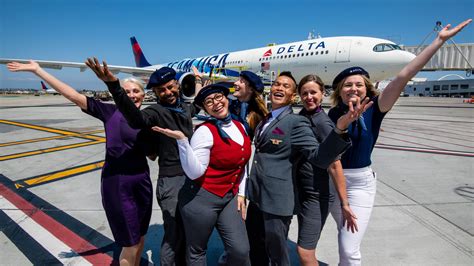
Delta Air Lines, headquartered in Atlanta, Georgia, is one of the world’s largest and most reputable airlines. With over 10,000 employees, Delta has consistently ranked high for operational reliability, passenger satisfaction, and career growth. Employees benefit from competitive pay, comprehensive benefits, travel perks, and a well-established corporate training program.
Founded in 1928, Delta is a founding member of the SkyTeam Alliance, allowing job seekers to benefit from international exposure across partner carriers such as Air France and Virgin Atlantic. Roles at Delta range from flight operations and engineering to digital tech and inflight services.

American Airlines: A Legacy Carrier with Expansive Reach
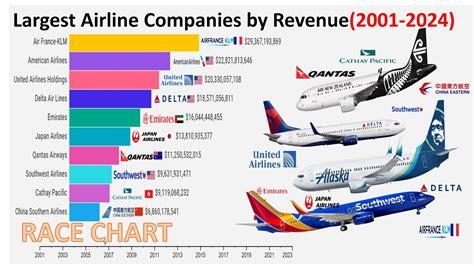
With roots dating back to 1926, American Airlines is the largest airline in terms of fleet size and the number of employees. Headquartered in Fort Worth (not Denver, as often misattributed), it employs tens of thousands across its extensive network that spans over 350 destinations in 60 countries.
As a founding member of the Oneworld Alliance, American Airlines offers diverse opportunities for both domestic and international careers. The airline emphasizes leadership development and provides career tracks in aviation management, aircraft maintenance, flight crew, and customer service.
United Airlines: Innovation and Inclusion in the Skies
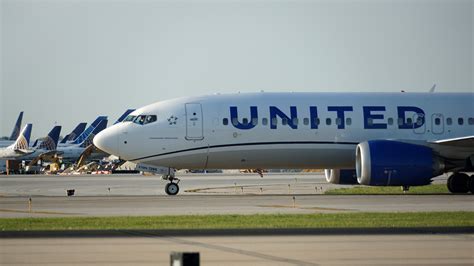
Based in Chicago, United Airlines operates one of the most comprehensive route networks in the world. The airline serves over 210 domestic and 120 international destinations, making it an ideal employer for individuals seeking global mobility. United is part of the Star Alliance, giving employees the chance to work with a global network of aviation partners.
Job seekers at United Airlines often praise its diversity and inclusion programs, sustainability initiatives, and comprehensive training academies. United Express, its regional brand, also provides entry-level flight and maintenance opportunities.
JetBlue Airways: Low-Cost Carrier with Premium Culture
Founded in 2000, JetBlue is a New York-based carrier known for its customer-first service and modern fleet. Despite being a low-cost airline, JetBlue has carved a niche by offering premium economy seating, inflight Wi-Fi, and strong customer loyalty programs.
JetBlue’s collaboration with American Airlines under the Northeast Alliance has expanded job opportunities and route networks. Employees enjoy a relaxed company culture, flexible work environments, and access to internal growth programs like JetBlue Scholars.

Southwest Airlines: Culture-Driven and Operationally Efficient
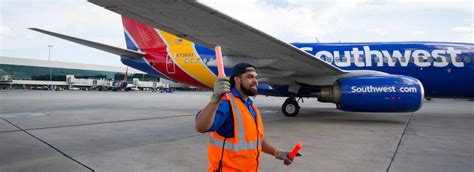
Headquartered in Dallas, Southwest Airlines is a low-cost carrier with the largest number of domestic passenger flights in the United States. The airline is renowned for its employee-first culture, having received repeated recognition as a great place to work.
Southwest’s unique point-to-point network and exclusive use of Boeing 737 aircraft create operational consistency, making training and cross-utilization of staff more efficient. The company emphasizes open communication, internal promotions, and community involvement.
Alaska Airlines: Regional Excellence with International Growth
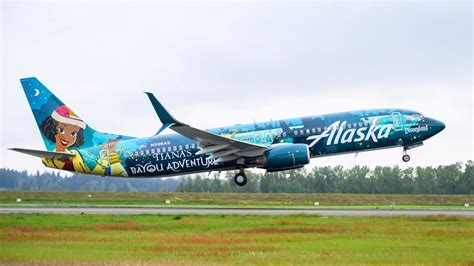
Alaska Airlines, based in SeaTac, Washington, began operations in 1932 and has grown to serve 110+ destinations across North America, Costa Rica, and Belize. As a member of the Oneworld Alliance, Alaska is becoming increasingly international in its reach.
The airline is notable for its strong record of customer satisfaction and sustainability initiatives. It places heavy emphasis on employee development, with numerous technical, safety, and leadership training tracks available.
Allegiant Travel Company: Budget Carrier with a Holistic Travel Approach
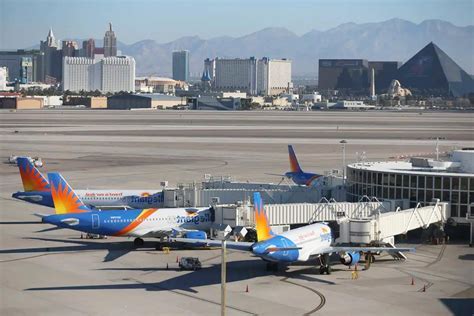
Founded in 1997 and headquartered in Las Vegas, Allegiant Air is unique in that it combines flight services with vacation packages, car rentals, and hotel bookings. It primarily serves small to mid-sized cities across the United States.
Allegiant offers less frequent flights, which allows for more flexible schedules, ideal for individuals balancing other commitments. It employs a smaller workforce compared to the Big Four, fostering a more intimate work culture.
Spirit Airlines: Ultra-Low-Cost Carrier with Rapid Expansion
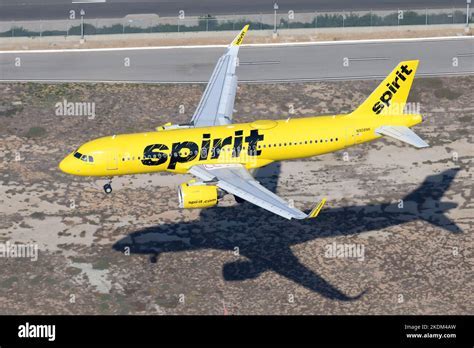
Spirit Airlines, based in Miramar, Florida, operates under an unbundled pricing model, allowing passengers to pay only for what they need. As one of the fastest-growing airlines in North America, Spirit provides abundant opportunities for advancement.
Founded in 1980, the airline operates routes to the Caribbean, Latin America, and major U.S. cities. Spirit is ideal for ambitious professionals looking for growth in a rapidly scaling organization.
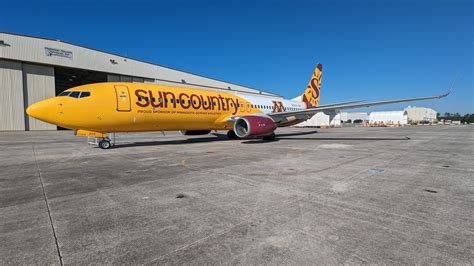
Sun Country Airlines: Cargo and Passenger Hybrid
Headquartered in Minneapolis, Sun Country Airlines is a hybrid carrier operating both passenger and cargo services. With a fleet of Boeing 737 Next Gen aircraft, the airline focuses on vacation destinations in Central America, Mexico, and the Caribbean.
Founded in 1982, Sun Country is particularly attractive for candidates interested in dual-mode aviation careers, such as logistics, cargo loading, and seasonal route planning.
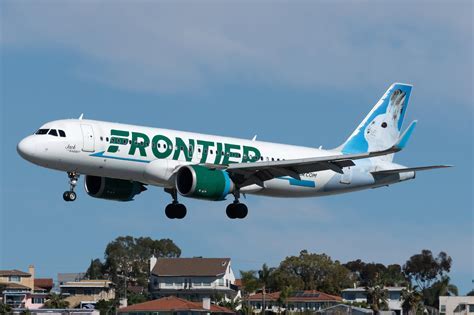
Frontier Airlines: Environmentally Conscious Ultra-Budget Airline
Founded in 1994 and headquartered in Denver, Frontier Airlines offers ultra-low-cost travel across 100+ U.S. destinations and 30+ international cities. The carrier’s exclusive use of Airbus A320 family aircraft helps streamline operations.
Frontier markets itself on eco-efficiency, with newer, lighter aircraft and fuel-saving innovations. For job seekers interested in sustainability and aviation, Frontier offers a unique environment.
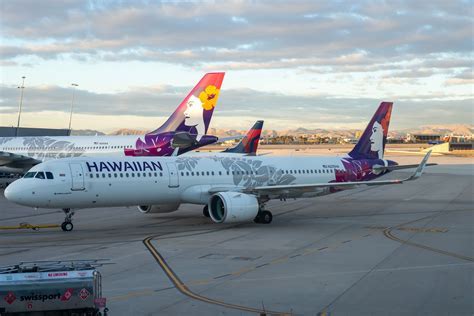
Hawaiian Airlines: A Tropical Gateway with Safety Excellence
Hawaiian Airlines is the oldest U.S. commercial airline, founded in 1929 and based in Honolulu. It operates across Asia, Oceania, and the U.S. mainland, with a perfect safety record—no fatal crashes in its entire history.
It is widely recognized for its on-time performance, low cancellation rates, and friendly in-flight service. The airline attracts professionals seeking high service standards and stable employment.
Avelo Airlines: Small but Growing Player in Domestic Aviation
Avelo Airlines, founded in 1987 but newly launched under its current brand, is based in Houston and operates domestic low-cost flights in California, Florida, Utah, and more. It uses Boeing 737 aircraft and serves underserved secondary airports.
Avelo is ideal for entry-level aviation professionals due to its lean structure, hands-on work environment, and flexible scheduling. It also promotes a low-fee model, offering no-frills travel.
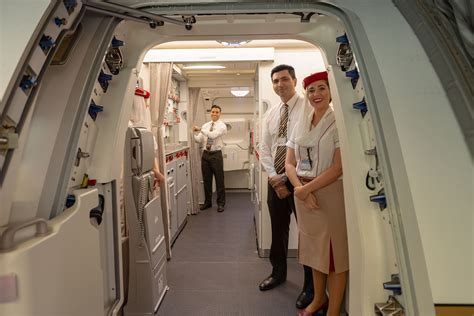
SkyWest Airlines: Regional Powerhouse Operating for the Majors
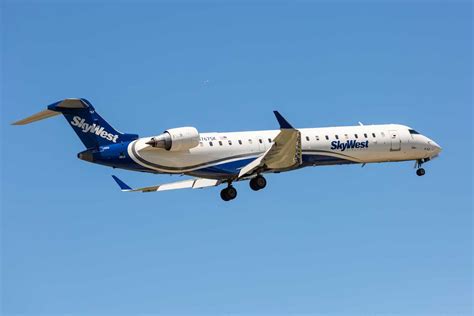
SkyWest Airlines is the largest regional carrier in North America. Based in St. George, Utah, it operates more than 2,400 daily flights in partnership with major airlines like Delta, American, United, and Alaska.
Founded in 1972, SkyWest is a preferred employer for pilots and flight attendants looking to accrue hours and experience. The company’s code-sharing model ensures employees receive training aligned with the operational standards of its larger partners.
Conclusion: Choosing the Right Airline Employer in the U.S.
Each of these 13 U.S. airline companies offers unique advantages for prospective employees. Whether you’re drawn to the structured career ladders of legacy carriers like American or Delta, or prefer the agility and fast-paced growth of low-cost airlines like Spirit or Frontier, there’s a suitable niche in the aviation sector.
In evaluating these opportunities, consider key factors such as company culture, route networks, fleet type, and professional development programs. For those looking to break into aviation or transition within it, the U.S. airline job market remains rich with possibility and diversity.