Flying at 35,000 feet comes with trade-offs. Legroom is scarce, humidity is low, and the water you use—and potentially consume—may be far more disgusting than you ever imagined. A recent deep-dive study into airplane water tank contamination reveals a staggering truth: cleanliness standards are anything but universal across airlines, and the results may prompt passengers to reconsider every sip, rinse, and wash during a flight.
A Chilling Revelation: What the Study Uncovered
The Center for Food as Medicine and Longevity conducted an extensive three-year investigation spanning from October 2022 to September 2025. This was not a surface-level inquiry. Over 35,000 water samples were taken across major U.S. airlines, testing for microbial contaminants, flushing frequency, and public safety notices.
Each airline received a Water Safety Score ranging from 0.00 to 5.00, based on five rigorously weighted metrics: aircraft violations, presence of E. coli, indicator-positive results, public notices issued, and tank sanitization practices. A score above 3.5 signified relatively safe water, earning an ‘A’ or ‘B’ grade.
The results? Startling. While some airlines appear to take passenger health seriously, others have plumbing systems that border on microbiological minefields.
Airline Rankings: From Clean to Contaminated
At the top of the list stood Delta Air Lines, with a perfect score of 5.00. Frontier followed closely at 4.80. These carriers maintained high standards in tank sanitation and contaminant control. However, the bottom of the list was troubling:
- American Airlines received a shocking 1.75 (Grade D)
- JetBlue scored slightly higher at 1.80 (Grade D)
- Spirit Airlines landed at 2.05 (Grade D)
Such low scores are a red flag. Water drawn from these airlines’ tanks may contain E. coli or other harmful microbes, posing health risks even in indirect contact like hand washing.
Regulatory Oversight—or Lack Thereof
Many passengers are unaware that the Environmental Protection Agency (EPA) has had a regulation in place since 2009: the Aircraft Drinking Water Rule (ADWR). Despite its name, this rule applies not just to drinking water but also governs water used for coffee, tea, and lavatory sinks.
Unfortunately, enforcement appears alarmingly lax. The EPA rarely issues penalties even for repeat violations, creating a regulatory gray area where airlines can skirt rigorous sanitation without consequence. The recent study slammed the EPA for its hands-off approach, suggesting that the vast discrepancies in airline water quality stem partly from regulatory neglect.
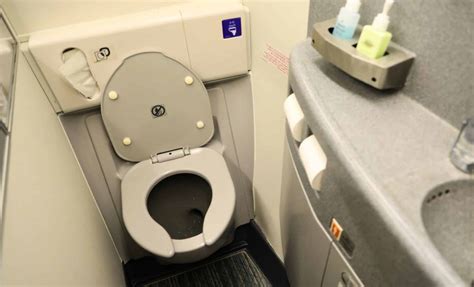
What’s in the Tank? Contaminants and Conditions
Aircraft water tanks are filled at various airports, often via hoses that connect to ground-based water sources. While some ground operations use filtered, treated water, others draw from local municipal systems with variable quality standards. Add to this the aging infrastructure on certain aircraft, and the recipe becomes more hazardous.
Water can sit stagnant for days—sometimes weeks—between flushes. Contaminants like biofilm, mold spores, and coliform bacteria can thrive in such conditions. Without consistent disinfection and flushing routines, tank water turns into a biological time bomb.
The most common concerns include:
- E. coli presence indicating fecal contamination
- Indicator bacteria such as coliforms that suggest unsafe water
- Sludge build-up and corrosion inside tanks
Expert Recommendations: What Passengers Should Avoid
The study offers strong warnings to protect oneself from potential health risks:
- Do not drink any water unless it’s from a sealed bottle
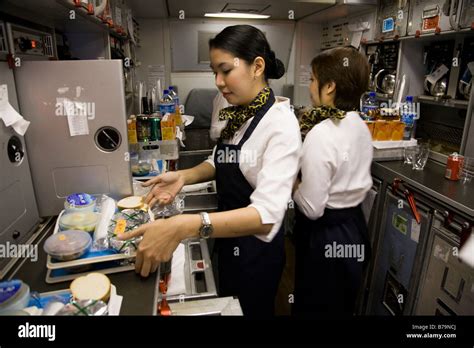
- Avoid coffee and tea, as they are typically made using tank water
- Do not wash your hands in the lavatory—instead, use an alcohol-based sanitizer (minimum 60% alcohol)
While this may sound extreme, especially for frequent travelers, the evidence suggests that even basic hygiene practices aboard some aircraft may expose passengers to unwanted pathogens.
The Illusion of Hot Water Safety
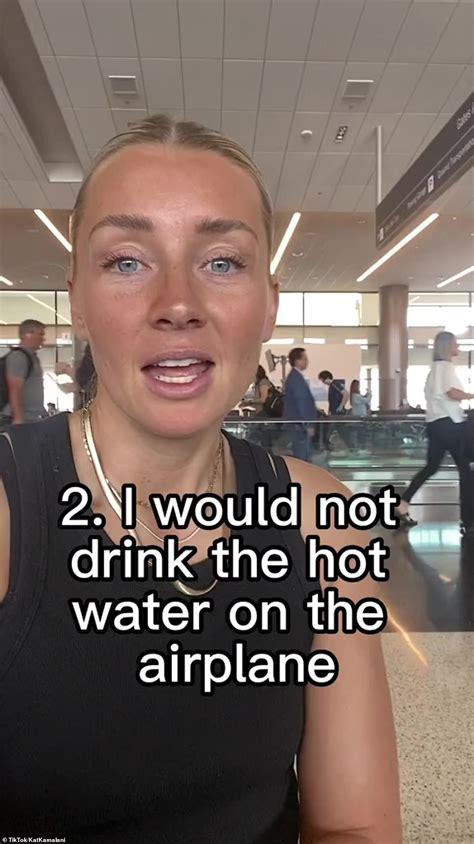
A common belief is that boiling water for coffee or tea kills bacteria. While heat does offer some protection, the brewing temperatures on airplanes are often below boiling due to cabin pressure. This means bacteria and other microbes may survive the process, particularly if the coffee makers are not regularly cleaned.
Additionally, scale build-up and old piping can harbor residues that defeat the purpose of heat sanitation. Airline galley equipment, often neglected during regular cleanings, may actually be reservoirs of contamination.
Psychological Impact: Would We Rather Not Know?
While these findings are grounded in science, many passengers will likely brush them off as theoretical. After all, billions of passengers fly annually, and reports of illness from airplane coffee or handwashing remain anecdotal. Yet this doesn’t negate the potential health risks.
The study presents a classic dilemma: is blissful ignorance safer than informed vigilance? For those who regularly fly airlines with poor water safety scores—like American or JetBlue—this information might feel like an unwelcome burden. However, understanding these risks empowers travelers to make more hygienic, proactive decisions in-flight.
Public Health vs. Practical Reality
The broader concern raised by the study is infrastructure inequality and accountability. Airlines like Delta and Frontier have demonstrated that safe water practices are achievable, which makes the failures of other airlines all the more inexcusable.
If anything, the research calls attention to:
- Lack of transparency from airlines about onboard water practices
- Minimal EPA enforcement, creating a culture of non-compliance
- Passenger vulnerability, especially on long-haul or international flights
Until regulations tighten and compliance is actively monitored, the burden of safety lies with the passenger’s vigilance.
Final Thoughts: A Wake-Up Call Above the Clouds
The question isn’t just “how disgusting is the water in airplane tanks?”—it’s also “why are we okay with not knowing?” While the study’s data doesn’t suggest an immediate health crisis, it does highlight a systemic problem in how water is handled and regulated in the airline industry.
As consumers, we often trust that the systems in place protect us. But when basic elements like water—used in everything from coffee brewing to hand hygiene—are compromised, it forces a reevaluation of that trust.
Our advice? Until further change occurs, stick to sealed bottles, skip the in-flight coffee, and bring your own sanitizer. Because once you know what’s in those tanks, it’s hard to un-know it.