Water landing aircraft, known commonly as seaplanes or amphibious aircraft, hold a unique and fascinating place in aviation history and continue to captivate the imagination of enthusiasts and travelers alike. From their critical roles in early aviation to their present-day use for luxury travel and remote access, these marvels of engineering exemplify versatility and innovation.
The Origins and Historical Importance of Water Landing Aircraft
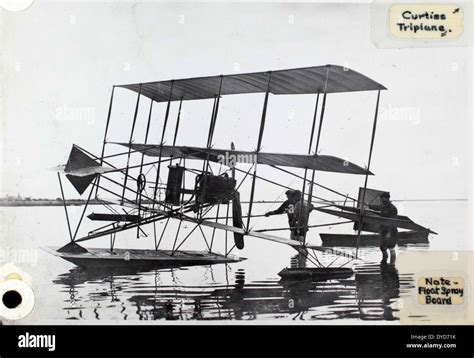
The very first seaplane was built by Glenn H. Curtiss between 1911 and 1912 in the United States, setting the stage for an era where long-distance flights over uncharted territories became feasible. In the early 20th century, water landing aircraft were not just a novelty but a necessity, especially when runways were scarce and distances long. Aviation pioneers like Francesco de Pinedo championed the potential of seaplanes, demonstrating their capability in performing arduous, transcontinental journeys that proved vital for both military strategy and commercial aviation.
During both World Wars, seaplanes were instrumental for reconnaissance missions, search and rescue operations, and transporting troops across regions devoid of airstrips. However, the post-1945 development of land-based aircraft with improved range and durability gradually reduced the necessity for water-based landings.
Modern-Day Applications of Water Landing Aircraft
Today, seaplanes are largely associated with luxury travel, recreational flying, and access to remote areas. In idyllic locations like the Maldives, they serve as an essential link between major international airports and distant, picturesque islands. Water landing aircraft allow for unparalleled access to otherwise unreachable destinations, offering passengers not just transportation but an immersive aerial experience.
Top Contemporary Water Landing Aircraft Models
When discussing current seaplanes favored for private and leisure use, several standout models illustrate the diversity and sophistication of today’s options.
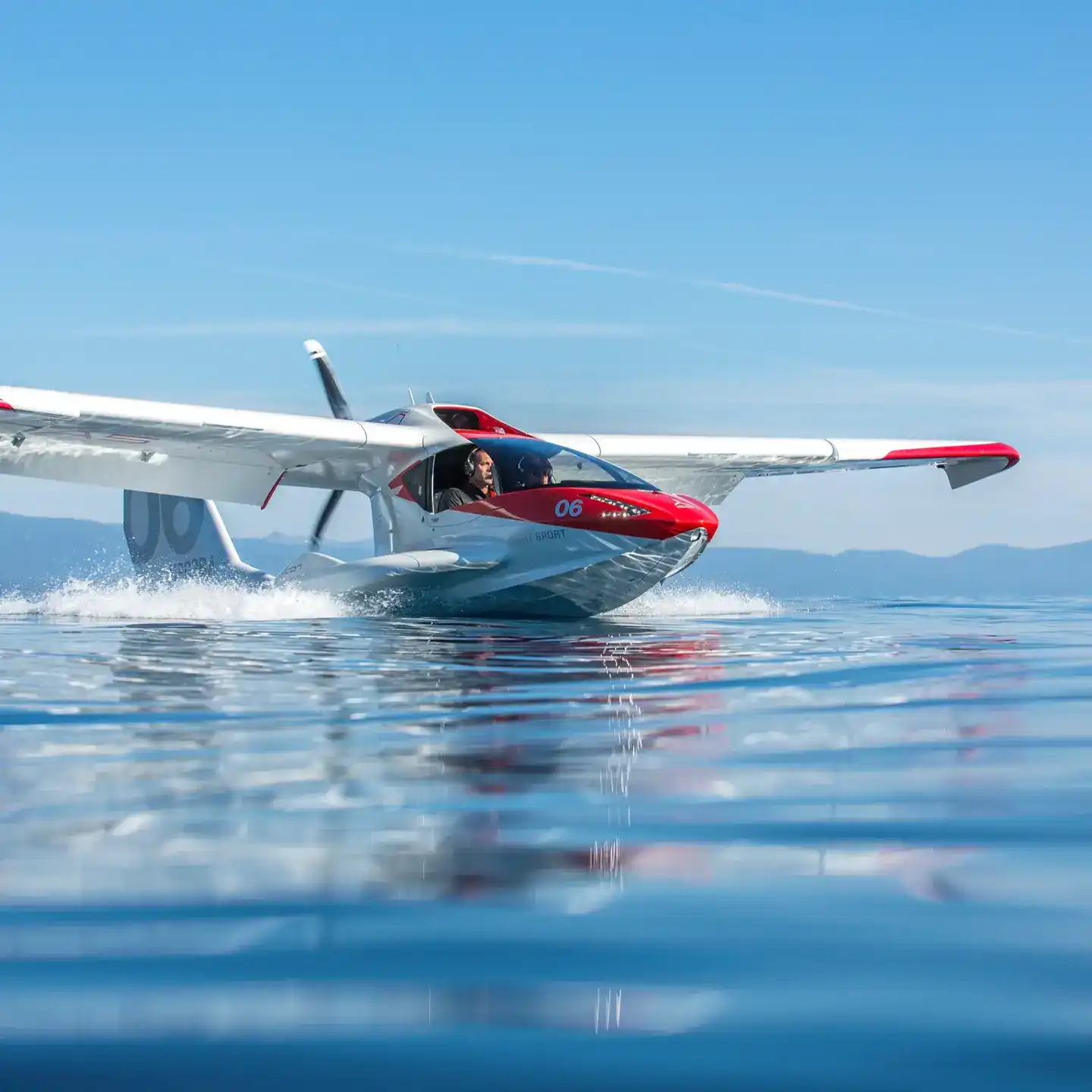
ICON A5: Redefining Recreational Aviation
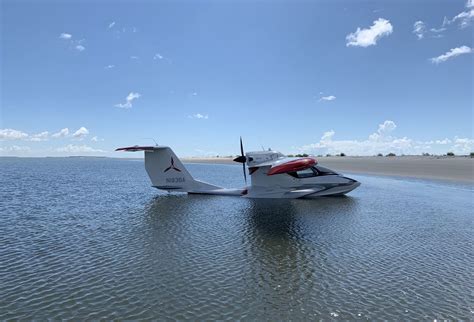
The ICON A5 is a testament to modern design marrying function with sheer thrill. Designed for a two-passenger experience, this sleek light-sport aircraft offers:
- Price: Starting at $359,000
- Range: 427 NM (790 km)
- Speed: 105 kt (194 km/h)
- Maximum Takeoff Weight (MTW): 1,430 lbs (694 kg)
- Dimensions: Height: 8 ft 1 in (2.5 m), Wingspan: 34 ft 8 in (10.6 m)
Its appeal is not only in its performance but also in its luxurious features like the Garmin Aera 796 touchscreen GPS, Trig VHF communication radio, and optional Garmin G3X Touch integrated flight deck.
Carbon Cub EX: Lightweight Excellence for Intimate Adventures
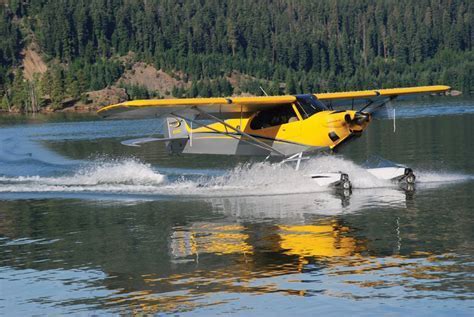
The Carbon Cub EX keeps the spirit of aviation personal with its 1-2 passenger capacity and carbon-fiber-enhanced lightweight design. Developed from the Carbon Cub SS, it features:
- Price: Approximately $145,500
- Range: 390 NM (722 km)
- Speed: 99 kt (185 km/h)
- MTW: 1,865 lbs (845 kg)
- Dimensions: Height: 9 ft 2 in (2.8 m), Wingspan: 34 ft 2 in (10.4 m)
The integration of amphibious floats and an oleo shock system ensures smooth transitions between water and land, making the Carbon Cub EX a favorite among backcountry pilots.
Progressive Aerodyne SeaRey: Versatility and Innovation
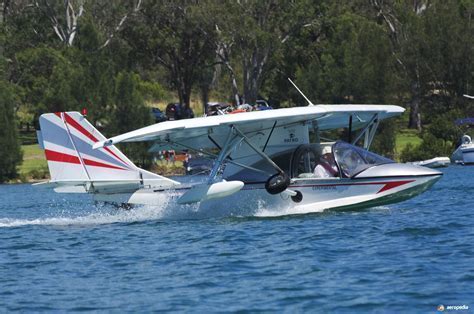
For those seeking diversity, the Progressive Aerodyne SeaRey offers two compelling variants: the Adventure and the Elite. Each model brings robust features suited for both novice and experienced pilots:
- Pricing: $149,000 (Adventure) / $184,000 (Elite)
- Range: Up to 379 NM (701 km)
- Speed: Up to 97 kt (181 km/h)
- Weight: 1,505 lbs (682 kg)
- Dimensions: Height: 6 ft 4 in (1.9 m), Wingspan: 30 ft 8 in (9.3 m)
Built with electric bilge pumps, sliding canopies, and electric landing gear, the SeaRey caters to pilots demanding a robust yet flexible flying experience.
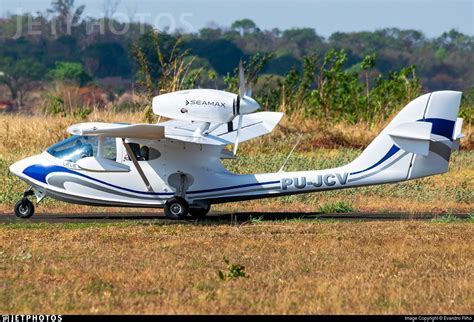
SeaMax M-22: Engineering Excellence with Global Reach
The SeaMax M-22, developed in Brazil, epitomizes the leap towards international production excellence. The SM-22 model, which began production in 2001, comes with a variety of packages to suit different flying needs:
- Starting Price: $170,450
- Range: 630 NM (1,166 km)
- Speed: 113 kt (209 km/h)
- MTW: 1,320 lbs (598 kg)
- Dimensions: Height: 6 ft 2 in (1.8 m), Wingspan: 33 ft 5 in (10.2 m)
Folding wings, lightweight composite materials, and the option for IFR flight packages make the SeaMax an excellent choice for both recreational and more demanding flight missions.
Scoda Aeronautica Super Petrel LS: Innovation from Brazil
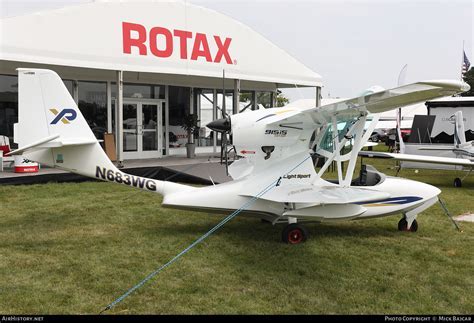
Another gem from Brazil, the Super Petrel LS manufactured by Scoda Aeronautica, brings a vintage biplane look with cutting-edge technology. Manufactured since 2001, it boasts:
- Starting Price: $195,000
- Range: 600 NM (1,111 km)
- Speed: 100 kt (185 km/h)
- MTW: 1,430 lbs (648 kg)
- Dimensions: Height: 8 ft 3 in (2.5 m), Wingspan: 29 ft 2 in (8.9 m)
Equipped with either a Rotax 912iS or an optional Rotax 914UL Turbo engine, the Super Petrel LS offers exceptional short takeoff and landing capabilities on both water and land.
The Enduring Allure of Water Landing Aircraft
Water landing aircraft represent far more than an engineering accomplishment; they symbolize freedom, exploration, and access to the inaccessible. Whether skimming over coral reefs, exploring wilderness lakes, or commuting to luxury resorts, seaplanes continue to hold a revered place in aviation.
The modern marketplace for water landing aircraft is diverse, catering to recreational pilots, luxury travelers, and adventure seekers alike. From the technical sophistication of models like the ICON A5 and SeaMax M-22 to the classic appeal of the Super Petrel LS, there is no shortage of options for those drawn to the endless horizon where sky meets sea.
As technology continues to advance and sustainability becomes a growing concern, we can expect future innovations in water landing aircraft to push boundaries even further, combining eco-friendly solutions with the timeless romance of aquatic flight.