The Ionian Islands are undergoing a seismic transformation as the Greek government commits millions of euros to a sweeping infrastructure revolution aimed at redefining the region’s role in Mediterranean tourism, trade, and environmental sustainability. Anchored by the national civil protection initiative known as “Aegis”, the development blueprint outlines comprehensive upgrades to port facilities and water infrastructure across Corfu, Zakynthos, and surrounding islands, aiming to bolster connectivity, elevate visitor experience, and address long-standing resource challenges.
Strategic Port Overhauls Signal Major Boost to Tourism and Maritime Logistics
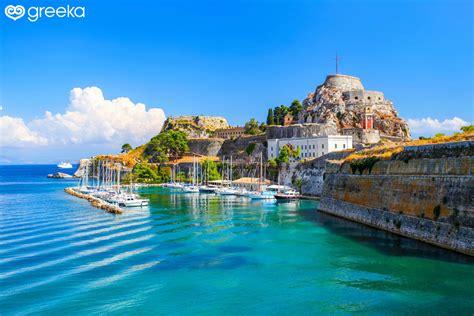
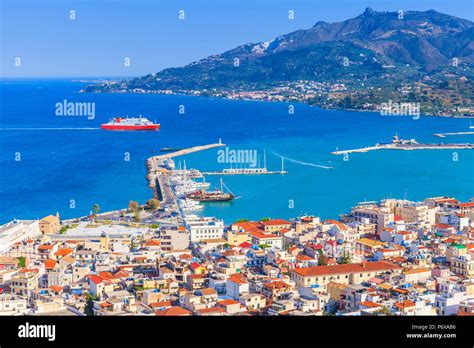
Central to this expansive vision are major port renovations, beginning with the Lefkimmi port in Corfu and Volimos port in Zakynthos. These maritime gateways are more than just travel junctions—they are economic lifelines for islanders and strategic nodes in Greece’s cruise and cargo network. With rising cruise tourism and trade flows, these ports have faced mounting pressure to modernize. The Greek Ministry of Maritime Affairs and Insular Policy, in collaboration with the Region of the Ionian Islands, is now steering a comprehensive upgrade to port terminals, docking infrastructure, and safety systems.
The Lefkimmi port, pivotal for ferry links and trade with mainland Greece, will undergo expansion of docking berths, installation of smart logistics platforms, and enhanced passenger facilities. Meanwhile, the Volimos port—a cornerstone for cruise operations—is being tailored to support larger vessels, better embarkation flow, and high-volume operations that meet international maritime standards.
The aim is clear: position the Ionian Islands as a premium cruise and maritime tourism hub, capable of handling the logistical complexity of modern tourism while preserving the islands’ unique charm. This includes the integration of eco-friendly technologies, such as shore power solutions and emission-control zones, reflecting Greece’s commitment to sustainable development.
Marine Tourism Gets a Luxury Makeover
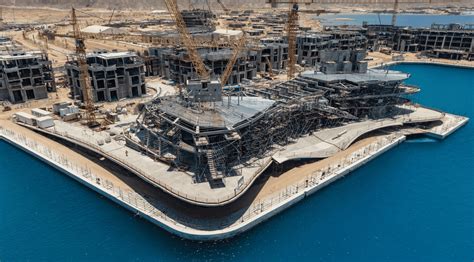
In a bid to capture a growing segment of high-spending travelers, marine tourism infrastructure is also receiving a significant facelift. Investments are being directed to the Kafe Giali marina, a favored anchoring point for private yachts and leisure vessels. Enhanced mooring capacity, upgraded concierge services, and luxury waterfront amenities are part of the overhaul designed to attract affluent tourists seeking exclusive island-hopping experiences.
Complementing this effort is the restoration of the Paleokastritsa tourist shelter at Alypa port, which had long been dormant. This facility, nestled in one of Corfu’s most picturesque enclaves, is set to reopen as a fully functional shelter with modern services, helping to decongest primary ports during peak seasons while offering alternative docking solutions for smaller cruise vessels and boutique ferries.
Water Security: From Vulnerability to Sustainability
As important as transportation upgrades are, the second pillar of the Ionian transformation lies in addressing the critical challenge of water management. Increasing tourist arrivals, coupled with climate change pressures and limited freshwater sources, have made water sustainability a strategic imperative for regional planners.
The Ministry of Maritime Affairs and Insular Policy has committed €1.5 million specifically to overhauling water infrastructure in Corfu, including state-of-the-art distribution systems, modernized reservoirs, and digital monitoring technologies that ensure supply efficiency and rapid response to consumption spikes.
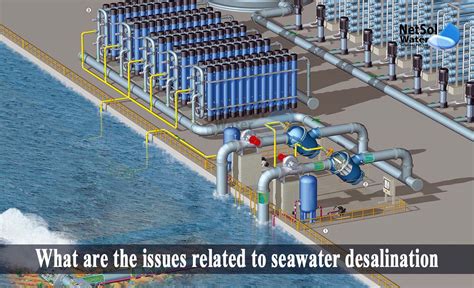
One of the most transformative measures involves the installation of desalination units, which will play a pivotal role in reducing the islands’ dependence on external water supplies. These units are engineered to convert seawater into potable water at scale, offering resilience against drought and consumption surges during the summer high season.
Integrated Civil Protection Under “Aegis” Program
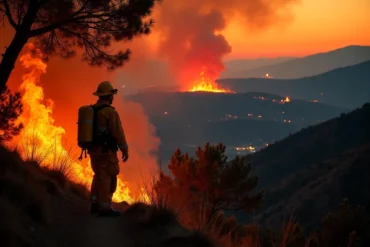
The infrastructure overhaul falls under the broader umbrella of “Aegis” (Αιγίς), Greece’s national civil protection program designed to fortify island resilience against natural disasters and infrastructure vulnerability. In the context of the Ionian Islands, Aegis not only funds upgrades but also incorporates enhanced emergency response systems, smart urban planning, and disaster risk assessments to protect both tourists and local populations.
This integrated approach means that port facilities will feature faster evacuation routes, real-time weather monitoring, and crisis coordination centers. Water systems, too, will be reinforced with emergency reserve capacities and fail-safes, ensuring uninterrupted supply even during extreme events.
A Regional Renaissance with Local Impact
For the residents of the Ionian Islands, the transformation is more than a boost for tourism—it’s an investment in quality of life. Improved water reliability, job creation through construction and service expansion, and more efficient transport links all promise to invigorate local economies. The focus on regional connectivity also ensures that smaller islands and rural communities are not left behind.
Governor Ioannis Trepeklis, who has been a vocal advocate of the modernization program, emphasized the alignment of this plan with the “Ionian Islands 2021–2027” regional development strategy, which is being revised to incorporate new infrastructure, social housing schemes, and environmental sustainability measures. According to Trepeklis, these updates are not just administrative—they’re transformational, setting the stage for generational change across the island chain.
Environmental Resilience in the Face of Climate Change
As climate patterns across the Mediterranean become increasingly volatile, infrastructure resiliency has become non-negotiable. The Ionian Islands are no exception, with rising temperatures, erratic rainfall, and over-tourism threatening the fragile balance between growth and ecological preservation.
The incorporation of desalination, smart water management, and eco-conscious port upgrades is a direct response to this reality. By reducing reliance on vulnerable groundwater reserves and enhancing the efficiency of resource distribution, Greece is positioning the Ionian Islands as a model for climate-resilient island development.

Simultaneously, regulatory updates are being planned to ensure that all new tourism infrastructure complies with EU sustainability directives, including waste management protocols, emissions reduction targets, and marine biodiversity protections. This will help mitigate environmental stress and preserve the pristine beauty that makes the Ionian Islands such an attractive destination.
Toward a New Era of Ionian Prosperity
With the government’s multi-million-euro commitment now taking shape, the Ionian Islands stand at the threshold of a historic shift. What once seemed like isolated tourist outposts are being integrated into a forward-looking national strategy that balances economic ambition with ecological responsibility.
This isn’t just about bigger ports and cleaner water—it’s about a comprehensive recalibration of the Ionian identity: one that celebrates tradition while embracing innovation. As the first bulldozers move in and cranes rise along the waterfronts of Corfu and Zakynthos, the message from Athens is unequivocal: the future of Greek tourism, trade, and resilience begins in the Ionian Sea.
From revitalized marinas and desalination plants to smart logistics and climate-proof infrastructure, the Ionian Islands are poised to emerge not just as a vacation paradise, but as a flagship example of 21st-century island development. And as this transformation unfolds, the benefits—economic, social, and environmental—promise to ripple far beyond the turquoise shores of Greece’s western archipelago.