The International Air Transport Association (IATA) plays a pivotal role in the global aviation industry by accrediting travel agencies, ensuring that they meet essential industry standards. For any travel business aiming to issue airline tickets, IATA accreditation is crucial. In this comprehensive guide, we will explore how to get an IATA number, the process involved, the benefits of obtaining certification, and alternative solutions for agencies that are not ready or able to undergo the IATA accreditation process.
What is IATA?
The International Air Transport Association, or IATA, is the primary governing body that oversees the global airline industry. Established in 1945, its core functions include regulating activities related to air travel distribution, fare calculations, revenue allocations, baggage rules, and much more. IATA accreditation is essentially a stamp of approval that assures airlines and travel service providers that a particular agency adheres to IATA’s standards for professionalism, reliability, and financial responsibility. This accreditation provides agencies with direct access to airlines’ reservation systems and facilitates the booking and issuance of tickets without the need for intermediaries.
IATA’s accreditation process is a complex but crucial step for travel businesses that wish to gain credibility and expand their operations. The certification involves a thorough vetting of the business’s financial health, operational practices, and its adherence to industry standards. However, the benefits of IATA accreditation far outweigh the challenges, as it opens doors to a range of opportunities within the travel industry.
Benefits of IATA Certification
When a travel business achieves IATA certification, it gains access to several advantages that improve its operational efficiency, industry credibility, and overall market standing.
1. Industry Recognition and Credibility
Having an IATA number gives your travel business global recognition as a trusted agent authorized to issue airline tickets directly from the airlines. This not only boosts the business’s credibility but also ensures that clients are confident in your services. Displaying the IATA logo on your website and office premises signals to customers that you are a professional, trustworthy agency.
2. Direct Access to Airline Inventory and Ticketing Systems
One of the most significant benefits of IATA certification is the ability to directly access airline inventories through IATA’s Billing and Settlement Plan (BSP). This enables you to issue airline tickets, accept payments, and manage bookings without relying on intermediaries. It simplifies the process for both your business and the airlines, cutting down on operational costs and enhancing customer satisfaction.
3. Financial Control and Revenue Opportunities
IATA accreditation provides agencies with the ability to control their financial dealings with airlines directly. Accredited agents have the option to manage their own markup on tickets, which allows them to increase their revenue by offering competitive pricing. Additionally, IATA agents can also earn commissions from airlines, providing further opportunities for profitability.
4. Simplified Payment and Settlement Systems
The BSP and other payment systems streamline the ticketing and financial settlement process, allowing travel agencies to manage bookings more efficiently. This system ensures that agencies are paid for their services promptly and that airlines are paid for their inventory sold. For businesses, this guarantees smoother cash flow management.
How to Apply for an IATA Number
The process to get an IATA number involves several detailed steps. Travel agencies must meet specific requirements and submit a comprehensive application to gain accreditation. Below are the main steps involved in applying for an IATA number:
Step 1: Understand the Types of IATA Accreditation
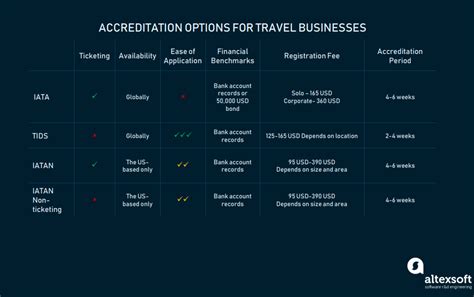
There are different types of IATA accreditation based on the size of your agency, the services you offer, and whether you plan to issue airline tickets.
- GoLite: A simplified accreditation model designed for agencies that don’t handle cash transactions but only use payment methods such as IATA EasyPay.
- GoStandard: The default accreditation option that provides full access to all payment methods and allows agencies to issue tickets, process payments, and interact directly with airlines.
- GoGlobal: A multi-country accreditation ideal for agencies operating in several markets or countries, allowing them to streamline their operations under one unified agreement.
Step 2: Gather the Required Documentation
The application process for an IATA number requires the submission of several documents that prove your business’s legitimacy, experience, and financial stability. The following documents are typically required:
- Proof of business operations: Business license, contracts with airlines, or proof of operations.
- Proof of qualifications: Certifications, agent training courses, or other relevant credentials.
- Prior experience: Evidence of your experience in the travel industry, ideally with other accredited agents or airlines.
- Financial documentation: Detailed bank statements, tax forms, and other financial records to verify your agency’s financial stability.
Step 3: Complete the Application Form
Once all the required documents are prepared, you need to fill out and submit the IATA application form through the IATA Customer Portal. This will include all the necessary details about your business, your operational procedures, and your financial status.
Step 4: Submit the Application and Pay the Fee
Submit your completed application, along with the required documents and any necessary fees. The fees for IATA accreditation depend on the size and type of accreditation you are applying for. Expect to pay between 250 CHF (~$280) and 1500 CHF (~$1,700) for registration, plus an annual fee based on your agency’s sales volume.
Step 5: Wait for Approval and Verification
Once you submit your application, IATA will review your documents and assess your eligibility. This process can take several months, as IATA will conduct a detailed evaluation of your business, finances, and operations. During this period, they may request additional information or clarification on certain aspects of your application.
Alternatives to IATA Accreditation
For some travel businesses, especially smaller agencies or those just starting out, the process of getting IATA accreditation can be daunting and resource-intensive. However, there are alternatives to IATA accreditation that still provide access to airline bookings and other travel services.
Travel Industry Designator Service (TIDS)
For agencies that do not need to issue airline tickets but still want access to airline inventories, the Travel Industry Designator Service (TIDS) is a great option. TIDS gives agencies a unique code that allows them to make bookings with airlines, hotels, car rental companies, and other suppliers. While TIDS does not grant the ability to issue tickets, it is an excellent option for non-ticketing agencies such as meeting planners or tour operators.
Working with a Host Agency
Another alternative is partnering with a host agency. Host agencies are established companies that already have IATA accreditation. Smaller or newer agencies can work under the host agency’s IATA number, giving them access to the benefits of IATA without going through the full accreditation process themselves. This can be particularly useful for home-based or independent agents.
Collaborating with Consolidators
Consolidators are third-party companies that provide access to discounted airline tickets and other travel services. They handle the ticketing and other booking processes, allowing agencies without IATA accreditation to offer tickets to their customers. This solution is ideal for businesses that are not ready to undergo the IATA process but still want to sell flight tickets.
Challenges in Getting IATA Accreditation
While obtaining an IATA number provides many advantages, the process can be time-consuming and challenging. IATA accreditation requires a significant amount of paperwork, and the process often takes several months to complete. Agencies must maintain financial stability and meet stringent regulatory standards to avoid complications during the approval process.
Moreover, after being accredited, agencies must undergo annual financial reviews, which can be a burden for businesses that are not consistently financially stable. This ongoing evaluation is critical to ensure that the agency remains a viable partner for airlines and other suppliers.
Additionally, while IATA certification can help boost an agency’s reputation, it does not automatically lead to increased sales. The business still needs to actively market its services and attract customers. The expenses involved in obtaining and maintaining IATA accreditation, such as application fees and insurance requirements, can be significant, and these costs might not always result in immediate financial returns.
Conclusion
Obtaining an IATA number is a significant step for any travel business that wants to issue airline tickets and establish itself as a credible player in the industry. The accreditation process, though lengthy and detailed, provides numerous benefits, including access to global airline inventories, industry recognition, and enhanced financial control.
For businesses that find the full IATA accreditation process too demanding, alternatives like TIDS, host agencies, and consolidators offer viable pathways to access airline services without the need for formal IATA certification. Regardless of the path chosen, it’s clear that IATA accreditation remains a valuable asset for agencies looking to expand their services and increase their market presence.