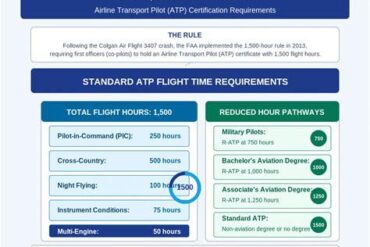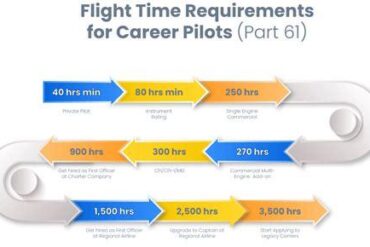
Building flight hours to meet the 1500-hour minimum required for the Airline Transport Pilot License (ATPL) can seem like an overwhelming journey for many aspiring pilots. However, there are numerous strategies that can make the path to 1500 hours more manageable, quicker, and more cost-effective. In this article, we will discuss some of the fastest and most efficient ways to log flight hours, exploring various methods that go beyond the traditional route. Whether you are looking to save money or accelerate your career progression, understanding these hacks could drastically change your flight training approach.
The Conventional Route: Flight Instructor (CFI) and Commercial Pilots
One of the most common and fastest methods of building hours is becoming a Certified Flight Instructor (CFI). Once you obtain your CFI certificate, you can start earning money by instructing, while simultaneously logging hours. This allows you to build your time quickly and gain valuable experience in the process. Many pilots opt for this path as it enables them to be paid for their time in the air.
However, while this option offers an efficient way to accumulate hours, there are challenges. The pay is often modest, and the work can be demanding. You will spend a significant amount of time teaching students, which, while enriching, can also be tiring. Nonetheless, it remains one of the most reliable ways to reach the 1500-hour threshold.
Flying for a Regional Airline: A Viable Alternative
For those willing to look beyond the typical flight training routes, flying for a regional airline can be another option to quickly build flight hours. Regional airlines tend to have lower entry requirements compared to major carriers, and many pilots start their careers here. The experience gained can significantly enhance your skills and expose you to various aircraft types and operations, making you a more competitive candidate when applying for higher-level positions later on.
However, a career with a regional airline comes with trade-offs. The pay is generally lower compared to flying with major airlines, and you may have to work harder to gain the necessary qualifications. Nonetheless, flying for a regional airline can get you to your 1500-hour mark faster than other methods.
The Glider Route: Cost-Effective but Challenging
While not the most common method, flying gliders offers a unique and cost-effective way to accumulate hours. Renting a glider is far cheaper than flying a powered aircraft. Some estimates suggest that glider rental fees can be as low as $30 per hour, making this an attractive option for many aspiring pilots. Glider flying also hones stick-and-rudder skills, providing a solid foundation for pilots, particularly in terms of maneuvering and aircraft control.
However, there are some caveats. While glider hours do count towards your total flight hours, they may not be as easily accepted by all airlines, and they are not ideal for pilots aiming to work in commercial aviation immediately. Glider flying is a fantastic learning experience, but it might not be the best way to prepare for a 121 airline job, which requires extensive training in powered aircraft. Still, if you’re looking to save money and build hours quickly, gliders can be a highly effective supplement.
Banner Towing and Aerial Survey: Alternative Flight Jobs
Two other flight jobs worth considering are banner towing and aerial survey work. These jobs allow pilots to fly for extended periods, accumulating flight hours while getting paid. Banner towing, in particular, can offer long flights, especially during the summer months, and provides an opportunity to work independently, controlling your schedule. Aerial survey jobs also offer a steady flow of flight hours, typically requiring pilots to fly long routes for surveys, mapping, and photography.
However, both of these jobs are often considered less prestigious than instructing, and the pay is typically lower than what a CFI might earn. Additionally, the flight conditions might not be ideal for those seeking to hone their flying skills in a controlled environment. Nonetheless, for pilots who are willing to put in the hours, these roles can contribute significantly towards reaching the 1500-hour target.
Flying for European Airlines: A Possible Shortcut?
For those interested in international opportunities, flying for a European airline can sometimes offer a shortcut to accumulating flight hours. European airlines, especially low-cost carriers like Ryanair, have lower flight hour requirements than U.S.-based airlines. However, flying in Europe comes with certain barriers.
First, you must meet the necessary qualifications, including passing the EASA exams to convert your FAA license. These exams can be time-consuming and challenging, but the benefits of obtaining a European license might be worth the effort. Another hurdle is securing the right to work in Europe, which often requires proof of European citizenship or residency. Fortunately, many European countries have lax citizenship rules, allowing individuals with even distant ancestry to claim citizenship. If you qualify, you could be eligible to work for a European airline without the bureaucratic obstacles of other countries.
While this option might seem like an appealing shortcut, it’s essential to consider the long-term value and whether the effort involved justifies the time saved in gaining flight hours.
Time-Building Strategies for Maximizing Flight Hours
Once you’ve decided on the method you want to pursue, there are several strategies you can implement to maximize your time-building efforts:
- Flying frequently: The more you fly, the faster you will accumulate hours. Try to schedule flights consistently to maximize your time in the air.
- Optimizing your schedule: Focus on maximizing each flight session. Instead of flying once a week for a short period, try to get in multiple flights in a day or over the weekend. This approach will help you log hours more quickly.
- Pursuing multiple ratings: Additional ratings like Instrument, Multi-Engine, and Seaplane will add variety to your flight hours and make you more marketable as a pilot. These ratings also allow you to build hours in different environments, further expanding your experience.
- Networking: Join flight clubs, attend aviation events, and connect with fellow pilots. Networking can help you find more opportunities to fly, whether it’s through shared ownership, flight schools, or other arrangements.
Final Thoughts: A Tailored Approach to Building 1500 Flight Hours
The fastest way to build 1500 flight hours will ultimately depend on your individual situation. For those looking to save money, flying gliders or working as a CFI may be the best route. If you’re more focused on gaining experience quickly, regional airline flying or international opportunities may be a better fit. No matter which route you choose, consistency, dedication, and smart planning will help you reach your goal in a fraction of the time it might otherwise take. The key is to find the method that aligns with your personal goals and career aspirations while allowing you to meet the necessary flight hour requirements efficiently.