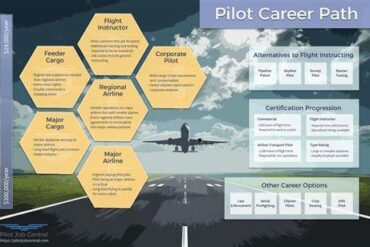
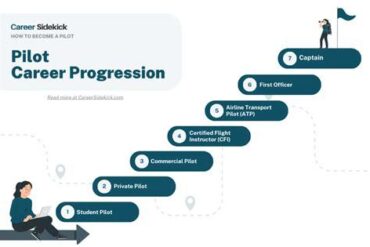
Building flight hours after obtaining a Commercial Pilot’s License (CPL) is a pivotal step toward advancing an aviation career. Although many envision an immediate transition into major airline roles, the reality is more nuanced. A range of entry-level pilot jobs allows aviators to accumulate hours efficiently while gaining valuable experience. In this guide, we explore the top options for pilot jobs to build hours and provide detailed insights into each opportunity.
Certified Flight Instructor (CFI): The Classic Route to Success
Becoming a Certified Flight Instructor (CFI) is widely regarded as the most reliable and strategic path for pilots to build flight time. Flight schools are perpetually in need of instructors, offering steady employment and rapid hour accumulation. Although obtaining a CFI qualification demands rigorous study, substantial financial investment, and a natural talent for teaching, the rewards are significant.
Beyond just accumulating hours, CFIs develop strong communication skills, sharpen their technical knowledge, and often establish important industry connections that serve their future careers.

Banner Towing and Glider Towing: Mastering the Low and Slow
Pilots who relish flying at low altitudes often find banner towing and glider towing jobs appealing. Banner towing typically involves single-engine aircraft equipped with specialized mechanisms for picking up and releasing large advertising banners. Precision flying skills are critical, as operations frequently occur over crowded beaches, events, and cities.
While the pay may not rival other avenues, banner towing builds stick-and-rudder skills that airlines highly value. Glider towing, though less common and sometimes feasible with only a Private Pilot License (PPL), offers a similar challenge and experience.
Skydive Jump Pilot: High Loads, High Rewards
Skydiving centers, particularly during peak seasons, offer exciting opportunities for low-time pilots. Skydive jump pilots fly loads of parachutists to designated altitudes, requiring sharp climb management and precise timing.
Though pilots are paid per load — not per hour — the fast turnover of flights during busy periods can lead to significant income and rapid hour accumulation. Aircraft can range from single-engine Cessnas to turbine-powered platforms like the Twin Otter.
Aircraft Ferry Pilot: Embracing the Adventure
Ferry pilots transport aircraft over long distances, often delivering new purchases or repositioning planes for owners. This field demands exceptional navigation skills, weather judgment, and independence. While ferry jobs usually require higher experience levels, tenacious low-time pilots sometimes find opportunities by working under supervision or assisting seasoned ferry pilots.

Aerial Tour Pilot: Sharing the Beauty from Above
Tourism hotspots like the Grand Canyon, Hawaii, and Alaska constantly need pilots to offer scenic flights to tourists. As an aerial tour pilot, aviators fly fixed-wing aircraft or helicopters, providing commentary and ensuring passenger safety. The job is seasonal but offers a great mix of hands-on flying and customer interaction.
Working as a tour pilot enhances situational awareness, multitasking abilities, and public speaking — all critical skills for a future in commercial aviation.
Traffic Watch Pilot: A Dying Art or a New Beginning?
The traditional role of traffic watch pilots involves relaying real-time traffic conditions to news stations. Although drone technology increasingly fills this niche, opportunities still exist for manned aircraft pilots, especially in larger metropolitan areas.
However, pilots considering this route should also explore UAV certification to diversify their income streams, as the market shifts toward unmanned aerial solutions.
Pipeline and Powerline Patrol Pilot: Essential Infrastructure Work
Pipeline and powerline patrol jobs are some of the few full-time, low-time pilot jobs available. Pilots fly low and slow, meticulously inspecting infrastructure for damage, leaks, or hazards. The work demands exceptional attention to detail and excellent low-altitude flying skills.
Companies often hire contractors, meaning pilots must be self-motivated and flexible with schedules. However, the steady flying hours make this a prime choice for those serious about building time quickly.
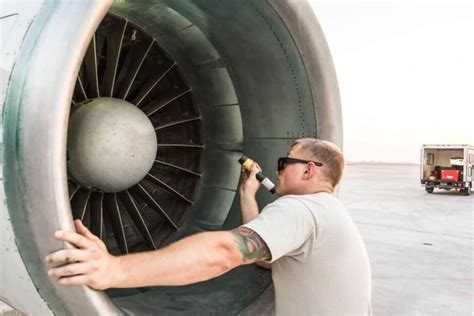
Aerial Surveying and Mapping: Precision from the Skies
Aerial surveying and mapping involve using aircraft fitted with specialized cameras and sensors to collect data for various industries. This work suits pilots comfortable with technology and who can handle long, uneventful flights.
Some surveying companies prefer pilots with a technical background or additional certifications in data management. Nevertheless, the stability and potential for full-time employment make this one of the more attractive options for low-time pilots.
Aerial Photography: Capturing the World from Above
Though drones dominate modern aerial photography, manned flights are still necessary for certain high-altitude or specialized projects. Pilots may either operate the camera themselves or serve as the photographer’s platform.
Drone piloting under FAA’s Part 107 regulation can supplement income while building manned aircraft hours through other means. Although not a direct flight-hour builder, aerial photography keeps pilots active in the aviation community.
Part 135 Charter Pilot: Diverse Experience Builder
Part 135 charter operations cover medical evacuations, corporate charters, and private flights. Although FAA regulations permit hiring pilots with as little as 500 hours for certain operations, most employers prefer candidates with at least 1,200 hours.
Those who secure a Part 135 job gain invaluable experience across a variety of aircraft and mission profiles. The exposure to IFR operations, customer service, and high-tempo environments prepares pilots exceptionally well for future airline interviews.
Air Cargo Operations: Steady Schedules and Solid Pay
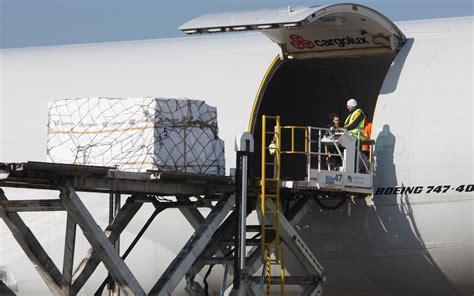
Regional air cargo jobs offer another route for low-time pilots eager to log hours. Companies specializing in cargo transport often hire pilots to fly smaller twin-engine aircraft across short-haul routes.
Besides building time, cargo operations instill a disciplined approach to schedule management, weight and balance considerations, and operational decision-making — all vital for airline careers.
Your Chances of Securing a Pilot Job: Reality Check
Breaking into the aviation industry with minimal hours requires resilience, flexibility, and perseverance. Although the “hiring frenzy” post-2022 has subsided among major airlines, regional carriers and smaller operators are still eager to recruit determined pilots.
Persistence often trumps experience. Companies are willing to take a chance on pilots who demonstrate professionalism, enthusiasm, and the right attitude. Submitting a tailored resume, staying proactive, and physically visiting airports to distribute CVs can make the critical difference.
Pilots should also remain open to unconventional paths, understanding that every opportunity — from towing banners to instructing — moves them closer to the ultimate goal of a long-term professional flying career.
Conclusion: Navigating the Journey to 1,500 Hours and Beyond
Building flight hours is not simply about ticking a box; it’s about refining skills, expanding aviation knowledge, and demonstrating commitment. Jobs such as CFI work, banner towing, pipeline patrol, and aerial surveying are crucial stepping stones on the way to major airlines or corporate flying careers.
Pilots must adopt a multi-pronged strategy: gain as much diverse experience as possible, maintain a meticulous logbook, network tirelessly, and apply fearlessly even when jobs seem just out of reach. Aviation rewards perseverance, and opportunities favor those who pursue them relentlessly.
The sky is vast, and for pilots willing to work hard and smart, there is always room to climb higher.