Securing a Part 135 pilot job with just 500 hours of flight experience is a dream for many aspiring aviators. The industry has traditionally demanded significantly higher flight times, but the evolving needs of regional carriers, air charter companies, and cargo operators have created unique opportunities for lower-time pilots who meet specific qualifications.
The key to entering the Part 135 sector at 500 hours lies in aligning your credentials, skills, and professional readiness with the specific requirements laid out by employers. Companies like Kingfisher Air Services, Jet Access, and Horizon Air are increasingly open to hiring pilots with lower total times, provided other critical standards are met.
Understanding the Basics of Part 135 Operations
Part 135 operations, governed by the Federal Aviation Administration (FAA), cover a broad array of commercial activities including on-demand charter flights, air taxi services, and medical evacuations. Unlike Part 121 airlines, which typically involve scheduled passenger services, Part 135 pilots often fly smaller aircraft to a wider variety of destinations under flexible schedules.
This operational diversity means that pilots must demonstrate greater autonomy, judgment, and proficiency, often operating as single-pilot IFR in challenging weather conditions. Requirements for these positions are detailed and specific: a Commercial Pilot Certificate, an Instrument Rating, and a current First Class Medical Certificate are foundational.
Meeting the Minimum Requirements: What 500 Hours Really Means
While the figure “500 hours” suggests accessibility, the truth is more nuanced. Pilots seeking these opportunities must typically have:
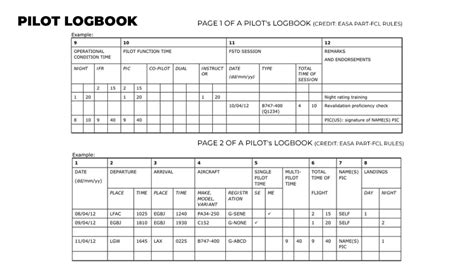
- 500 hours Pilot in Command (PIC) time
- 500 hours Cross-Country time
- 100 hours of Night Flying
- 75 hours of Actual Instrument time (limited to no more than 25 hours simulated)
These figures align closely with hiring standards at companies like Kingfisher Air Services, which specializes in cargo operations across the Caribbean and South America using the Cessna Caravan 208B. Their pilots enjoy structured schedules, excellent benefits, and unique regional flying experiences.
The Competitive Landscape for Low-Time Part 135 Pilots
Despite the increasing number of openings, competition remains fierce. Operators such as CRAFT, Executive Jet Management, and Ventura Air Services often seek candidates who bring more than just minimum hours. CE-208 experience, turbine time, and Part 135 operational familiarity greatly enhance a pilot’s attractiveness to employers.
Additional certifications and proficiencies, such as IFR proficiency, current passport with no travel restrictions, and U.S. citizenship, are often mandatory, particularly for operators with international routes.
High-Demand Aircraft for 500-Hour Part 135 Pilots
Aircraft that commonly see 500-hour pilots in the left or right seat include:
- Cessna Caravan 208B
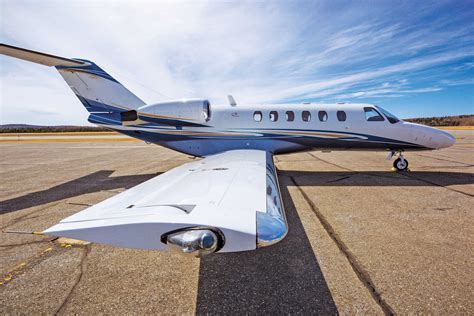
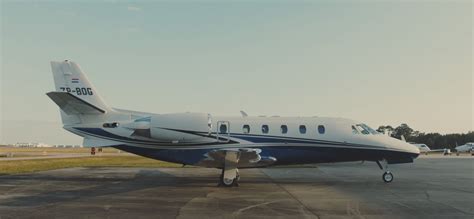
- Citation Ultra and M2 Gen2
- Lear 45 and Challenger 300/604
These aircraft demand a high degree of technical proficiency but offer exceptional opportunities for skill development. Training programs, often provided in-house, ensure pilots transition safely and competently into more complex operational environments.
Companies Actively Hiring 500-Hour Part 135 Pilots
Employers such as Jet Access in Carlsbad, CA, offering Citation XLS captain roles, and Horizon Air in SeaTac, WA, employing experienced First Officers, represent a new frontier of opportunity for well-prepared, low-time pilots.
Meanwhile, firms like Leviate Air Group and Aery Aviation continuously seek pilots to command advanced aircraft under Part 135 regulations, sometimes providing pathways into larger jets once additional flight time is accumulated.
Salary Expectations for Part 135 Pilots at 500 Hours
The salary range for 500-hour Part 135 pilots varies widely depending on aircraft type, operational complexity, and geographic location. Entry-level salaries typically range from $65,000 to $95,000 per year, with some captain roles, particularly on jets, offering $170,000 to $220,000 annually.
For instance, Kingfisher Air Services offers salaries starting at $65,000 with a $3,000 signing bonus, while larger operations flying jets like the Gulfstream G450 command substantially higher compensation.
Benefits often include:
- Health, Dental, and Vision Insurance
- Paid Time Off and Holidays
- 401(k) Matching Contributions
- FAA Medical Reimbursements
Why 500-Hour Part 135 Jobs Are Critical Stepping Stones
For pilots aspiring to reach major airlines or corporate flight departments, Part 135 flying offers unparalleled real-world experience. Operating under IFR conditions, managing diverse customer needs, and maintaining stringent safety standards equip pilots with competencies that are highly prized across the aviation sector.
Moreover, building turbine time early in a career significantly accelerates a pilot’s path toward higher-paying, more prestigious opportunities, including Part 121 carriers and global business aviation companies.

Preparing for Success: Training, Networking, and Application Tips
Pilots aiming to secure these coveted roles must not only meet technical requirements but also excel in interviews, simulator evaluations, and line training. Investing in high-quality recurrent IFR training, staying current on Federal Aviation Regulations (FARs), and networking through industry events like NBAA’s Regional Forums can make a decisive difference.
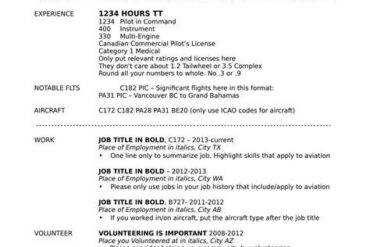
Tailoring resumes to highlight specific Part 135 operational skills — such as autonomous decision-making, IFR proficiency, and customer service excellence — is essential. Moreover, pilots should be prepared to relocate quickly, as many opportunities are geographically specific.
The Future Outlook for 500-Hour Pilots in Part 135
As demand for skilled pilots continues to outpace supply, particularly in regional and niche markets, we expect the availability of 500-hour Part 135 pilot jobs to grow steadily through 2025 and beyond. The ongoing expansion of cargo services, the boom in private jet travel, and persistent pilot retirements are reshaping the hiring landscape.

In conclusion, while breaking into Part 135 flying at 500 hours is challenging, it is increasingly achievable for determined, well-prepared pilots. With strategic planning, continuous training, and the right professional mindset, today’s 500-hour pilots can become tomorrow’s aviation leaders.