Becoming a professional pilot is a journey that involves mastering complex systems, regulations, and concepts that govern aviation. Whether you’re transitioning from general aviation or advancing in your career, understanding these elements is crucial to ensuring safety, efficiency, and success in the cockpit. In this article, we delve into the essential topics covered in the renowned book Everything Explained for the Professional Pilot (13th Edition) by Richie Lengel, offering professional pilots a resource to sharpen their knowledge and skills.
The Scope of the Book: A Pilot’s Ultimate Reference
The 13th edition of Everything Explained for the Professional Pilot serves as a comprehensive guide for those pursuing or already in professional aviation. The book spans topics from basic aerodynamics to the intricacies of operating large commercial jets. It is not just a manual but an essential reference that covers the full spectrum of aviation.
The book is well-regarded for its clarity and humor, making complex topics accessible while retaining the seriousness needed for pilot education. It is widely used by student pilots, flight instructors, and seasoned aviators alike.
Click Here to See Pricing, Ratings, and Reviews on Amazon.com
Core Concepts for the Professional Pilot
For professional pilots, having an in-depth understanding of operational regulations and aircraft systems is paramount. Everything Explained for the Professional Pilot breaks down complicated regulations, such as FAR Part 121 and Part 135, which are essential for those flying commercial and charter operations.
Key sections covered include:
- Flight Operations Specifications (OpSpecs)
- Regulatory Frameworks for Airlines and Charters
- Aircraft Systems and Performance
- Advanced Aerodynamics
- Meteorology and Weather Reports
These elements of the book are structured in a way that makes it easy to digest, with plenty of references to FAA regulations for cross-checking.
Aircraft Systems and Performance
For the professional pilot, understanding aircraft systems is non-negotiable. The book provides detailed insights into aircraft powerplants, electrical systems, avionics, flight control systems, and much more. Knowing how to troubleshoot and maintain a clear understanding of an aircraft’s performance is critical, especially when transitioning from small aircraft to complex, high-performance jets.
The book emphasizes not only how these systems work but also why they are designed the way they are. Whether you’re flying a turbojet or turboprop, the intricacies of fuel management, hydraulic systems, and autopilot functionality are explored in depth.
Regulations and Legal Considerations
Regulations are the backbone of aviation safety, and understanding them thoroughly is essential for every professional pilot. Everything Explained for the Professional Pilot covers regulations with precision, ensuring that pilots are not only familiar with FARs (Federal Aviation Regulations) but also with operational limits, aircraft-specific restrictions, and how these laws apply in practical, real-world scenarios.
Key regulations covered include:
- FAR 121 and FAR 135 – Commercial Operations
- Flight Time Limitations and Rest Requirements
- Operating Specifications (OpSpecs)
- Aircraft Weight and Balance Regulations
The book also explores the legal responsibilities pilots carry, especially in the commercial aviation sector. This includes a deep dive into topics such as flight crew duties, maintenance logs, and the proper handling of flight delays and emergency landings.
Aerodynamics and Flight Theory
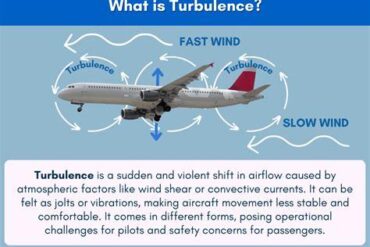
Aerodynamics is one of the most fundamental principles that every pilot must understand. The book breaks down the core concepts of aerodynamics, from Bernoulli’s Principle to more complex theories of lift, drag, and thrust. It offers practical tips on how to apply these principles during flight, especially when encountering turbulent weather or extreme flight conditions.
The book explains the five phases of flight, emphasizing how aerodynamics plays a role during each stage, from takeoff to landing. Understanding aerodynamics at this level helps professional pilots enhance their decision-making and safety protocols during routine operations as well as emergency situations.
Weather and Meteorology for Professional Pilots
One of the most challenging aspects of professional piloting is dealing with weather and meteorological conditions. The book provides an in-depth explanation of weather reports, weather charts, and metar/tafs to help pilots read and interpret weather data with ease.
Professional pilots need to recognize how weather influences not just flight routes but also aircraft performance. For example, the book explores the effects of density altitude, wind shear, and thunderstorms, and how these phenomena impact fuel calculations and altitude decisions.
Flight Crew Management and Communication
In professional aviation, managing a flight crew effectively is crucial for the smooth operation of an airline or charter. The book highlights the importance of effective communication and coordination among crew members, particularly in the cockpit. This section offers detailed strategies on maintaining clear communication, especially during emergency situations.
Additionally, the book touches on CRM (Crew Resource Management), focusing on leadership, workload management, and decision-making in a high-stakes environment. It also addresses how pilots can manage interpersonal dynamics among different flight crew members, fostering collaboration even under pressure.
Preparing for the Professional Pilot’s Checkride
For those advancing in their careers, preparing for the ATP (Airline Transport Pilot) written exams and practical checkrides is one of the most important milestones. The book provides useful tips on how to prepare for these exams by breaking down the knowledge areas covered, including flight planning, navigation, aircraft systems, and emergency procedures.
The author emphasizes study techniques and test-taking strategies, offering guidance on how to efficiently review vast amounts of information without feeling overwhelmed. The book includes sections dedicated to memorization aids, like the 22 Rule for density altitude and other tricks for quick reference.
Conclusion: A Must-Have Resource for Every Professional Pilot
Whether you’re just starting your career in aviation or looking to fine-tune your knowledge for a more advanced role, Everything Explained for the Professional Pilot is a must-have resource. The 13th edition is packed with relevant, concise, and accurate information that caters to the modern-day pilot. With its unique approach of blending humor and solid technical content, it ensures that every chapter is both engaging and educational.
The book is designed not just for students but for experienced aviators looking for a solid reference guide to help them stay sharp in a constantly evolving field. Whether you’re flying commercial aircraft or corporate jets, this resource provides the foundational knowledge necessary to succeed in today’s complex aviation world.
Click Here to See Pricing, Ratings, and Reviews on Amazon.com