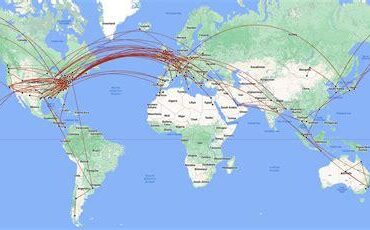
Air Canada has completed one of the most remarkable periods of international network growth in its recent history, launching three new long-haul routes within just three days. Between June 3 and June 5, Canada’s largest airline inaugurated nonstop services connecting Toronto with Shanghai and Budapest, while also opening a brand-new route between Montreal and Catania in Sicily.
The rapid succession of route launches highlights the airline’s confidence in the continued recovery of international travel demand and demonstrates a strategic effort to strengthen its global footprint across Asia and Europe. While airlines routinely add destinations throughout the year, introducing three intercontinental routes in a 72-hour period is unusual even for major global carriers.
The new services are more than simple additions to Air Canada’s schedule. Each route serves a distinct strategic purpose. Shanghai reconnects the airline with one of Asia’s most important economic centers, Catania opens a completely new market linking Canada directly with Sicily, and Budapest restores nonstop connectivity between Canada and Hungary after years of absence.
Together, the launches reinforce Air Canada’s position as the country’s dominant long-haul operator and signal a renewed focus on international expansion from its major hubs in Toronto and Montreal.
Air Canada Restores Toronto–Shanghai Flights After Five Years
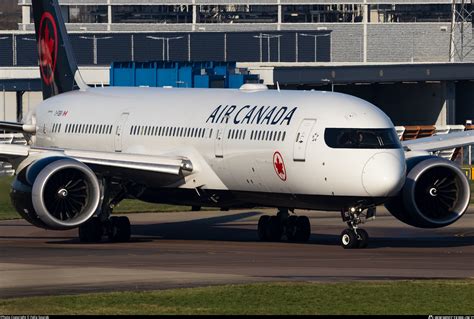
The most significant development occurred on June 3 when Air Canada officially resumed nonstop service between Toronto Pearson International Airport and Shanghai Pudong International Airport. The route had been absent from the airline’s network since 2020, when pandemic-related disruptions forced carriers worldwide to suspend numerous international operations.
The return of Shanghai represents a major milestone for Air Canada’s transpacific network. Before the pandemic, the airline operated daily flights on the route, reflecting Shanghai’s importance as a key business, tourism, and trade destination. Although the current schedule is more modest, operating approximately three to four times weekly, the restoration of service signals growing confidence in the market’s long-term potential.
Flights are being operated by the Boeing 787-9 Dreamliner, one of Air Canada’s most efficient long-haul aircraft. The aircraft offers a balance of passenger comfort and operational efficiency, making it well-suited for ultra-long international routes connecting North America and Asia.
Shanghai remains one of China’s most influential commercial centers and serves as a critical gateway for business travelers, multinational corporations, international students, and leisure passengers. The route’s return also provides Canadian travelers with an additional nonstop option to China while enhancing connectivity across Air Canada’s broader global network.
Competition on the route is expected to remain strong, particularly with China Eastern Airlines also serving the market. Nevertheless, Air Canada’s reentry reflects broader trends showing the gradual normalization of international aviation markets that were among the slowest sectors to recover following global travel restrictions.
Montreal–Catania Creates Canada’s First Direct Link To Sicily
Just one day after relaunching Shanghai service, Air Canada achieved another milestone by inaugurating nonstop flights between Montreal-Trudeau International Airport and Catania Airport in Sicily.
The June 4 launch created the first scheduled nonstop air connection between Canada and Sicily, a region that has long attracted Canadian tourists and maintained deep cultural ties with communities across Canada. Despite strong travel demand and historical connections, neither Catania nor Palermo had previously enjoyed direct scheduled service from Canada.
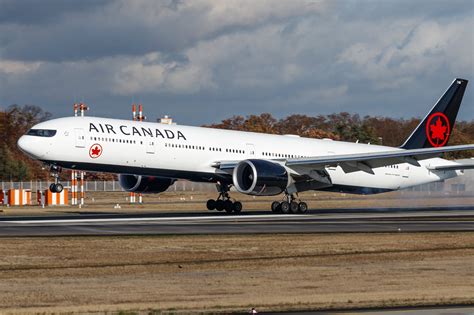
The new route operates three times per week using the Boeing 787-8 Dreamliner. Air Canada selected Montreal as the gateway due to the city’s large Italian-Canadian population and its role as one of the airline’s primary transatlantic hubs.
The introduction of the service comes at a time when Sicily is experiencing unprecedented growth in transatlantic aviation. Industry projections indicate that total North American capacity to the island will reach approximately 209,000 two-way seats this year, nearly doubling the previous record established in 2025.
Sicily’s popularity continues to rise among travelers seeking Mediterranean destinations that combine historic cities, coastal landscapes, world-famous cuisine, and cultural heritage. Catania serves as a gateway to many of the island’s most famous attractions, including Mount Etna, Taormina, Syracuse, and numerous beach destinations.
For Air Canada, the route provides access to a growing leisure market while differentiating its European network with a destination that remains underserved compared with larger Italian cities such as Rome, Milan, and Venice.
The launch also reflects broader changes in travel preferences, as more passengers increasingly seek unique regional destinations rather than traditional gateway cities.
Toronto–Budapest Returns After A Six-Year Absence
The third route launch occurred on June 5 when Air Canada restored nonstop service between Toronto and Budapest, re-establishing a connection that had disappeared from the airline’s network six years earlier.
Budapest was previously served by Air Canada Rouge between 2016 and 2019. Following the route’s suspension, travelers between Canada and Hungary often relied on connections through major European hubs. The return of nonstop service therefore represents a significant improvement in accessibility for both business and leisure travelers.
Unlike its previous operation under the Rouge brand, the revived route is now being flown by Air Canada’s mainline division using Boeing 787-8 and 787-9 aircraft. Service frequencies range between three and four weekly flights, providing substantial capacity while allowing the airline flexibility as demand develops.

Budapest has emerged as one of Central Europe’s most attractive destinations, drawing visitors with its architectural landmarks, thermal baths, cultural institutions, and growing business sector. The city has also become increasingly important as a regional hub connecting travelers across Eastern and Central Europe.
Air Canada’s return coincides with a broader resurgence in North American connectivity for Hungary. Industry forecasts suggest Budapest will offer approximately 112,000 two-way seats between North America and Hungary this year, representing the strongest level of transatlantic capacity in seven years.
The timing is particularly notable as other airlines have also begun restoring service to Budapest, reflecting renewed confidence in demand between North America and Central Europe.
What These Three Routes Mean For Air Canada’s Global Strategy
Viewed individually, each route fulfills a different strategic objective. Shanghai strengthens Air Canada’s position in Asia and restores access to a major international business market. Catania introduces a completely new destination while capturing growing demand for Mediterranean leisure travel. Budapest reconnects Canada with an important Central European capital that had lost nonstop service.
Collectively, however, the three launches reveal a broader strategy centered on international growth and network diversification. Air Canada is not simply rebuilding routes that existed before the pandemic; it is actively identifying opportunities where demand, competition, and connectivity align to support long-term expansion.
The concentration of these launches within such a short period underscores the airline’s confidence in global travel demand and the continued recovery of long-haul aviation. By strengthening links to China, Italy, and Hungary simultaneously, Air Canada has expanded its reach across multiple continents while enhancing the value of its Toronto and Montreal hubs.
Few airlines launch three intercontinental routes in three consecutive days. For Air Canada, the achievement represents one of the most concentrated bursts of long-haul expansion in recent years and offers a clear indication that the carrier intends to remain a leading force in international aviation as global travel continues its recovery.