
United Airlines’ highly anticipated Starlink Wi-Fi rollout has encountered unexpected turbulence, as the carrier temporarily disabled the service on its regional jets following reports of radio interference. The grounding impacts nearly two dozen Embraer E175 aircraft, all of which were part of United’s initial deployment of the high-speed satellite internet system.
Grounded Ambitions: United’s Push for High-Speed In-Flight Internet Hits a Snag
Just weeks into launching Starlink internet connectivity aboard its Embraer E175 fleet, United has put the brakes on its newest digital enhancement. The decision comes after pilots reported static disruptions on VHF radios—crucial communication tools between aircraft and air traffic controllers. The culprit: suspected interference from the newly installed Starlink antennas.
The issue emerged as pilots observed unusual static following radio transmissions, particularly on jets equipped with Starlink. In response, United opted for a fleet-wide deactivation of the Starlink system on affected aircraft out of an abundance of caution. Despite the disruption, the airline emphasized that flight safety was never compromised, citing that such interference is not unusual during the introduction of new onboard connectivity technologies.
The Technical Hiccup: Understanding the Radio Interference
The interference issue is linked to a conflict between the VHF antennas, which enable real-time voice communication with air traffic control, and the Starlink satellite systems mounted on the aircraft. United’s engineering teams, in close coordination with Starlink, quickly initiated a diagnostic and remediation process.
According to sources within United and confirmed by official statements, the interference manifests as static noise during or immediately after a radio transmission, affecting pilot situational awareness and potentially delaying instructions during critical phases of flight.
This scenario is reminiscent of United’s previous rollout of Viasat internet on its mainline fleet, where similar interference required a swift technical solution. In both cases, the pattern of disruption highlights the challenges of integrating cutting-edge satellite connectivity into complex aircraft systems.
Progress and Fixes: Starlink Recovery Strategy in Motion
United has wasted no time in working toward a solution. The airline and Starlink have already developed a technical fix, and nearly a third of the impacted E175 aircraft have been successfully updated and are once again operating with active Starlink Wi-Fi.
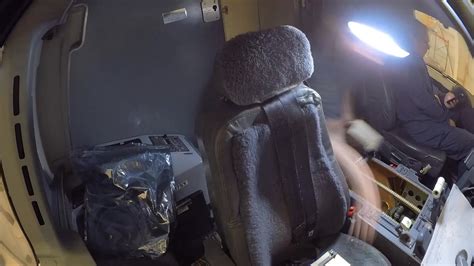
The rollout of the fix is being done opportunistically, with adjustments made during scheduled maintenance cycles, rather than pulling aircraft from service. This strategic approach ensures that no flights are canceled or delayed due to the retrofit process, preserving United’s operational reliability during the busy summer travel season.
While United aims to fully restore Starlink across the affected aircraft in the coming weeks, the timeline remains fluid. For now, hundreds of passengers who expected high-speed connectivity on regional routes will experience a return to connectivity silence—at least temporarily.
A Broader Rollout Still on Track
Despite this hiccup, United remains committed to its ambitious goal of offering free, high-speed satellite Wi-Fi across its entire regional fleet. The airline has plans to equip an additional 40 E175s with Starlink this month, followed by the CRJ-550 regional jet fleet in the near future.

United’s ultimate objective is to complete the Starlink rollout across all dual-class United Express regional jets—which include the E175 and CRJ-550—by the end of the year. This initiative is part of United’s broader commitment to enhancing the passenger experience, providing seamless and reliable connectivity from gate to gate.
Free Connectivity, Big Expectations
The decision to partner with Starlink, a service developed by SpaceX, marked a bold move in the commercial aviation space. With a promise of free Wi-Fi access for all MileagePlus members and support for multiple devices, United set a new standard in passenger connectivity. The offering was poised to outpace existing inflight solutions in both speed and reliability, especially on short-haul and regional routes that have historically lagged in connectivity quality.
The first revenue flights utilizing Starlink technology took off in mid-May, less than a year after the initial announcement. These early deployments represented not only a significant technical achievement but also a marketing win for the carrier. United became one of the first major U.S. airlines to fully embrace Starlink for onboard connectivity, leveraging SpaceX’s rapidly expanding constellation of low Earth orbit satellites.
Passenger Impacts: A Bumpy Experience for Early Adopters
Unfortunately, the timing of the shutdown coincides with the peak summer travel season, a critical period for demonstrating the value of the Starlink upgrade to passengers. Travelers on routes served by the E175s with disabled Starlink will find themselves without the promised high-speed connection, potentially souring the initial perception of the service.
However, United has been transparent in its communications and continues to assure customers that the fix is in progress and will be completed as swiftly as possible. The airline’s decision to prioritize safety and operational continuity over rushing an incomplete solution may ultimately bolster customer trust, even amid short-term setbacks.
Looking Ahead: Starlink’s Role in the Future of Inflight Connectivity
While this early turbulence may seem like a setback, the overall trajectory for Starlink in aviation remains strong. The low latency and high bandwidth potential of Starlink satellites offer transformative possibilities for commercial airline connectivity, particularly on regional aircraft that previously suffered from limited or unreliable internet options.
As more airlines look to elevate their inflight offerings, the success—or failure—of United’s Starlink initiative will serve as a bellwether for the broader industry. Competitors will be closely watching United’s rollout, response to technical issues, and passenger feedback as they consider similar integrations.
United’s steadfast approach in managing the current interference issue, while continuing its investment in infrastructure and customer experience, suggests a long-term vision that goes beyond this immediate hurdle. The ability to recover swiftly from technical challenges, maintain flight schedules, and keep customers informed are all hallmarks of a forward-looking airline strategy.
Final Thoughts: A Minor Stall on the Path to Sky-High Connectivity
The temporary suspension of Starlink Wi-Fi on United’s regional jets highlights both the complexity of aviation technology integration and the inevitability of roadblocks in any ambitious digital transformation. While passengers may experience short-term frustration, the overarching plan to provide free, fast, and reliable satellite internet aboard all United Express dual-class jets remains intact.
As fixes are implemented and more aircraft come back online, United appears well-positioned to lead the pack in reshaping what passengers expect from inflight connectivity. In the near future, the static heard on pilot radios may become just a brief footnote in the story of how Starlink revolutionized flying in the U.S.