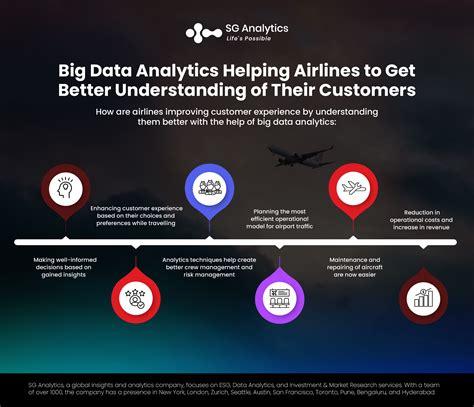
Airline Data Analytics is no longer a secondary function in the aviation ecosystem—it is the very architecture that underpins the modern airline industry. From revenue optimization to flight safety, route planning, and real-time decision-making, the future of aviation hinges on how deeply data is embedded across airline functions. With the global aviation analytics market projected to surpass USD 4.36 billion by 2028, the trajectory for data-driven transformation is not speculative—it is inevitable.
The Post-COVID Reset and Data’s Strategic Role
The COVID-19 pandemic delivered an industry-wide reset, exposing legacy fragilities while simultaneously creating fertile ground for innovation. Airlines re-evaluated assumptions around demand forecasting, network resilience, and cost structures. The rise in leisure travel, flexible work models, and revenge spending introduced a seismic shift in passenger behavior. These behavioral changes, coupled with advancements in single-aisle aircraft technology, opened up secondary markets like Eastern Europe, Central Asia, and parts of South America.
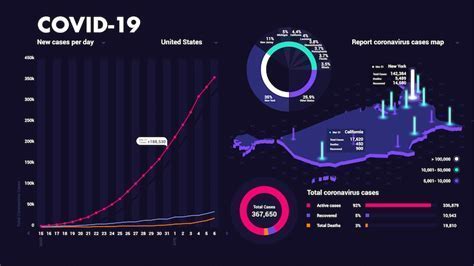
Airlines responded by embedding analytics platforms at the heart of operational strategy. With New Distribution Capability (NDC) protocols gaining ground, the control of pricing, ancillary product bundling, and customer personalization is no longer guesswork—it’s algorithmically defined. These capabilities are underpinned by real-time data ingestion, relational databases, and predictive intelligence.
How Data Powers Airline Core Operations
Data analytics is not a one-dimensional tool; it infiltrates every aspect of airline operations. Revenue management, fleet maintenance, risk mitigation, and customer experience are all empowered by continuous data flow.
Revenue Management
By analyzing historical flight performance, booking windows, and market elasticity, airlines dynamically set prices to capture maximum yield. Algorithms adapt to changes in competitor pricing, seasonality, and search behavior, ensuring no seat is undervalued or unsold.
Route Optimization and Network Planning
Airlines harness market intelligence, passenger intent signals, and load factor data to reconfigure their networks. Using predictive analytics, airlines can simulate demand for new city pairs, especially those opened up by fuel-efficient aircraft capable of longer-haul flights from tier-2 hubs.
Predictive Maintenance
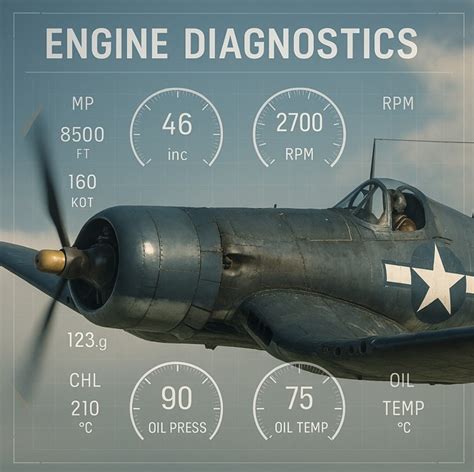
A modern aircraft generates terabytes of data per flight. Sensor telemetry, engine diagnostics, and airframe stress markers are monitored in real-time. Predictive maintenance models identify component fatigue long before failure occurs, ensuring aircraft are pulled from service only when necessary, minimizing downtime.
Safety and Risk Management
Safety remains non-negotiable in aviation. By ingesting weather data, incident reports, and operational anomalies, airlines deploy risk models to preempt hazards. AI identifies trends invisible to human analysts—ranging from runway excursion probabilities to mid-air conflict resolutions.
Demand Forecasting
Accurate demand forecasting allows airlines to match capacity to anticipated load. Airlines simulate demand fluctuations using historical booking curves, economic indicators, and external stimuli like global events or viral destinations. The result: optimal fleet deployment and staffing.
The Emergence of Alternative Data
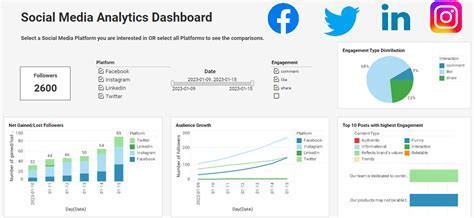
The new frontier in aviation analytics is alternative data—defined by Investopedia as information from non-traditional sources. Airlines now integrate insights from social media, credit card transactions, geolocation data, and even search engine queries.
This data reveals:
-
Passenger intent before purchase behavior.
-
Trending destinations driven by influencers or events.
-
Real-time competitive positioning across booking platforms.
For instance, if a coastal city surges in Instagram activity, that spike may indicate a latent travel trend. Airlines can react by deploying seasonal service or ramping up digital advertising. These insights were previously unattainable with traditional airline data sets.
Breaking Down the Silo: Cloud Integration and Unified Platforms
Traditional airline data systems—while vast—are siloed and operationally rigid. Flight schedules, pricing systems, baggage handling data, and crew rostering often exist in separate architectures. This fragmentation impairs decision velocity and creates conflicting KPIs across departments.
The solution is cloud-based integration. Platforms like Flight Info Direct, powered by Snowflake, have enabled data centralization. Airlines can now layer:
-
Traditional datasets (e.g., O&D traffic, fare filings)
-
Real-time feeds (e.g., weather, delays, social sentiment)
-
Operational KPIs (e.g., OTP, turnaround time, fuel consumption)
With such infrastructure, functional teams gain a single source of truth, enabling quicker decision loops, reduced manual effort, and cross-functional alignment.
Real-Time Decision Making at Scale
Airlines are embracing streaming data to refine operational responses. Flight disruptions, once a customer relations disaster, can now trigger automated workflows. From automatic rebooking scripts to predictive crew assignments, the reliance on static timetables is fading.
Real-time data enhances:
-
Gate assignment optimization
-
Passenger notification systems
-
Baggage tracking visibility
-
Dynamic fuel loading

The velocity and scale of real-time analytics improve CX (Customer Experience) while also trimming operational costs. The result is an airline that adapts like a digital-native enterprise.
Unified Data Teams: Reshaping Airline Org Structures
The analytics revolution is forcing airlines to reshape internal teams. Rather than isolated BI units, modern airlines are building cross-functional data squads that span revenue, ops, marketing, and product development.
Key outcomes of integrated data teams:
-
Faster product iterations (e.g., new fare classes, loyalty perks)
-
Consistent KPI measurement
-
On-demand self-serve dashboards for line managers
-
Scalable AI model training for predictive tasks
This shift accelerates transformation by eliminating internal bottlenecks and democratizing data across job functions.
Strategic Partnerships: The New Standard for Data Maturity
Transforming an airline’s data capability from legacy-bound to future-ready is not trivial. It involves migrating massive datasets, retraining staff, and recalibrating KPIs. For many carriers, partnering with experienced data intelligence firms like OAG provides a faster path to maturity.
OAG’s role includes:
-
Data normalization across formats and feeds
-
APIs tailored for airline-specific use cases
-
Historical data access for trend modeling
-
Secure cloud hosting and compliance assurance
Trusted by over 900 global airlines, OAG provides not just data, but the expertise required to transform that data into competitive advantage. As volatility becomes a permanent fixture in aviation, the need for such partnerships grows more urgent.

FAQs
What is airline data analytics used for?
Airline data analytics is used to optimize operations, enhance passenger experiences, increase revenue, and ensure safety. It helps airlines dynamically adjust pricing, predict maintenance needs, plan routes, and evaluate customer behavior for more personalized services.
How do airlines use alternative data?
Airlines use alternative data like social media trends, online search behavior, and weather forecasts to uncover hidden patterns. This enables them to anticipate demand, identify viral destinations, and refine marketing strategies for better ROI.
Why is real-time data critical for airline operations?
Real-time data enables airlines to respond to disruptions immediately, reroute flights, rebook passengers, manage crew logistics, and notify travelers—all in the moment. It supports more agile operations and enhances both profitability and customer satisfaction.