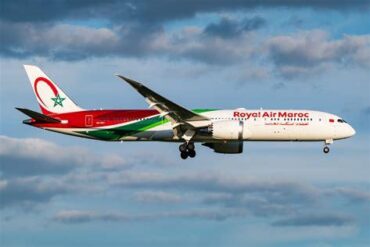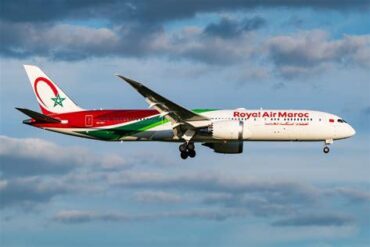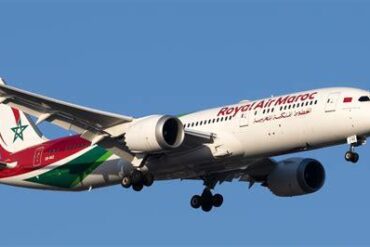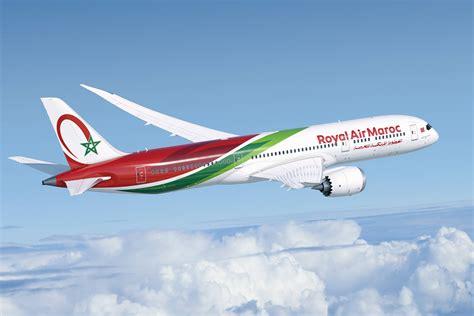
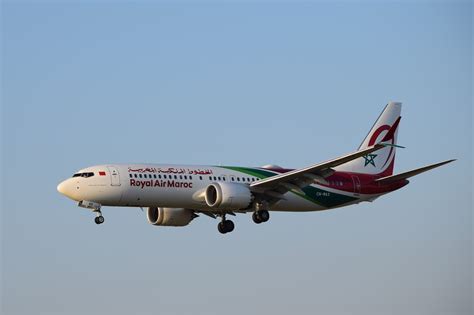
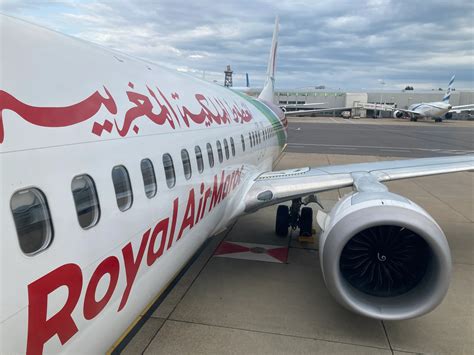
Royal Air Maroc, the esteemed national carrier of Morocco, stands as a colossus in African aviation and a proud emblem of the nation’s global reach. With its primary hub strategically positioned at Casablanca’s Mohammed V International Airport, the airline, wholly owned by the Moroccan Government, has meticulously woven a network that spans continents, connecting Africa, Asia, Europe, and the Americas. As the country’s largest airline, Royal Air Maroc, often abbreviated as RAM, not only facilitates vital domestic links but also serves as a critical bridge for international travellers and commerce. Its journey, initiated in the mid-20th century, reflects a rich tapestry of growth, innovation, and unwavering commitment to service, culminating in its prestigious entry into the Oneworld alliance in April 2020, further solidifying its global standing. The airline’s distinctive green and red livery, echoing the Moroccan flag, is a familiar sight at major airports worldwide, symbolizing a legacy of connecting cultures and fostering economic ties.
Forging a Nation’s Wings: The Genesis of Royal Air Maroc
The origins of Royal Air Maroc are deeply rooted in the pioneering spirit of early Moroccan aviation. The airline officially came into being in July 1953, born from the strategic merger of two existing entities: Compagnie Chérifienne de l’Air (better known as Air Atlas) and Compagnie Chérifienne de Transports Aériens Air Maroc. Air Atlas had commenced its operations in 1946, initially utilizing robust Junkers Ju 52 aircraft, while Air Maroc was founded in 1947, launching its scheduled services in 1949. This amalgamation created a more formidable aviation force, pooling resources and expertise to serve the burgeoning air transport needs of the nation. The nascent airline’s initial fleet was a diverse collection of aircraft, including six Bretagnes, four Commandos, five Douglas DC-3s, and two Languedocs. These workhorses were immediately tasked with operating the routes previously established by their predecessor companies, while also ambitiously extending Morocco’s aerial reach to key European cities such as Frankfurt, Geneva, and Paris, laying the groundwork for future international expansion.
The Royal Ascent: Early Years and Expansion (1957-1960s)
A pivotal moment in the airline’s history arrived on June 28, 1957, when it proudly adopted the distinguished name Royal Air Maroc (RAM), a title that underscored its national importance and royal patronage. Concurrently, the Moroccan government solidified its commitment by acquiring a significant 67.73% stake in the airline, cementing its status as the nation’s flag carrier. The same year marked the commencement of Hajj flights, a vital service catering to the religious travel needs of Moroccan citizens. By April 1958, Royal Air Maroc’s fleet had grown to sixteen aircraft, a testament to its rapid development. This fleet comprised four Douglas DC-4s, three Douglas DC-3s, seven Bretagnes, and two C-46 Commando aircraft. A significant leap into the jet age was signalled in May 1958 with an order for two Sud Aviation Caravelle twin-jet airliners, heralding a new era of speed and comfort for its passengers.
Further expansion of its long-haul capabilities occurred in July 1958, when RAM leased four Lockheed L-749 Constellations from Air France. These elegant, propeller-driven airliners enabled the launch of several new long-distance routes and the reopening of the coastal Oran–Oujda service. The introduction of the Constellations also allowed for the gradual withdrawal of the older DC-4s from frontline service. The airline’s network continued to grow with the addition of flights to Gibraltar in the same year. By April 1960, the fleet included one of the ordered Caravelles, making it the first jet aircraft operated by Royal Air Maroc, alongside the Constellations, DC-4s, and DC-3s. The Caravelle was swiftly deployed, beginning service on the Rabat–Bamako route in July 1961. By 1964, three Caravelles graced the RAM fleet, and a fourth was ordered late that year, underscoring the airline’s commitment to modernizing its equipment. Mohammed Al Fassi held the chairmanship in April 1965, a period when the airline employed 758 staff and its route network extensively covered North Africa, connecting it with France, Germany, Italy, Spain, and Switzerland, as well as operating key African routes like Casablanca–Dakar and Casablanca–Las Palmas. An order for a fifth Caravelle in early 1968 further solidified the jet’s role, and by 1969, all European and North African routes were exclusively served by these advanced aircraft.
Entering the Jet Age: The 1970s Transformation
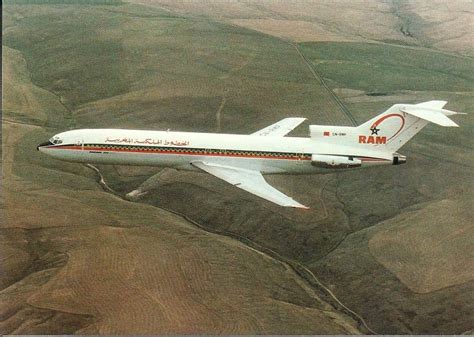
The 1970s marked a period of significant technological advancement and strategic expansion for Royal Air Maroc, firmly establishing its presence in the jet age. A landmark decision was made in 1969 when the carrier placed its first aircraft order with the American aerospace giant, Boeing. This pivotal move led to the delivery of its first Boeing aircraft, a Boeing 727-200, in 1970. This versatile tri-jet was promptly put into revenue service on May 15 of that year, significantly enhancing RAM’s operational capabilities on medium-haul routes. To cater to the growing domestic market, Royal Air Maroc established a subsidiary airline, Royal Air Inter, in early 1970. This new entity was tasked with operating domestic routes utilizing Fokker F-27 Friendship turboprop aircraft. Royal Air Inter commenced operations on April 2, 1970, and by May 1971, it was connecting key Moroccan cities including Agadir, Al Hoceima, Casablanca, Fez, Marrakesh, Oujda, Rabat, Tangier, and Tetouan. By May 1971, RAM’s mainline fleet consisted of two Boeing 727-200s, four Caravelles, and two SIAI Marchetti SF.260s, used for training purposes. The airline continued to invest in its Boeing fleet, ordering a third Boeing 727-200 in 1972 at a cost of US$8.85 million, followed by an order for a Boeing 727-200 Advanced in 1974 and another standard 727-200.
In a bold move to expand its intercontinental reach, Royal Air Maroc began negotiations with Air France in 1974 to lease a Boeing 707-320B. This iconic long-haul jetliner joined the fleet, and by March 1975, RAM operated an 11-strong fleet, including the Boeing 707, four Boeing 727-200s, four Caravelles, and two SIAI Marchetti SF.260s. A historic milestone was achieved in April 1975 when RAM utilized the leased Boeing 707 to inaugurate services to New York, making it the first Arab airline to serve this prestigious destination. The airline also diversified its fleet further in 1975 by acquiring three Boeing 737-200s, which were intended to replace the aging Caravelles. The same year saw the launch of a weekly non-stop service to Rio de Janeiro, Brazil, further extending RAM’s global footprint. The commitment to fleet modernization continued with an order for three more Boeing 727-200s in early 1976. Consequently, the four Caravelle jets were withdrawn from service and sold that year. The decade culminated with another significant fleet enhancement: the entry of a wide-body Boeing 747-200B in September 1978, affectionately known as the “Jumbo Jet,” enabling RAM to offer increased capacity on its most popular long-haul routes.
Navigating New Horizons: The 1980s
The 1980s witnessed Royal Air Maroc consolidating its operations and continuing its fleet modernization program, adapting to the evolving demands of international air travel. By July 1980, the airline’s workforce had grown to 3,583 employees. Its fleet at this juncture was a powerful combination of long-haul and medium-haul Boeing aircraft, comprising a single Boeing 747-200B, two Boeing 707-320Cs, one Boeing 707-320, seven Boeing 727-200s, and three Boeing 737-200s. An additional Boeing 727-200, ordered in January of that year, was awaiting delivery. Investment in the popular Boeing 737 continued, with an order for an additional Boeing 737-200 in 1981, valued at US$16 million. This acquisition was partly financed by a US$5 million loan from the US Export-Import Bank, with RAM and private financiers covering the remainder; delivery was scheduled for March 1982. Further enhancing its short to medium-haul capacity, Royal Air Maroc ordered two Boeing 737-200Cs in 1982 for US$33 million, with deliveries planned for March and June 1983. A significant institutional milestone was achieved late in 1982 when Royal Air Maroc joined the International Air Transport Association (IATA), aligning itself with global aviation standards and practices.
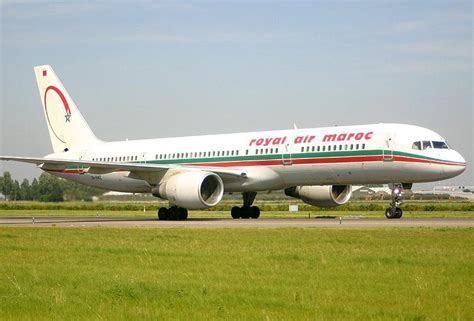
The decade also saw Royal Air Maroc become a trailblazer in African aviation. In July 1986, RAM achieved the distinction of being the first African airline to introduce the Boeing 757 into service. The Boeing 757, a twin-engine, medium-range narrow-body airliner, offered enhanced fuel efficiency and passenger comfort. The delivery flight of the first Boeing 757 to Royal Air Maroc set a remarkable record for the aircraft type, flying non-stop from Seattle, Washington, to Casablanca, a distance of 4,910 nautical miles (9,090 km or 5,650 miles), showcasing its impressive range capabilities.
Consolidation and Growth: The 1990s
The 1990s were a period of strategic fleet renewal and network refinement for Royal Air Maroc. Early in the decade, the airline phased out its venerable Boeing 707s, aircraft that had faithfully served its long-haul routes for many years. This move was part of a broader strategy to operate a more modern and fuel-efficient fleet. To bolster its European services, RAM introduced newer, more efficient Classic series Boeing 737-400 and 737-500 aircraft. These aircraft allowed for increased frequencies on popular European routes and offered improved operational economics. By the middle of the decade, the older Boeing 727s, which had been mainstays of the fleet, were also completely retired. To consolidate and enhance its North American operations, particularly services to the United States and Canada, Royal Air Maroc made a significant investment by purchasing a single Boeing 747-400. This advanced version of the iconic Jumbo Jet offered greater range, capacity, and fuel efficiency compared to its predecessors. Throughout the 1990s, the airline also strategically expanded its footprint across the African continent, opening new routes to previously underserved airports, thereby strengthening Casablanca’s position as a key connecting hub.
A New Millennium: Modernization and Strategic Shifts (2000-Present)
The dawn of the 21st century presented Royal Air Maroc with new opportunities and challenges, prompting further modernization and strategic realignments. Faced with increasing passenger numbers, an expanding route network, and the volatile nature of global oil prices, the airline recognized the imperative to invest in a new generation of aircraft. In a landmark move in 2000, RAM placed a substantial order for 20 Boeing 737 Next Generation (NG) aircraft and, diversifying its fleet suppliers, also ordered four Airbus A321s. This significant investment underscored RAM’s commitment to operating a young, efficient, and passenger-friendly fleet. Simultaneously, the airline continued its strategic focus on Africa, inaugurating more routes to burgeoning cities in West and Central Africa. This period marked a subtle but significant shift in Royal Air Maroc’s operational philosophy. While continuing to cater to the demands of foreign tourists visiting Morocco and Moroccan expatriates, the airline increasingly positioned itself as a key conduit for travel between European cities and various African destinations, leveraging its Casablanca hub for seamless connections. In 2002, to optimize its North American services, the company leased two Boeing 767-300ERs to replace the single, larger Boeing 747-400 on these routes, offering more frequency and flexibility.
A defining development occurred in late 2006 when Morocco and the European Union signed an open skies agreement. This liberalization of air traffic rights meant increased competition for Royal Air Maroc, particularly from European low-cost carriers eager to tap into the lucrative routes between Western Europe and Morocco. This new competitive landscape, coupled with the persistently high cost of kerosene, presented challenges, potentially requiring the airline to rationalize its network by dropping some unprofitable domestic and international routes. Demonstrating its continued evolution and commitment to global aviation standards, Royal Air Maroc achieved a major milestone by becoming the 14th full member of the prestigious Oneworld alliance on April 1, 2020. This membership significantly enhanced its global reach through partnerships with other leading airlines in the alliance. Looking towards an ambitious future, in June 2023, RAM’s Chief Executive Officer (CEO), Abdelhamid Addou, unveiled a substantial expansion plan. This strategy aims to more than double the size of its fleet over the next decade and introduce new international connections, particularly with new routes to Europe. Further underscoring this ambition, in October 2023, the airline announced groundbreaking plans to issue a tender for the purchase of up to 200 new aircraft within the next ten years. This massive fleet expansion is designed to meet the anticipated surge in demand driven by Morocco co-hosting the 2030 FIFA World Cup and to significantly strengthen RAM’s presence in the rapidly growing African aviation market.
Corporate Landscape: Ownership, Subsidiaries, and Governance
Royal Air Maroc operates as a state-owned enterprise, with the Moroccan government holding complete ownership. As of 2018, this ownership structure was detailed with 53.94% of shares directly held by the state, and an additional 44.10% managed through the Hassan II Fund for Economic and Social Development. A very small fraction, approximately 2%, is held by private investors, which historically included entities like Air France and Iberia. The prospect of privatizing the airline has been a recurring discussion within government circles for roughly two decades, with various proposals considered over the years. The most recent significant plan, dating from late 2012, reportedly explored the possibility of selling up to 44% of the airline’s stakes, potentially to a Gulf-based carrier, although this did not materialize. The airline’s headquarters are situated on the grounds of Casablanca-Anfa Airport in Casablanca, a historic aviation site. In 2004, plans were announced to relocate the head office to Nouaceur Province, in closer proximity to the bustling Mohammed V International Airport, with an agreement for this new headquarters signed in 2009.
The Royal Air Maroc Group has encompassed several subsidiaries over the years, reflecting its diverse aviation-related interests. Key current subsidiaries include RAM Cargo, its dedicated freight division, and Royal Air Maroc Express, its regional airline arm focusing on domestic and shorter regional routes. Atlas Aérotechnic Industries handles aircraft maintenance, and RAM Academy is involved in aviation training.
Several entities were formerly part of the RAM group. Atlas Blue, established on May 28, 2004, was RAM’s wholly-owned low-cost subsidiary. It commenced operations in July 2004, initially based in Marrakech and operating a Boeing 737-400 transferred from RAM on charter routes to France. However, Atlas Blue’s operations were integrated back into Royal Air Maroc in 2009, and the fleets were officially merged in February 2011. Another notable former subsidiary was Air Sénégal International, created in 2000 as a joint venture with the Senegalese government (which held 49%), with RAM holding the controlling 51% stake. It served as Senegal’s flag carrier until it ceased operations in April 2009. Similarly, Air Gabon International was formed in December 2005, with RAM holding a 51% stake, intended to be Gabon’s new national carrier. Other past involvements included Atlas Catering Airlines Services and Atlas Hospitality Morocco, a hotel chain, and Matis, specializing in aircraft wiring.
As of December 2018, the crucial role of Chief Executive Officer (CEO) of Royal Air Maroc is held by Abdelhamid Addou, who is spearheading the airline’s current ambitious expansion and modernization strategy.
Financial Performance and Business Strategy
Royal Air Maroc’s financial journey has been marked by periods of restructuring and strategic adaptation, particularly in response to the dynamic and often challenging aviation industry landscape. The fiscal year 2012 was a notable turning point, as the carrier achieved its best results in a decade. This positive outcome was largely attributed to comprehensive cost-cutting measures, which included a significant reduction in the workforce by 1,974 employees between June 2011 and October 2012, and a concurrent fleet renewal program aimed at improving operational efficiency. These measures successfully narrowed the net loss for that period to MAD 43 million. The restructuring efforts yielded tangible improvements in key operational metrics. For instance, the staff-to-aircraft ratio decreased substantially from 110:1 to a more efficient 58:1. Simultaneously, the ratio of passengers transported per employee saw a remarkable increase, rising from 1,054:1 to 2,329:1, indicating enhanced productivity.
In more recent years, the airline has demonstrated resilience. In 2019, prior to the global disruptions in air travel, Royal Air Maroc reported a net profit of US$51.9 million. Passenger numbers showed steady growth in the pre-pandemic era, reaching 7.3 million in both 2017 and 2018, and increasing slightly to 7.4 million in 2019. The passenger load factor, a critical indicator of an airline’s efficiency in filling seats, hovered around 72-73% during this period. Following the global pandemic’s impact, passenger numbers saw a dip but began a strong recovery, reaching 5.6 million by 2022 with a passenger load factor of 73%. The airline’s fleet size has remained relatively stable in recent years, around 50-60 aircraft, though significant expansion is planned. The airline’s turnover also reflected its operational scale, for example, being MAD 13.7 billion in 2008 and MAD 13.443 billion in 2010. These figures underscore RAM’s significant economic footprint and its ongoing efforts to balance growth with sustainable financial performance in a competitive global market.
Connecting Continents: Royal Air Maroc’s Global Network
Royal Air Maroc boasts an extensive and strategically developed route network, solidifying its role as a key connector between continents. With its primary operational hub firmly established at Mohammed V International Airport (CMN) in Casablanca, the airline leverages Morocco’s geographical advantage at the crossroads of Europe, Africa, and the Americas. As of November 2023, Royal Air Maroc served an impressive 89 destinations across 45 countries, operating 134 distinct routes. This expansive network includes a comprehensive domestic system linking major Moroccan cities, alongside a robust schedule of international flights. The airline maintains a strong presence in Africa, serving numerous capitals and commercial centers across the continent. Europe is another cornerstone of its network, with frequent flights to major cities in France, Spain, Italy, Germany, the United Kingdom, and beyond. Furthermore, Royal Air Maroc operates long-haul services to North America, including destinations in the United States and Canada, and to South America. Its Asian network also connects Morocco to key points in the Middle East. In addition to its scheduled services, RAM operates occasional charter flights, notably for Hajj and Umrah pilgrimages. Key focus cities within Morocco, supplementing the Casablanca hub, include Marrakesh Menara Airport (RAK) and Tangier Ibn Battouta Airport (TNG), which support point-to-point traffic and cater to significant tourism and business flows.
Strategic Alliances: Codeshare Partnerships and Oneworld Membership
To broaden its global reach and offer passengers a more seamless travel experience, Royal Air Maroc has actively pursued strategic alliances and codeshare agreements with a diverse range of international airlines. A landmark achievement in this domain was its formal accession to the Oneworld alliance on April 1, 2020. Becoming the first African airline to join Oneworld as a full member significantly enhanced RAM’s connectivity, allowing its passengers to benefit from the extensive networks of partner airlines such as American Airlines, British Airways, Qatar Airways, Iberia, and others. This membership provides reciprocal benefits for frequent flyers, including lounge access and mileage earning and redemption opportunities across the alliance.
Beyond its Oneworld commitments, Royal Air Maroc maintains individual codeshare agreements with several carriers. These partnerships allow RAM to market flights operated by partner airlines under its own ‘AT’ flight code, effectively expanding its network without deploying its own aircraft. Notable codeshare partners include American Airlines, Brussels Airlines, British Airways, Etihad Airways, Iberia, ITA Airways, JetBlue, Kenya Airways, Mauritania Airlines, Qatar Airways, S7 Airlines, Saudia, TAAG Angola Airlines, and Turkish Airlines. These agreements are instrumental in strengthening RAM’s presence in key markets and offering passengers greater choice and convenience in their travel planning.
Rewarding Loyalty: The Safar Flyer Programme
Royal Air Maroc values its loyal customers and rewards their patronage through its dedicated frequent flyer programme, Safar Flyer. This program is designed to offer a range of benefits and privileges to passengers who frequently choose to fly with RAM and its partners. Members of Safar Flyer can earn miles based on the distance flown and the fare class of their ticket. These accumulated miles can then be redeemed for a variety of rewards, including award tickets on Royal Air Maroc, its subsidiary Royal Air Maroc Express, and its partner airlines. Beyond flights, Safar Flyer miles can also be used for cabin upgrades, excess baggage allowances, and other travel-related services. The program features tiered membership levels – typically Blue, Silver, Gold, and Platinum (or Ambassador) – with each successive tier offering enhanced benefits such as priority check-in, priority boarding, additional baggage allowance, and access to airport lounges. As of early 2013, cardholders could earn and redeem miles with partner airlines like Iberia, Etihad Airways, and Qatar Airways, in addition to benefits from partner hotels and car rental companies, further enhancing the value proposition of the Safar Flyer programme.
The Backbone of the Airline: Royal Air Maroc’s Modern Fleet
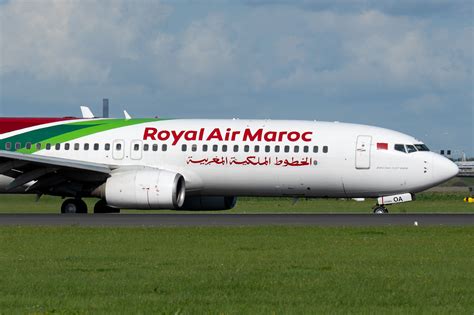
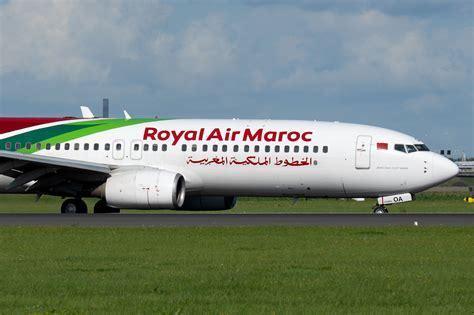
Royal Air Maroc operates a diverse and increasingly modern fleet, primarily centered around Boeing aircraft, to serve its extensive network of domestic, regional, and international destinations. As of December 2024, the mainline fleet is a testament to its ongoing modernization efforts. The workhorse of its medium-haul operations is the Boeing 737-800, with 28 of these versatile narrow-body jets in service. These aircraft typically feature a two-class configuration, accommodating around 12 passengers in Business Class and 147 in Economy. Complementing these are the newer, more fuel-efficient Boeing 737 MAX 8 aircraft. RAM currently operates two 737 MAX 8s, with an additional 10 on order, signaling a strong commitment to this advanced type. The 737 MAX 8s are configured with 12 Business Class seats and 144 Economy Class seats. Deliveries of the new MAX aircraft are expected to continue from 2024 onwards.
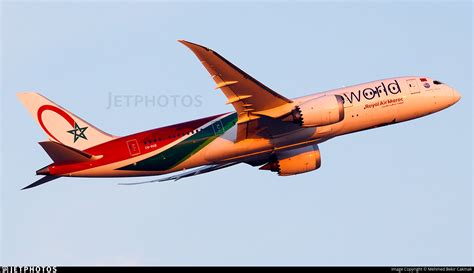
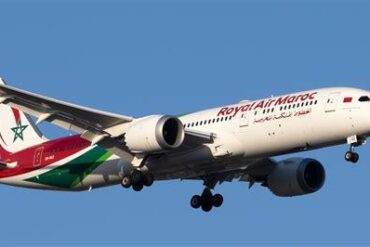
For its long-haul intercontinental routes, Royal Air Maroc relies on the state-of-the-art Boeing 787 Dreamliner family. The fleet includes five Boeing 787-8 Dreamliners, each configured with 18 Business Class seats and 256 Economy Class seats, offering a total capacity of 274 passengers. Further enhancing its long-haul capacity and passenger experience, RAM operates six larger Boeing 787-9 Dreamliners. These aircraft provide 26 lie-flat seats in Business Class and 276 seats in Economy Class, for a total of 302 passengers. The Dreamliners are renowned for their passenger comfort features, including larger windows, improved cabin air quality, and enhanced fuel efficiency. Completing the mainline fleet are four Embraer E190 regional jets, which are deployed on shorter routes and to destinations with moderate demand. These aircraft are configured with 12 Business Class seats and 84 Economy Class seats. In total, as of late 2024, the Royal Air Maroc fleet comprised 51 aircraft, with significant orders in place for future growth. This includes a notable long-term lease contract signed in August 2023 with Air Lease Corporation for five Boeing 737 aircraft, comprising four new Boeing 737 MAX 8s and one Boeing 737-800, all expected for delivery in 2024.
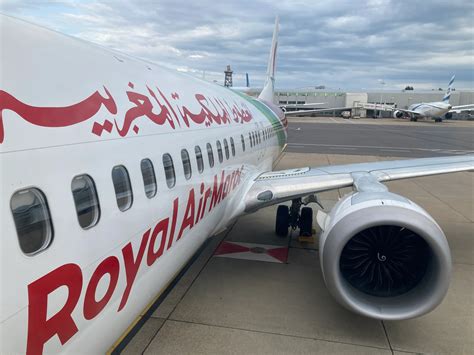
Historically, RAM’s fleet has seen significant evolution. The airline became the first scheduled carrier outside the United States to take delivery of the Boeing 737-800 in July 1998. It also operated Airbus A321s, acquired in 2001, and its first Boeing 767-300ER was delivered in January 2002. The iconic Boeing 747-400 served its long-haul routes until its retirement in September 2018. The first Boeing 787 Dreamliner was delivered in December 2014, marking a new era for its intercontinental services. RAM was also the launch customer for the ATR 72-600 turboprop, which primarily served its regional subsidiary, RAM Express.
Ambitious Skies: Future Fleet and Expansion Plans
Royal Air Maroc is poised for a period of unprecedented growth and transformation, underpinned by ambitious fleet expansion and network development strategies. The airline’s leadership has clearly articulated a vision to significantly enhance its operational scale and global reach in the coming years. In June 2023, CEO Abdelhamid Addou announced that the airline was finalizing a call for tenders for the acquisition of new long-haul and medium-haul aircraft. This initiative is driven by the dual objectives of catering to the anticipated surge in tourism to Morocco and strengthening Casablanca’s role as a premier aviation hub for sub-Saharan Africa. He indicated that RAM plans to raise debt to help finance these substantial acquisitions. This strategic fleet renewal and expansion is not merely about numbers; it’s about equipping Royal Air Maroc with the next generation of fuel-efficient and passenger-friendly aircraft to compete effectively on the global stage. Earlier, in June 2013, the CEO had already signaled the need for 20 to 30 new aircraft by 2020, with the Boeing 787 favored for long-haul, and various narrow-body options like the Airbus A220, A320neo, Boeing 737 MAX, and Embraer E-Jet E2 families being considered for medium-haul routes. The subsequent orders for 787s and 737 MAX aircraft were steps in this direction.
The most striking declaration of intent came in October 2023, when Royal Air Maroc unveiled plans to issue a tender for the purchase of up to 200 new aircraft over the next decade. This monumental fleet expansion is strategically timed to align with Morocco’s co-hosting of the 2030 FIFA World Cup, an event expected to draw millions of visitors to the country. Beyond this major sporting event, the expanded fleet will empower RAM to aggressively pursue growth opportunities in the burgeoning African aviation market, enhance its connectivity to Europe, the Americas, and Asia, and solidify its position as a leading carrier in the region. This forward-looking strategy reflects a bold commitment to the future of Moroccan aviation and its role in national development.
A Legacy in Aviation: Notable Aircraft Previously Operated
Throughout its rich history spanning over seven decades, Royal Air Maroc has operated a diverse array of aircraft types, reflecting the technological advancements in aviation and the evolving needs of its network. Each aircraft played a crucial role in the airline’s journey, from its nascent stages to its current status as a major international carrier. Some of the notable aircraft that have graced the RAM livery in the past include:
- Airbus A310-300
- Airbus A321-200
- Airbus A330-200
- ATR 42-300 (primarily for RAM Express)
- Boeing 707 (various series including -120B, -320, -320B, -320C)
- Boeing 720B
- Boeing 727-200
- Boeing 737-200 (including -200C)
- Boeing 737-300F (Cargo)
- Boeing 737-400
- Boeing 737-500
- Boeing 737-700
- Boeing 747 (various series including -100, -200B, -300, -400, SP)
- Boeing 757-200
- Boeing 767-300ER
- Sud Aviation Caravelle (III and VI-R)
- Douglas C-47 Skytrain (DC-3) and its variants (C-47A)
- Douglas C-54 Skymaster (C-54A, C-54B)
- Fokker 100
- Lockheed L-749 Constellation
- SO Bretagne
- Curtiss C-46 Commando
- SNCASE Languedoc
This list highlights the transition from early propeller-driven aircraft to first-generation jets, and subsequently to more modern and efficient Boeing and Airbus types, mirroring the broader trends in global aviation history.
Safety and Operational Record
Royal Air Maroc, like many long-established airlines, has experienced incidents throughout its extensive operational history. The airline is committed to upholding rigorous safety standards in line with international aviation regulations. Among the recorded fatal accidents, one occurred on April 1, 1970, when a Sud Aviation Caravelle III crashed on approach to Nouasseur Airport near Casablanca, resulting in 61 fatalities out of 82 people on board. Another tragic event took place on December 22, 1973, involving a leased Caravelle VIN, which crashed into mountainous terrain near Tangier Airport, leading to the loss of all 106 passengers and crew. On August 3, 1975, a Boeing 707-321C, leased by RAM, crashed into the Atlas Mountains while approaching Agadir, resulting in 188 fatalities. A particularly notable incident was Royal Air Maroc Flight 630 on August 21, 1994, where an ATR 42-300 crashed shortly after takeoff from Agadir. Investigations controversially concluded that the crash, which killed all 44 people on board, was a deliberate act by the pilot. There have also been non-fatal hull losses, such as an undercarriage collapse of a Douglas C-47A in 1958 and a nosegear collapse of a Boeing 737-400 in 2003. These events, while tragic, are part of a long operational history, and the airline continuously works to enhance its safety protocols and training.
A Beacon of Moroccan Pride: The Enduring Journey of Royal Air Maroc
From its humble beginnings in the mid-20th century to its current stature as a globally recognized carrier and a proud member of the Oneworld alliance, Royal Air Maroc has charted an impressive course through the skies. More than just an airline, RAM is a symbol of Moroccan ambition, a vital economic engine, and a bridge connecting Morocco to the world and the world to Morocco. With a rich heritage intertwined with the nation’s own development, Royal Air Maroc has consistently adapted, modernized, and expanded, navigating the complexities of the aviation industry with resilience. As it embarks on an ambitious new chapter of unprecedented fleet growth and network expansion, driven by events like the 2030 FIFA World Cup and the burgeoning African market, Royal Air Maroc is set to soar to even greater heights, carrying the spirit of Morocco across continents for decades to come.