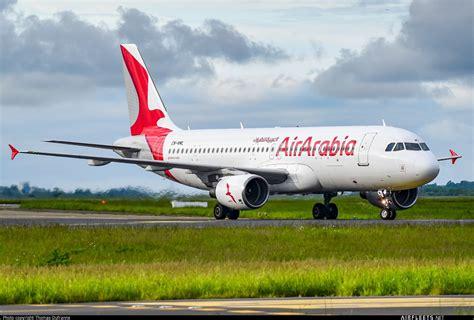
A routine international flight into London Gatwick Airport turned into an active police investigation after authorities discovered a deceased individual inside the landing gear compartment of an Air Arabia Maroc Airbus A320 shortly after the aircraft arrived from Morocco. The incident has once again drawn attention to the extreme dangers associated with wheel-well stowaways and the security challenges airports face in preventing unauthorized access to aircraft.
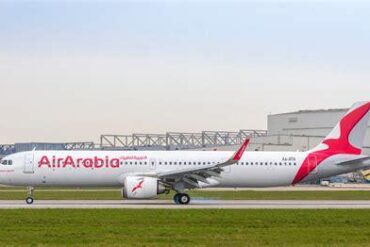
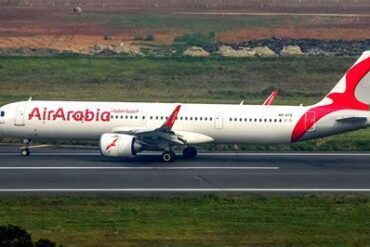
The discovery was made on June 16 after Air Arabia Maroc flight 3O102 completed its scheduled journey from Tangier Ibn Battouta Airport to London Gatwick. Operated by Airbus A320 registration CN-NMH, the aircraft landed normally before emergency services were called at approximately 11:45 a.m. local time. What should have been a standard short-haul operation quickly became the focus of a criminal and aviation investigation.
The route between Tangier and London covers around 1,100 miles and generally requires approximately three hours in the air. Authorities reportedly found the body after the aircraft reached its parking position, prompting an immediate response from airport personnel and Sussex Police. Officials have not released the identity of the deceased while inquiries continue into how the individual gained access to the aircraft before departure.
Air Arabia Maroc confirmed that an incident had been identified upon arrival and stated that the relevant authorities were notified immediately. The aircraft later returned to service and completed its subsequent flight after experiencing delays caused by investigative procedures.
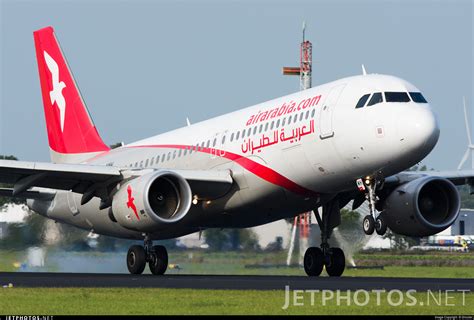
Fatal Discovery Inside Airbus A320 Landing Gear Compartment
Investigators believe the individual had concealed themselves within the landing gear bay before departure from Morocco. Although wheel-well stowaway cases are exceptionally uncommon, they are among the most dangerous forms of unauthorized travel because commercial aircraft are not designed to support human survival outside the pressurized cabin.
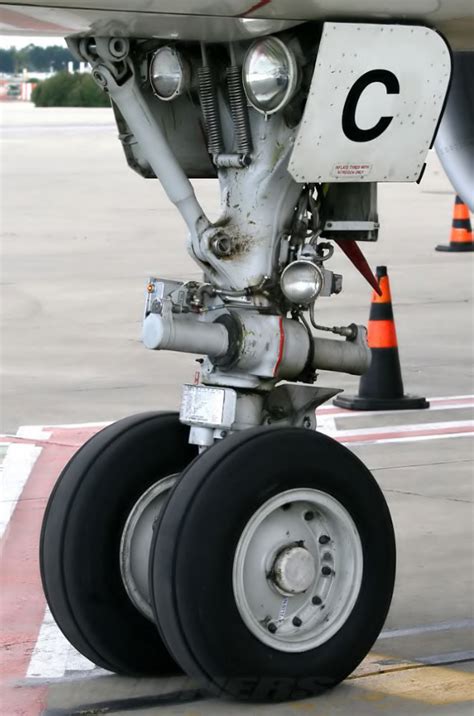
The Airbus A320 climbed to normal cruising altitude during the flight. Passenger cabins are maintained at comfortable pressure and temperature levels, but the wheel well remains exposed to severe environmental conditions. The compartment contains hydraulic systems, structural components, and retracting landing gear mechanisms, leaving virtually no protection against the elements.
Authorities are now examining the circumstances surrounding the incident, including how the person may have reached the airfield and accessed the aircraft without detection. Security reviews often follow such events because they raise concerns regarding perimeter integrity, surveillance systems, and access-control procedures.
Extreme Conditions Make Survival Nearly Impossible
Commercial aircraft typically cruise between 30,000 and 40,000 feet, where outside temperatures can plunge to between -50°C and -65°C. Such conditions expose anyone inside a landing gear compartment to extreme cold capable of causing fatal hypothermia within a relatively short period.
Another major threat is the lack of oxygen. At high altitude, atmospheric pressure decreases significantly, reducing the amount of oxygen available to the body. This can result in hypoxia, a potentially deadly condition that causes confusion, impaired judgment, unconsciousness, and ultimately organ failure. Without supplemental oxygen and pressurization, prolonged survival becomes extraordinarily unlikely.
Mechanical hazards also pose serious risks. Shortly after takeoff, the aircraft’s landing gear retracts into confined spaces inside the fuselage. Moving wheels and hydraulic assemblies dramatically reduce available space, creating the possibility of severe crushing injuries during normal operation.
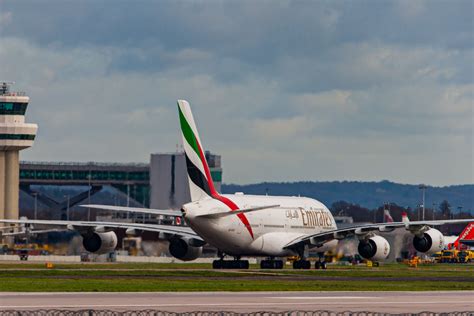
Airport Security Questions Under Investigation
Incidents involving stowaways generally trigger extensive investigations involving law enforcement agencies and aviation authorities. Officials attempt to determine where and when the person entered restricted areas and whether any security vulnerabilities were exploited.
Modern airports employ multiple layers of protection, including perimeter fencing, cameras, access checkpoints, and airside patrols. Despite these measures, isolated breaches occasionally occur, particularly at busy international facilities handling thousands of aircraft movements each week.
While investigators continue their work, authorities are expected to assess whether additional procedures are necessary to prevent similar incidents. Such reviews are standard following any unauthorized access event involving commercial aircraft.
Rare Cases Continue To Concern Aviation Experts
Historical studies indicate that wheel-well stowaway incidents remain rare when compared with the enormous volume of global airline traffic. Research conducted by the Civil Aerospace Medical Institute documented 96 known cases worldwide between 1947 and 2012, with only 23 individuals surviving the ordeal.
Although survival is possible under very specific circumstances, experts emphasize that the environment inside a wheel well is fundamentally incompatible with human life. The combination of freezing temperatures, oxygen deprivation, and moving mechanical systems creates conditions that are overwhelmingly fatal.
Airbus A320 Family Continues To Dominate Short-Haul Aviation
The Airbus A320 family remains one of the most successful commercial aircraft programs ever developed. Since entering service in 1988, the type has become a cornerstone of short- and medium-haul operations around the world. More than 19,000 aircraft have been ordered, with over 12,000 delivered to airlines globally.
Air Arabia Maroc currently operates a fleet of ten Airbus A320 aircraft, serving destinations across Europe and North Africa. Thousands of A320-family flights depart every day, transporting millions of passengers safely through highly regulated systems designed to protect both travelers and aircraft operations.
The tragedy at London Gatwick serves as a stark reminder of the lethal conditions that exist outside the pressurized cabin and highlights the continuing importance of robust airport security and vigilance throughout the aviation industry.