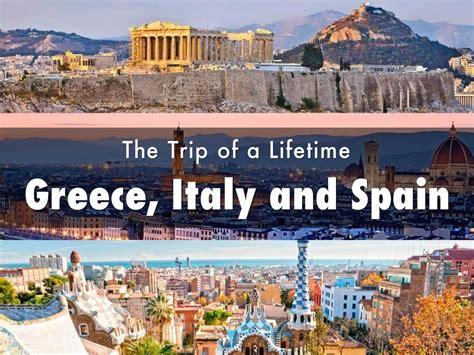
As tourism continues to flourish in Spain, Greece, and Italy, local communities face an escalating challenge: balancing the economic advantages of a booming tourism sector with the preservation of their quality of life. Residents in these countries increasingly demand respect for their communities amidst growing tensions that arise from mass tourism. While the influx of visitors brings substantial economic benefits, it also leads to significant disruptions, prompting calls for sustainable tourism practices that prioritize both cultural heritage and community well-being.
The picturesque landscapes and rich histories of Spain, Greece, and Italy have made them perennial favorites among travelers from around the world. However, as the number of tourists swells, local residents often find themselves at odds with the very industry that supports their economy. Overcrowded streets, excessive noise, and disruptive behavior have become common complaints, leading to a growing movement advocating for greater respect and sustainable practices in tourism.
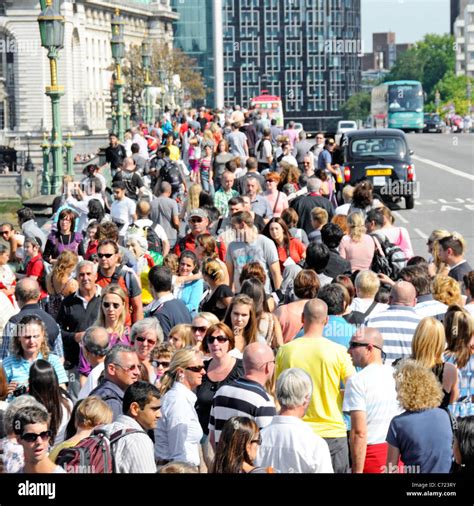
A recent incident in Greece exemplifies this struggle. A video circulating on social media shows a group of tourists singing loudly while strolling through a quiet neighborhood, oblivious to the disturbance they were causing. This scene is not isolated but rather indicative of a broader trend that has locals increasingly frustrated with visitor behavior. Many residents have expressed that such actions reflect a lack of awareness and respect for the peaceful atmosphere that defines their communities.
Tourism is undeniably crucial to Greece’s economy. The World Travel and Tourism Council reports that the sector accounted for nearly 20% of Greece’s GDP in 2020, a figure that has likely grown in the years since as international travel rebounded post-pandemic. The influx of tourists supports thousands of jobs in hospitality, retail, and various industries, thereby significantly contributing to the national economy. However, the consequences of mass tourism are becoming more apparent, particularly in hotspots like Athens, Santorini, and Mykonos.
Residents in these areas have voiced their frustrations about the social and cultural disruptions that accompany increasing visitor numbers. As the traditional character of these locations becomes overshadowed by commercial development designed to cater to tourists, the local population grapples with rising costs of living and pressure on essential services. The challenge lies in finding a balance between reaping economic rewards and preserving the unique identity and way of life of local communities.
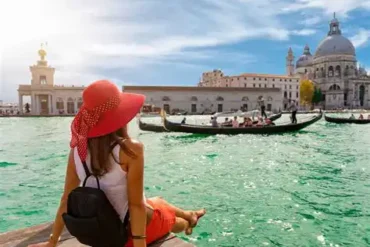
This situation is not unique to Greece; Spain and Italy face similar predicaments. In cities like Venice, Barcelona, and Dubrovnik, locals have spoken out against the negative impacts of mass tourism on their quality of life. The rise in disruptive behaviors, such as those highlighted in the viral video, has prompted authorities to consider stricter regulations. Many popular destinations are now looking to implement measures aimed at curbing the overconsumption of their cities and landscapes, including limits on tourist numbers at specific sites, tourist quotas, and enforcing curfews in heavily visited areas.
In Greece, the pressure of tourism is most acutely felt during the summer months, when the number of visitors can swell to more than double the local population. This surge creates logistical challenges in areas like the Athenian Riviera and the popular islands. Locals often face overcrowded streets, packed beaches, and lengthy waits at restaurants and attractions, making it increasingly difficult to maintain their daily routines. Furthermore, the influx of tourists results in elevated noise levels, littering, and other forms of antisocial behavior, all of which contribute to rising tensions between residents and visitors.
In places like Mykonos and Santorini, the high demand for luxury accommodations and fine dining has caused property prices to soar, making it increasingly difficult for locals to afford to live in their own communities. Longtime residents are being priced out, leading to an exodus of those who can no longer sustain their livelihoods amid skyrocketing costs driven by tourism. This phenomenon is compounded by the strain placed on public services, such as waste management, public transportation, and medical care, which are often overwhelmed during peak tourist seasons.
Despite these challenges, Greece remains committed to finding ways to balance the economic benefits of tourism with the needs of its residents. Some measures have already been implemented in response to growing frustration. For instance, Santorini has introduced limits on the number of cruise ships allowed to dock on the island at any given time. In Athens, policies are being enacted to limit tourist access to certain historical sites during peak hours to alleviate congestion and preserve the integrity of the city’s landmarks.
Moreover, the Greek government is promoting more sustainable forms of tourism to mitigate the pressures of mass tourism on the most visited areas. Encouraging travelers to explore less popular destinations, such as Crete and the Peloponnese, which are not as heavily affected by large crowds, is part of this initiative. By diversifying tourism across a broader range of locations, Greece hopes to reduce the strain on its most popular spots while still benefiting from the economic advantages that tourism brings.
As tourism continues to grow in Spain, Greece, and Italy, local frustrations mount over the disruptive behavior exhibited by some tourists. Residents are increasingly vocal about their demands for a balance between the economic benefits of tourism and the quality of life they cherish. The call for sustainable tourism practices is louder than ever, as communities seek to protect their cultural heritage and natural beauty from the adverse effects of mass tourism.
In the long term, implementing sustainable tourism strategies that prioritize the well-being of both visitors and residents is essential for preserving the rich cultural tapestry of Greece and its neighboring countries. Achieving a harmonious coexistence between tourists and locals will require concerted efforts from governments, tourism boards, and the tourists themselves. By fostering a culture of respect and understanding, these nations can ensure that both locals and visitors can enjoy the benefits of tourism without compromising the integrity of their communities.
As Greece, Spain, and Italy look toward the future, the key challenge remains: how to harmonize economic growth with the preservation of local life. Only through thoughtful engagement and sustainable practices can these beloved destinations continue to thrive for generations to come.