Fari Campus: A New Model for Staff Well-Being
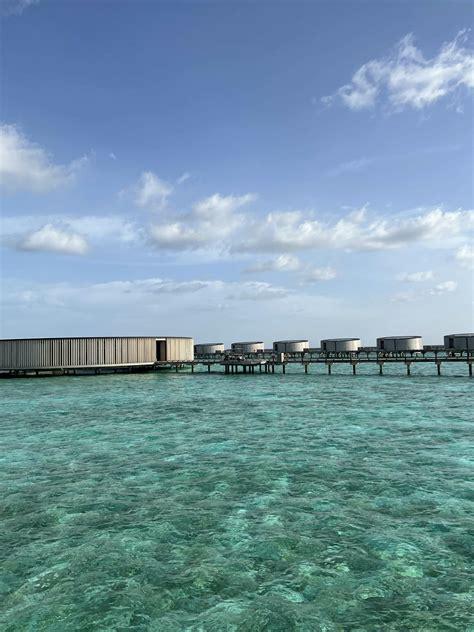
Fari Campus was meticulously designed to enhance the living conditions of those who play a vital role in delivering luxury hospitality in the Maldives. Historically, resort employees have endured shared dormitories in tight quarters, far removed from the stunning landscapes that guests enjoy. In stark contrast, the Fari Campus offers a dedicated space for these employees, featuring modern amenities, green spaces, and a supportive community environment.
Situated near luxury resorts like Patina Maldives and The Ritz-Carlton Maldives, the campus goes beyond basic accommodation. It fosters a balanced work-life atmosphere, providing employees with ample opportunities to relax, learn, and engage in recreational activities. Staff can unwind at the soccer field, participate in community farming initiatives, pray at the mosque, or explore snorkeling areas — all luxuries that were previously out of reach.
Sustainable Living and Eco-Conscious Design
At the core of Fari Campus’s philosophy is a staunch commitment to sustainability. The island was constructed using eco-friendly materials, prominently including mass-engineered timber (MET), which minimizes production emissions and waste. This thoughtful choice also helps prevent harmful runoff into the pristine waters surrounding the Maldives. The architectural design features flat-roofed villas specifically built to accommodate solar panels, positioning the Fari Islands as one of the largest contributors to solar energy in the nation.
Moreover, the dedication to sustainability extends beyond the physical structures. The resorts operating within the Fari Islands have invested significantly in reducing their environmental footprints. Initiatives such as zero-waste policies in kitchens and active marine conservation efforts underscore their commitment to ecological stewardship.
Community and Professional Development
Fari Campus transcends mere accommodation; it is a thriving community. Home to approximately 250 employees, the campus supports a broader workforce of 1,500 staff members across the luxury resorts on the islands. Essential services, including shared kitchens, dining halls, gyms, and general stores, contribute to a more comfortable daily life for workers.
The campus also prioritizes education and professional development, offering continuous learning programs in collaboration with École Hôtelière de Lausanne, a prestigious hospitality school. This investment in skill enhancement has led to noticeably lower turnover rates compared to other resorts in the Maldives, fostering a more stable and satisfied workforce.
The Patina Experience: Where Work and Play Intersect
Among the standout resorts on the Fari Islands, Patina Maldives exemplifies a modern, eco-conscious approach tailored to today’s discerning travelers. The resort showcases contemporary, bohemian-chic accommodations, characterized by flat-roofed villas and loft-like bungalows that diverge from the conventional luxury aesthetic of thatched roofs and tropical motifs.
Patina’s hospitality philosophy emphasizes interaction, encouraging engagement with local artists, performers, and guests. Its commitment to sustainability is further highlighted by an extensive solar farm and a permaculture garden on-site. Guests are invited to partake in unique activities, such as clay statue-making for coral propagation, while dining at zero-waste restaurants that reflect the resort’s dedication to minimizing environmental impact.
Cultural and Social Integration
The Fari Islands are not merely a residential enclave for employees; they serve as a vibrant cultural hub that fosters connections between guests and staff. Events like the Fari Islands Festival, along with collaborations with various artists and performers, facilitate meaningful interactions that enrich the overall experience for everyone involved. The leadership within the resorts recognizes the paramount importance of employee well-being and is actively striving to cultivate an environment in which workers feel valued and appreciated. This progressive approach is transforming industry perceptions, shifting away from traditional employer-employee dynamics towards a more human-centered hospitality model.
A Vision for the Future
As the success of Fari Campus unfolds, plans for future expansion are already in motion. The owners of the Fari Islands are contemplating the construction of a hotel specifically designed to accommodate staff families, further enhancing the quality of life for employees. The overarching ambition is to continue evolving the Fari Islands into a benchmark for employee care and environmental sustainability that sets a precedent for the global hospitality industry.
Conclusion
The Fari Islands aim to be more than just another tropical getaway; they are reimagining the very foundations of hospitality. By prioritizing staff satisfaction, environmental stewardship, and opportunities for personal growth, this innovative model is set to redefine expectations for leisure destinations far beyond these azure waters. As the unique framework of Fari Campus gains recognition, it not only attracts new visitors but also nurtures the diverse talents of its current employees, striking a harmonious balance between human and natural ecosystems.