When guests book a luxury stay at the Conrad Maldives Rangali Island, they anticipate world-class relaxation, pristine surroundings, and indulgent spa experiences. But for one guest, a massage meant to celebrate a milestone turned into a medical nightmare with lasting consequences.
A Dream Vacation Becomes a Medical Horror
Andrew, a guest who traveled to the Conrad Maldives to propose to his girlfriend, never imagined his romantic getaway would end in physical trauma. As part of the couple’s special moment, they booked a couples massage at the resort’s acclaimed spa. But instead of easing stress, the treatment led to a serious neck injury that has changed Andrew’s life permanently.
According to Andrew, immediately following the massage, he experienced significant neck swelling. When he alerted the spa staff, their response was dismissive: “You are sore because it’s been a long time.” That statement would later prove grossly inaccurate.
Over the next days, his symptoms worsened. Upon returning home and undergoing medical evaluation, doctors discovered a 4.6 cm mass of scar tissue and blood clots in his neck. Medical professionals confirmed the trauma originated from the massage, a chilling diagnosis for what should have been a rejuvenating experience. The injury was so severe that Andrew ultimately required surgery.
Silence in Paradise: Hilton’s Disconcerting Response
Andrew did everything expected of a responsible victim. He shared complete medical documentation, reports, and financial records with Hilton’s Office of Trust & Risk. Yet, months passed without a response. Hilton, a global hospitality titan known for luxury and service, offered only silence.
With traditional channels exhausted, Andrew turned to social media, tagging prominent voices in the travel and hospitality space. His hope? That public accountability might awaken a response where corporate bureaucracy had failed.
Could a Massage Cause This Much Damage?
The gravity of this incident raises urgent questions:
- Can a massage administered by a trained therapist really lead to such catastrophic damage?
- Was there a pre-existing condition exacerbated by aggressive techniques?
- Did the therapist ignore signs of discomfort, or did the guest not speak up enough during the session?
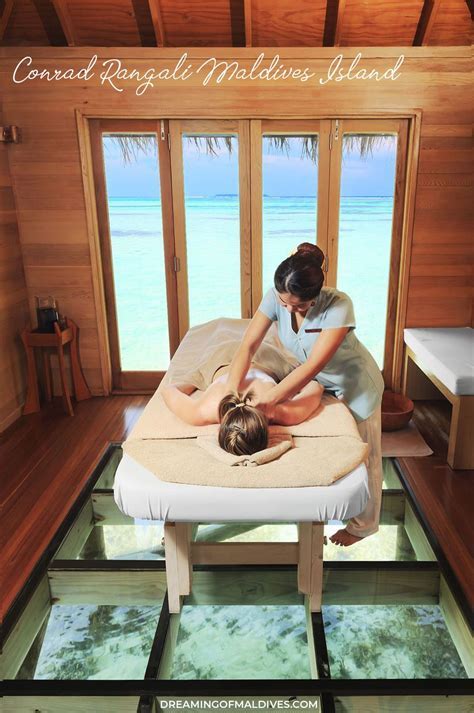
Massage therapists are trained to recognize pressure limits, avoid risky anatomical areas, and respond to client feedback. While clients typically sign waivers before treatment—acknowledging some degree of risk—these do not legally shield providers from gross negligence or malpractice.
The presence of a blood clot and scar mass of nearly 5 centimeters is not a typical post-massage complication. This suggests either a highly forceful technique, a significant error in execution, or a severe lack of anatomical awareness. Legal and medical experts will likely need to weigh in, especially as the case garners wider attention.
Legal and Ethical Implications for Hilton
Legally, the line between accident and negligence is thin but vital. If the massage therapist deviated from professional norms or used excessive pressure, both the therapist and the spa could be held liable. Additionally, if Hilton—through its Conrad brand—failed to properly vet or supervise its staff, corporate liability could come into play.
Even more concerning is Hilton’s alleged failure to acknowledge the situation. Hospitality brands rely on trust and responsiveness, especially when things go wrong. Ignoring months of detailed communication from an injured guest paints the company in an unflattering light.
The likelihood is high that Hilton has outsourced its spa liability to third-party insurers. In such setups, the insurer investigates claims and decides on payouts. Unfortunately, insurance providers are often incentivized to minimize settlements or delay proceedings, especially in international settings. But this does not absolve Hilton of its brand responsibility.
A Breakdown in Duty of Care
What guests expect from a five-star spa experience is not just ambiance or luxury oils. They expect safety. They expect qualified, licensed professionals who understand the medical implications of their craft. Most importantly, they expect support if something goes wrong.
Andrew’s experience reflects a systemic breakdown in this duty of care:
- Initial dismissal of his symptoms by spa staff
- Failure to monitor or follow up after reported pain
- No communication or compensation from Hilton corporate
Each step represents a missed opportunity to de-escalate the situation and support the injured party. What could have been resolved quietly and compassionately has now spiraled into a public relations crisis.
Impact on the Luxury Travel Industry
The luxury travel sector is built on reputation. Incidents like this cut through the glamour and reveal uncomfortable truths. They force travelers to reconsider the risks of high-end services assumed to be safe.
If elite properties like the Conrad Maldives fail to prevent or even respond to serious injuries, it challenges the perception of premium protection and accountability in five-star travel. For consumers, this means a need to be more vigilant, ask more questions, and report symptoms immediately.
And for the hospitality industry, this incident should serve as a wake-up call. Training, communication, and liability handling procedures need serious review, especially when injuries arise under their watch.
What Happens Next?
If Andrew’s public outcry gains traction, Hilton may be forced into a legal or reputational reckoning. The company can either acknowledge the issue, offer financial compensation, and issue a public apology—or risk further damage as media, travel influencers, and consumers rally around the story.
Litigation may become the next chapter. With medical documentation reportedly tying the injury to the massage, a lawsuit for negligence and damages could carry weight, even in an international jurisdiction like the Maldives. If successful, this case could set a precedent for how resort spas are held accountable for serious physical harm.
Meanwhile, travelers are left to weigh the risks. If something as seemingly innocuous as a massage can lead to permanent injury, how much trust can we place in luxury service providers when they go radio silent in times of crisis?
A Story That Demands Answers
At its core, this is more than just a spa horror story. It is a story about corporate accountability, human suffering, and the limits of luxury assurances. Andrew’s injury is permanent. His medical bills are real. His silence from Hilton is deafening.
And now, the world is watching.