Ethiopian Airlines (Amharic: የኢትዮጵያ አየር መንገድ, romanized: Ye-Ītyōṗṗyā āyer menged), the flag carrier of Ethiopia, stands as a towering symbol of African aviation success and a vital conduit connecting the continent to the global stage. Wholly owned by the Ethiopian government, the airline has cultivated a reputation for operational excellence, sustained profitability, and ambitious growth, embodying its slogan, ‘The New Spirit of Africa.’ From its humble beginnings in the post-World War II era, Ethiopian Airlines has burgeoned into Africa’s largest airline by passengers carried, destinations served, fleet size, and revenue, a testament to its strategic vision and resilience. Its primary hub and headquarters are strategically located at Bole International Airport in Addis Ababa, the nerve center for an extensive network that spans 161 passenger destinations—including 22 domestic routes—and 68 dedicated cargo destinations worldwide. Ethiopian Airlines is not just a carrier; it is an aviation conglomerate with diverse interests, including robust MRO services, a renowned aviation academy, and strategic airline partnerships across Africa, further cementing its influence in the industry.
Founded on 21 December 1945, Ethiopian Airlines, initially known as Ethiopian Air Lines (EAL), commenced operations on 8 April 1946. The airline’s journey from a fledgling national carrier to a global aviation powerhouse is a compelling narrative of ambition, strategic partnerships, and indigenous capability building. A proud member of the Star Alliance since December 2011, Ethiopian Airlines continues to expand its reach and enhance its service offerings, consistently ranking among the world’s most reputable and profitable airlines. Its commitment to modernization is evident in its young and technologically advanced fleet, and its forward-looking strategies, such as Vision 2035, outline a path for even greater achievements in the decades to come. The airline’s story is intrinsically linked with Ethiopia’s modern history, reflecting the nation’s aspirations for progress and global integration.
A Storied Past: The Genesis and Evolution of Ethiopian Airlines
The 1940s: Dawn of an African Aviation Pioneer
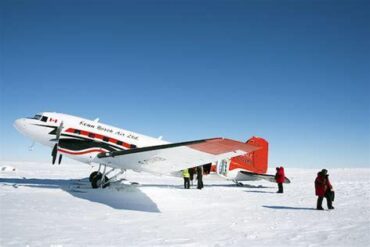
The impetus for establishing a national airline came directly from Emperor Haile Selassie I following the liberation of Ethiopia. As part of his broader modernization agenda, the Emperor sought assistance from the United States, the United Kingdom, and France. It’s widely believed that he envisioned a high-quality national airline as a means to reshape global perceptions of Ethiopia, moving beyond images of poverty. In 1945, these aspirations began to materialize as the Ethiopian government entered into negotiations with Transcontinental Air Transport and Western Air Express, which later merged into Trans World Airlines (TWA). On 8 September 1945, a pivotal agreement was signed between TWA and John H. Spencer, an American historian and foreign affairs advisor to Ethiopia, laying the groundwork for a commercial aviation company. Ethiopian Air Lines (EAL) was officially founded on 21 December 1945, with an initial investment of ETB 2.5 million, entirely funded by the government through 25,000 shares. While financed by Ethiopia, the airline’s initial management and technical operations were heavily reliant on TWA, which provided American pilots, technicians, administrators, and accountants. Even the General Managers during this foundational period were TWA appointees. Fitawrari Tafasse Habte Mikael, then Minister of Works and Communications, served as EAL’s first president and chairman, while H. H. Holloway, an American, was appointed by TWA as the general manager. The inaugural board meeting on 26 December 1945 prioritized the acquisition of aircraft and spare parts, for which E£75,000 was deposited in Cairo. Shortly thereafter, EAL secured landing rights with Aden, Egypt, French Somaliland, Saudi Arabia, and Sudan. The initial fleet comprised five Douglas C-47 Skytrains, acquired in February 1946 and flown to Addis Ababa. These versatile aircraft, originally designed for military use, were adapted for mixed passenger-cargo configurations.
The airline’s very first flight, a non-scheduled service in February 1946, transported a significant shipment of East African currency to Nairobi. However, the first revenue scheduled service took place on 8 April 1946, connecting Addis Ababa with Asmara and Cairo, utilizing one of the newly acquired Douglas C-47s. This route soon became a weekly fixture. Operations quickly expanded to include services to Aden and Djibouti, alongside a domestic route to Jimma. The core network in these early years consisted of five primary routes: Addis Ababa–Asmara, Addis Ababa–Djibouti–Aden, Addis Ababa–Khartoum, Addis Ababa–Cairo (via Jeddah or Khartoum), and Asmara–Khartoum. Henry Bruce Obermiller succeeded Holloway as general manager in June 1946, and by July, four more Skytrains had joined the fleet. New scheduled services were launched to Sheikh Othman (July 1946) and Nairobi (June 1947). In 1947, Waldon Gene Golien took over as general manager, and EAL began operating charter flights to Jeddah for the Hajj pilgrimage. To support further international expansion, three more Douglas C-47s were acquired in February 1947. Services to Mukalla commenced in June 1947, Port Sudan was added as a regular stop in September (previously a technical stop), Lydda (modern-day Lod, Israel) became a scheduled destination in October, and charter flights to Bombay (now Mumbai) were launched in November. However, services to Lydda and Mukalla were short-lived, ceasing in February and April 1948, respectively. The Bombay route transitioned to a scheduled service in September 1948, with EAL flying to Aden and BOAC operating the Aden–Bombay leg, with intermediate stops at Mesirah Island in Oman and Karachi. For a brief period, Mesirah Island served as a crucial refuelling stop. The airline faced geopolitical challenges, such as the British Empire denying landing rights at Khartoum, which forced a rerouting of the Aden service’s refuelling stop to Port Sudan. Despite these early hurdles, EAL reported a profit of £40,000 for 1949, signaling a promising start.
The 1950s: Expanding Horizons and Embracing Long-Haul Travel
The 1950s marked a significant phase of expansion for Ethiopian Air Lines, characterized by the introduction of longer-haul routes and more advanced aircraft. Services to Bombay were withdrawn in July 1950. A crucial development came in the same year with a US$1 million loan from the Ex-Im Bank, which facilitated the acquisition of Convair CV-240 aircraft. These twin-engine planes were earmarked for international operations. Two CV-240s, patriotically named “Eagle of Ethiopia” and “Haile Selassie I,” joined the fleet in December 1950. By January 1951, these aircraft were deployed on routes connecting Addis Ababa to Cairo, Nairobi, and a new service to Karachi via Jeddah and Dhahran. Dhahran and Sharjah were incorporated into the network on 20 February 1951. In April 1952, EAL was appointed as the general sales agent for TWA in Kenya, Tanganyika, Uganda, and Zanzibar. By May 1952, the fleet comprised two Convair-Liner 240s and nine Douglas DC-3s (or their subtypes), serving a route network spanning approximately 11,000 kilometers (7,000 miles). Services to India and Sharjah were discontinued in 1953. A new agreement with TWA, signed on 14 July 1953, reaffirmed the long-term goal: “that EAL shall eventually be operated entirely by Ethiopian personnel.” A new service to Athens via Khartoum and Wadi Halfa was launched on 3 April 1954. A third Convair CV-240, named “The Spiritual Power,” was purchased from Sabena in 1955 for US$560,000. These Convairs were notably equipped with rocket-assisted take-off (RATO) devices, a feature EAL utilized until April 1956 to enhance performance in hot and high conditions. The year 1955 also saw the inauguration of EAL’s self-owned maintenance facility, a critical step towards self-sufficiency. Vic Harrell succeeded Swede Golien as general manager in the same year.
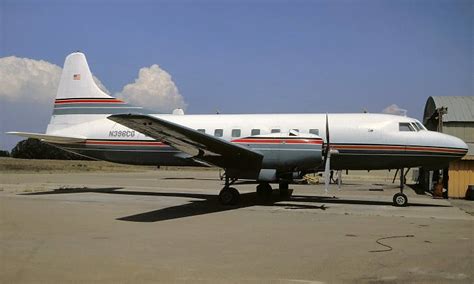
As the decade progressed, the need for larger aircraft became apparent. EAL considered several options, including the Lockheed Constellation, the Lockheed Electra, and the Douglas DC-6. Ultimately, two Douglas DC-6Bs were ordered in 1956 for US$4 million, including spares, with an option for a third. This acquisition was partly financed by another Ex-Im Bank loan of £85 million, secured in 1955. Benghazi was briefly served from November 1956 to January 1957. A third DC-6B was purchased in 1957. That year, the airline also acquired a Lockheed L-749, originally a gift to the Emperor, for US$1.6 million; unfortunately, this aircraft was destroyed by fire in an accident in Sudan on 10 July. New services to the Yemeni cities of Hodeida and Taiz commenced on 1 September 1957. Flights to Wadi Halfa were terminated on 23 May 1958. The three Douglas DC-6Bs were integrated into the fleet between May and July 1958, enabling EAL to launch a new link between Addis Ababa and Athens via Cairo. On 21 June 1958, this route was extended north to Frankfurt and south to Nairobi, creating a significant corridor operated by the DC-6Bs. The Convairs were subsequently redeployed to domestic and regional routes. Pilot training for the DC-6Bs was handled by Swissair in Zürich. EAL officially joined the International Air Transport Association (IATA) on 1 January 1959. During 1959, two Boeing 720Bs were ordered for future delivery, two more DC-6Bs entered service, services to Nairobi were temporarily suspended, and domestic destinations like Bulchi, Dodollo, Lalibela, and Masawa were added to the network.
The 1960s and 1970s: Entering the Jet Age and Nationalization
The 1960s heralded the arrival of the jet age for Ethiopian Air Lines, fundamentally transforming its operations and international standing. Port Sudan was removed from the destination list on 1 March 1960. Tragedy struck on 15 July 1960, when a DC-3 crashed en route from Bulchi to Jimma, killing the pilot, marking the airline’s first fatal accident. On 12 August 1960, an order for two Boeing 720B jet aircraft was placed, following a proposal by the general manager who had considered the Sud SE-210 Caravelle and the de Havilland D.H.106 Comet 4, but found the Boeing 720B best suited for EAL’s operational conditions, particularly the hot and high environment of Addis Ababa. A pioneering east-west African link was established on 8 November 1960, with the launch of the Addis Ababa–Accra–Lagos–Monrovia route using DC-6B aircraft. Another fatal accident involving a DC-3 occurred on 5 September 1961, shortly after takeoff from Sendafar, claiming the lives of a flight attendant and four passengers. This prompted an investigation by the Civil Aviation Department, which identified inadequate infrastructure at many airfields as a contributing factor, leading to the recommended closure of airfields at Gore, Mizan Teferi, and Tippi. Yet another DC-3 crash at Tippi during takeoff on 13 January 1962, killing the crew and four passengers, led to the government’s decision to close the Mizan Teferi and Tippi airfields. Jack B. Asire became general manager in April 1962. Recognizing that the existing Lideta Airfield could not accommodate the new jetliners, the decision was made to construct a new airport. This led to the development of Bole International Airport, which would become the airline’s main hub and headquarters.
In December 1962, the delivery of two Boeing 720s, registered ET-AAG (“Blue Nile”) and ET-AAH (“White Nile”), marked EAL’s official entry into the jet age. The inaugural jet service took place on 15 January 1963, on the route to Nairobi. The following day, a new jet service to Madrid was launched, with Frankfurt soon following. By April 1963, Boeing 720s had replaced DC-6Bs on the Addis Ababa–Athens route and were also deployed on the West African corridor. In 1965, the airline underwent a significant structural change: it transitioned from a corporation to a share company and was renamed Ethiopian Airlines. The contractual relationship with TWA was adjusted in 1966 to reflect a transfer of management, with Col. Semret Medhane appointed as the first Ethiopian deputy general manager. By 1968, the airline operated two Boeing 720s and had a Boeing 707-320C due for delivery, with a second -320C ordered. The year 1970 saw the fifth renewal of the original 1945 contract, changing TWA’s role from manager to adviser. By its 25th anniversary in 1971, Ethiopian Airlines was ready to operate independently of foreign assistance. Col. Semret Medhane became the first Ethiopian General Manager in 1971, a landmark moment signifying true operational autonomy. The fleet continued to evolve with the acquisition of two Boeing 720Bs from Continental Airlines in 1973 and an order for five Dash 7 turboprops in 1975. By this time, the 30-year relationship with TWA had concluded. Ethiopian Airlines became a new customer for the Boeing 727 in 1978, ordering two to replace its oldest Boeing 720s.
The 1980s and 1990s: Modernization and Transatlantic Expansion
Throughout the 1980s and 1990s, Ethiopian Airlines focused on fleet modernization and network expansion, including pioneering transatlantic routes. The DHC-5 Buffalo aircraft joined the fleet in the early 1980s, enhancing its cargo and short-field capabilities. In a landmark move in 1982, Ethiopian became the first African carrier to order the Boeing 767 and, significantly, the first airline globally to order the Boeing 767-200ER (Extended Range) variant. On 1 June 1984, the first of these aircraft set a new distance record for a twinjet, flying 12,100 km (7,500 mi) non-stop from Washington, D.C., to Addis Ababa on its delivery flight. The Boeing 767-200ERs were instrumental in replacing the aging Boeing 720s. The mid-1980s saw the incorporation of ATR 42s and Twin Otters into the fleet, with the first of six Twin Otters arriving in early 1985, primarily for domestic routes. The Boeing 737-200 joined the fleet in late 1987. In 1990, the airline secured a $90 million credit through the African Development Bank (AfDB) to expand the main airport in Addis Ababa. Ethiopian Airlines also distinguished itself by becoming the first passenger airline to take delivery of the Boeing 757 Freighter. The first of its Boeing 757-200 passenger aircraft arrived in 1991. By 1996, the airline’s network included destinations such as Bangkok, Beijing, Durban, and Johannesburg, along with routes to Ivory Coast and Senegal. The Fokker 50 turboprops were introduced for domestic routes; Ethiopian was notably the last company to take delivery of this aircraft type in 1997, following the collapse of Fokker. The late 1990s witnessed further international expansion, with Copenhagen and Maputo added to the network. Crucially, Ethiopian launched transatlantic services to New York City and Washington, D.C. The airline also introduced its frequent-flyer program, ShebaMiles, named after the legendary Queen of Sheba. However, this period also saw operational disruptions due to the Eritrean-Ethiopian War, which erupted in 1998 and affected flights to Asmara.
2000 – Present: Embracing the 21st Century and Global Alliances
The new millennium ushered in an era of accelerated growth, fleet renewal, and strategic alliances for Ethiopian Airlines. A significant fleet renewal program commenced in the early 2000s with the incorporation of the Boeing 737-700 and the Boeing 767-300ER. In 2004, the airline strategically shifted its Newark service to Washington, D.C. A defining moment came in the late 2000s when Ethiopian Airlines announced it would be a launch customer for the Boeing 787 Dreamliner (though All Nippon Airways ultimately became the first to operate it). This was complemented by orders for new Airbus A350-900s, Boeing 777-200LRs, and Bombardier Q400 aircraft, underscoring a commitment to operating a modern and fuel-efficient fleet. In late September 2010, a significant milestone was reached when Ethiopian Airlines was invited to join the prestigious Star Alliance, with Lufthansa acting as its mentor. The carrier officially became the 28th member of the alliance in December 2011, making it the third African airline to join, following EgyptAir and South African Airways. This membership significantly expanded Ethiopian’s global reach through codeshare agreements and integrated services with other member airlines. More recently, in 2024, a notable geopolitical development saw Ethiopia offer the unrecognized country of Somaliland equity in the airline in exchange for the use of a Somaliland port, highlighting the airline’s strategic importance beyond purely commercial aviation. Looking ahead, Ethiopian Airlines announced on 20 January 2025, its plans to launch thrice-weekly flights between Addis Ababa and Hyderabad, India, utilizing its Boeing 737 MAX 8 aircraft, further expanding its Asian network.
Corporate Affairs: Steering Africa’s Leading Airline
Sustained Business Growth and Performance
Ethiopian Airlines, wholly owned by the Government of Ethiopia, has demonstrated a remarkable and consistent growth trajectory, particularly in the 21st century. Its financial and operational performance figures, often detailed in annual reports and press releases, paint a picture of a thriving enterprise. The airline has consistently reported profits, a feat not common among state-owned carriers globally, especially in Africa. For instance, in Fiscal Year 2023, Ethiopian Airlines reported a revenue of $6.1 billion USD and a profit of $800 million USD (ETB 44.5 billion). By November 2023, its workforce had grown to over 18,000 employees. Passenger numbers have seen a dramatic increase, from 2.5 million in 2008 to 13.8 million in FY 2023. The airline’s cargo operations have also expanded significantly, carrying 713,000 tonnes of cargo in FY 2023. The fleet size has similarly grown, reaching 156 aircraft as of recent reports, serving an ever-expanding network of destinations.
Here’s a snapshot of key performance indicators over recent years (as of year ending 30 June):
| Year | Turnover (US$ bn) | Net profit (US$ m) | Employees | Passengers (m) | Pax Load Factor (%) | Destinations | Cargo (000s tonnes) | Aircraft | Refs |
|---|---|---|---|---|---|---|---|---|---|
| 2018 | 3.3 | 207 | 12,994 | 10.6 | 74 | 113 | 400 | 108 | [110][115] |
| 2019 | 3.9 | 260 | 13,958 | 12.1 | 73 | 121 | 432 | 116 | [110][116] |
| 2020 | 3.7 | 183 | 14,104 | 9.6 | 53 | 127 | 525 | 126 | [110][117] |
| 2021 | 3.5 | 493 | 14,736 | 5.7 | 57 | 127 | 757 | 130 | [110][118] |
| 2022 | 5.0 | 942 | 17,000 | 8.6 | 70 | 131 | 768 | 144 | [110][119] |
| 2023 | 6.1 | ~800 (reported) | 17,000+ | 13.8 | N/A | 136 | 713 | 154 | [31][120] |
| 2024 | 7.02 (reported) | N/A | 18,000 | N/A | N/A | 161 (pass.) | N/A | 156 | [21][22][29] |
These figures underscore Ethiopian’s robust financial health and operational expansion, solidifying its position as Africa’s leading carrier.
Prudent Management and Steadfast Ownership
One of the defining characteristics of Ethiopian Airlines has been its relative autonomy from government intervention, a crucial factor in its sustained success, even during periods of domestic political upheaval. Unlike many state-owned African airlines that suffered from mismanagement, nepotism, and politically motivated decisions, Ethiopian Airlines has largely been run on professional, commercial principles. The Christian Science Monitor in 1988 aptly described it as a “capitalist success in Marxist Ethiopia.” Even under the Derg regime, after an initial expansion of the workforce that impacted service quality, the airline was permitted to operate on a “strictly commercial basis.” Captain Mohammed Ahmed, CEO throughout the 1980s, implemented crucial reforms, including a 10% workforce reduction, and continued acquiring Western aircraft like the Boeing 727 and 767, despite the government’s Soviet ties. The airline maintained its reputation for quality maintenance and training, remaining profitable throughout the decade. Despite the overthrow of the Derg in 1991, Ethiopian posted a profit. A management shake-up in 1994 saw 40 top executives dismissed, but operational independence was largely restored with the appointment of Bisrat Nigatu in 1997. In 2018, the Ethiopian government announced plans for partial or full privatization of several state-owned enterprises, including Ethiopian Airlines, though it intended to retain a majority stake. The then-CEO even suggested other African nations could purchase minority stakes. However, by October 2020, these privatization plans were postponed. The current Group CEO is Mr. Mesfin Tasew, appointed on 24 March 2022. He is a long-serving veteran of the airline, having joined in 1984, and previously served as CEO of ASKY Airlines. He succeeded Mr. Tewolde GebreMariam, who led the airline from 2011 until his resignation in March 2022. The current Chairman is Yilma Merdassa.
Strategic Organizational Structure
In July 2017, the Ethiopian government reorganized Ethiopian Airlines into a fully owned aviation holding group. This strategic move aimed to maximize efficiency, elevate customer service to global standards, and facilitate long-term planning. The group initially comprised several distinct business units:
- Ethiopian Airports Enterprise (EAE): Managing airport infrastructure.
- Passenger Airline: The core airline operation.
- Cargo Airline and Logistics Company: A rapidly growing and highly profitable division.
- Ethiopian Aviation Academy (now Aviation University): A leading training institution in Africa.
- Ethiopian In-flight Catering Services: Providing high-quality meal services.
- Ethiopian MRO Services: The largest maintenance, repair, and overhaul operation in Africa, accredited by the FAA and EASA.
- Ethiopian Hotel and Tourism Services: Including the luxurious Ethiopian Skylight Hotel.
The MRO Services division is a cornerstone of the airline’s diversified strategy, serving not only Ethiopian’s fleet but also aircraft from other African and Middle Eastern carriers. The Cargo and Logistics division is on an aggressive expansion path, aiming to increase its annual capacity to 1.5 million tons. The Ethiopian Aviation University further expanded its capabilities by inaugurating a second campus for pilot training in Hawassa city in 2023.
Head Office: The Nerve Center at Bole
Ethiopian Airlines currently operates from its head office at Bole International Airport in Addis Ababa. However, recognizing the need for a more expansive and modern facility to accommodate its growth, the airline has long planned a new head office complex. An initial design contest was held in 2009, but those plans did not proceed. A second round took place on 16 February 2011, and in September 2011, BET Architect Plc was announced as the winner. The proposed complex, estimated to cost Br 300 million, is slated for construction on a 50,000 square meter plot at Bole International Airport. This new headquarters will symbolize the airline’s modern outlook and its central role in African aviation.

Charting an Ambitious Course: Strategic Visions and Key Milestones
Ethiopian Airlines has consistently been recognized for its strategic foresight and operational excellence. The Economist featured it as an example of excellence in late 1987, and economist Paul B. Henze, in 2000, acknowledged it as “one of the most reliable and profitable airlines in the Third World.” Its sustained profitability has been lauded by Air Transport World and the African Airlines Association (AFRAA). A long-standing company policy involves generating revenue beyond passenger and cargo transport, notably through providing aircraft maintenance services to other airlines and offering specialized aviation training for both Ethiopian and international trainees. The Pilot School, inaugurated in 1964, and the Aviation Maintenance Technician School, established in 1967, are pillars of its human resource development strategy, with its maintenance division holding FAA accreditation (No. ETIY 102F).
In 2005, Ethiopian launched Vision 2010, aiming to increase passenger traffic to 3 million, revenue to US$1 billion, and its workforce to 6,000 by 2010. The airline surpassed all these goals, reporting a net profit of US$121.4 million for the fiscal year ending June 30, 2010, attributed to aggressive marketing and cost-cutting. Building on this success, Vision 2025 was adopted in 2010, a 15-year strategy targeting a fleet of 120 aircraft, 90 destinations, over 18 million passengers, 720,000 tonnes of cargo, and 17,000 employees. Remarkably, Ethiopian achieved many Vision 2025 targets well ahead of schedule, by 2018, with an average growth rate of 25% throughout the decade. Its net profit in the 2018/19 financial year reached US$260 million, with operating revenue hitting US$4 billion.
Having surpassed Vision 2025, Ethiopian has charted an even more ambitious roadmap: Vision 2035. This strategy aims to nearly double the fleet size from around 145 to 271 aircraft and expand the international destination network from 133 to 207 cities. Passenger traffic is projected to soar from 14 million (in 2022) to 65 million by 2035, with cargo growing from 723,000 tons to 3 million tons per year. The revenue target for Vision 2035 is an astounding US$25 billion, positioning Ethiopian Airlines among the top 20 global aviation groups. A cornerstone of this future growth is the planned construction of a new US$6 billion mega-airport in Bishoftu, 38 km south of Addis Ababa, designed to handle 100 million passengers annually. This new facility is essential as Bole International Airport, despite its 2019 expansion to a 22 million passenger capacity, will be insufficient for projected demand. Addis Ababa Bole International Airport had already surpassed Dubai International Airport in 2018 as the leading gateway for travel to and from Africa.
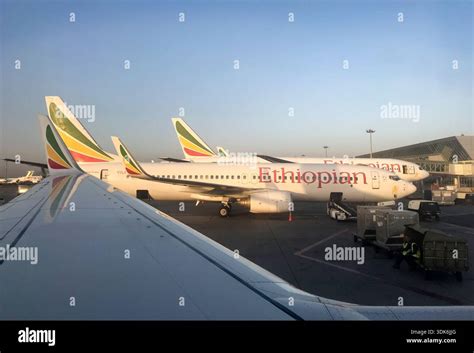
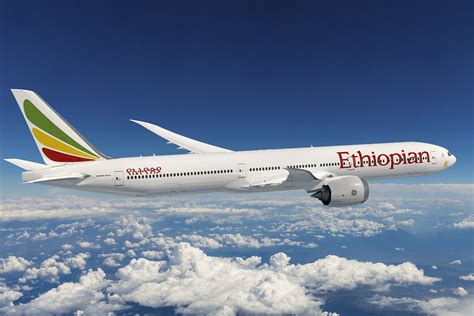
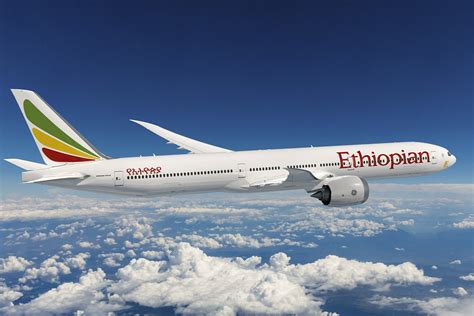
Further cementing its growth trajectory, Ethiopian Airlines made historic aircraft orders at the Dubai Air Show in 2023, placing an order for 67 Boeing aircraft, including 20 737 MAXs and 11 787 Dreamliners – the largest-ever purchase of Boeing airplanes in African history. This was complemented by a commitment to buy 11 additional Airbus A350-900s, with purchase rights for six more. The 737 MAX order came nearly five years after the tragic 2019 crash, with Group CEO Mesfin Tasew stating renewed confidence in the aircraft after Boeing’s corrective actions. In March 2024, Ethiopian further solidified its future fleet by agreeing to purchase eight Boeing 777-9 passenger aircraft, with options for an additional 12, making it the launch customer for the Boeing 777X in Africa. A 2023 report by Brand Finance recognized Ethiopian Airlines as one of the world’s top 50 most valuable and strongest airline brands, naming it the “fastest-growing airline brand globally” and “Africa’s largest airline brand.”
Expanding Influence: Strategic Partnerships and Diversification
Ethiopian Airlines has astutely pursued strategic partnerships and joint ventures to expand its footprint across Africa and diversify its revenue streams. In July 2013, Ethiopian acquired a 49% stake in Malawian Airlines, with the Malawian government and private investors holding the remaining 51%. Malawi Airlines commenced operations in January 2014, leveraging Ethiopian’s expertise. Similarly, in January 2018, Ethiopian partnered with the Zambian government to relaunch Zambia Airways, taking a 45% stake. This initiative aims to develop Lusaka as an aviation hub for Southern Africa, aligning with Ethiopian’s multi-hub strategy. In February 2018, a partnership with its Togo-based affiliate ASKY Airlines (in which Ethiopian holds a 27% stake) and the Guinean government led to the establishment of Guinea Airways. These ventures support African countries in regaining aviation market share and align with the African Single Air Transport Market initiative.
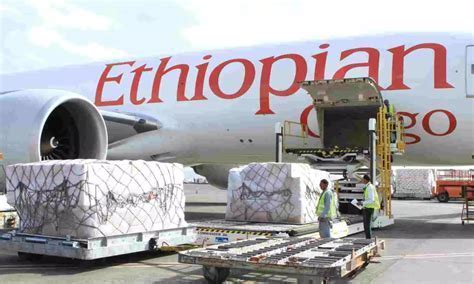
Beyond passenger airlines, Ethiopian has significantly invested in logistics and manufacturing. DHL-Ethiopian Airlines Logistics Services S.C., a joint venture with DHL formed in 2018, focuses on ground logistics for airports, seaports, and industrial parks across Africa. Ethiopian Cargo, Africa’s largest air cargo provider, is constructing a $50 million e-commerce hub at Bole International Airport, equipped with automated systems to handle up to 150,000 tons of shipments annually. A partnership with Latin American postal firm MailAmericas aims to develop cross-border e-commerce services, using Addis Ababa as a central hub. The airline is also venturing into aerospace manufacturing. An existing unit produces wire harnesses for Boeing. A new joint venture with Aerosud of South Africa will design and manufacture aircraft parts. Further agreements include one with German ACM Aerospace (July 2018) to produce aircraft seat covers, safety belts, and carpets. In 2023, a deal with the Ethiopian Investment Commission and the Industrial Parks Development Corporation will see a new hangar built in Addis Ababa for aircraft parts manufacturing in a joint venture with Boeing, focusing on thermo-acoustic insulation blankets and electrical wire harnesses. This builds on the Ethiopian Sky Technologies facility, a joint venture with Italy’s Geven-SkyTecno inaugurated in September 2022, which produces insulation blankets for Boeing 737 MAX aircraft. Ethiopian Airlines holds a 51% stake in this venture. In 2021, the Ethiopian MRO facility, in collaboration with Israel Aerospace Industries (IAI), established a Passenger-to-Freighter (P2F) conversion site for Boeing 767-300 aircraft, the first of its kind in Africa. The site completed its first B767 freighter conversion in 2022. During the COVID-19 pandemic, Ethiopian temporarily converted around 25 of its widebody passenger aircraft into freighters using its in-house MRO capabilities, significantly boosting its cargo operations and facilitating the global transport of approximately 1 billion COVID-19 vaccine doses.
Connecting Continents: Destinations Network
As of June 2023, Ethiopian Airlines served an impressive network of 133 international passenger destinations, 22 domestic passenger destinations, and 68 dedicated cargo destinations. It proudly serves more destinations in Africa than any other airline, with 63 cities across the continent. Historically, some of its densest routes include Addis Ababa to Dubai, Johannesburg, Guangzhou, Nairobi, and Beijing. The airline has continually sought to expand its global reach. In the early 2010s, it announced plans for Latin American services, which materialized with flights to São Paulo and Rio de Janeiro commencing in July 2013. Asian expansion has also been a priority, with services to Singapore (December 2013), Shanghai (March 2014), Tokyo-Narita (April 2015), and Manila (July 2015). European links were strengthened with Vienna (June 2014) and Dublin. North American services expanded with Los Angeles and a Newark service via Lomé (July 2016). In March 2018, Buenos Aires became its second South American stop. The restoration of services to Asmara, Eritrea, in July 2018, following normalized relations, was a significant regional development. The cargo network has also seen substantial growth, with new destinations like Los Angeles and Mexico City, aiming for 57 service points and 1.5 million tons annual uplift capacity by 2025.
Global Reach: Alliances and Codeshare Pacts
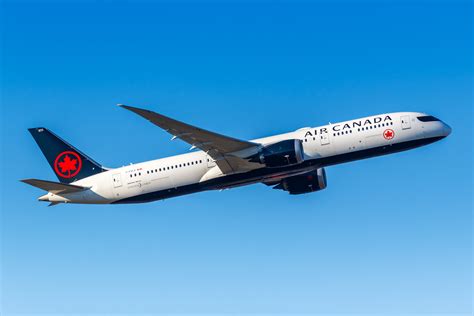
Ethiopian Airlines significantly amplified its global connectivity by joining Star Alliance in December 2011. This membership provides passengers with seamless travel options across a vast network of partner airlines, reciprocal frequent flyer benefits, and lounge access. Prior to this, in October 2007, Ethiopian’s ShebaMiles program partnered with Lufthansa’s Miles & More. A key strategic partnership in Africa is with Lomé-based ASKY Airlines, in which Ethiopian holds a 27% stake and provides maintenance and operational management. ASKY serves as a regional hub for West Africa. Ethiopian Airlines further extends its network through numerous codeshare agreements with leading carriers worldwide. These partners include:
- Aegean Airlines
- Air Canada
- Air China
- Air Côte d’Ivoire
- Air Europa
- Air India
- All Nippon Airways (ANA)
- Asiana Airlines
- ASKY Airlines
- Austrian Airlines
- Azul Brazilian Airlines
- EgyptAir
- El Al
- Etihad Airways
- Flynas
- ITA Airways
- Kuwait Airways
- LAM Mozambique Airlines
- Lufthansa
- Malawi Airlines
- Malaysia Airlines
- Oman Air
- RwandAir
- Saudia
- Scandinavian Airlines (SAS)
- Shenzhen Airlines
- Singapore Airlines
- South African Airways
- SriLankan Airlines
- TAP Air Portugal
- Turkish Airlines
- United Airlines
- Zambia Airways
These agreements enhance route options and convenience for Ethiopian Airlines’ passengers, effectively broadening its operational map.
The Fleet: Modern, Efficient, and Expanding
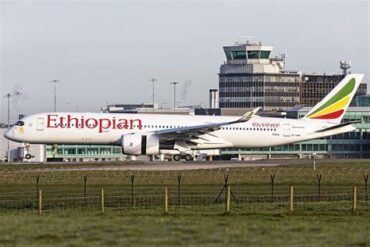
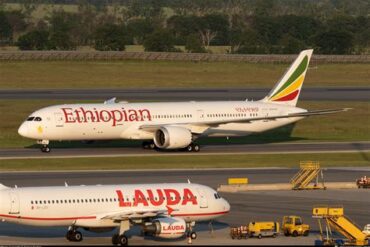
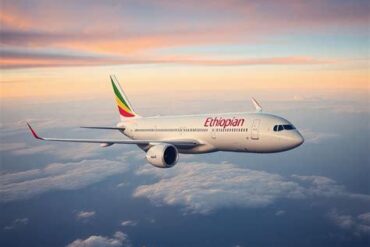
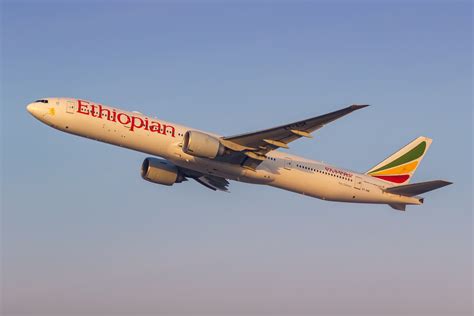
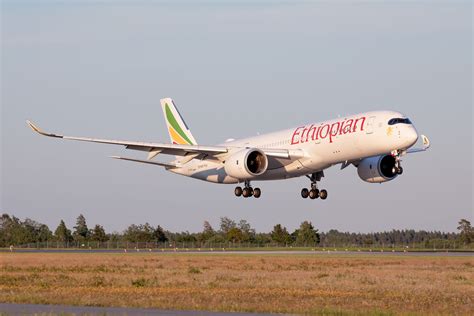
Ethiopian Airlines operates one of the youngest and most modern fleets in Africa, a cornerstone of its strategy for efficiency, reliability, and passenger comfort. As of late 2023/early 2024, the fleet size stood at approximately 156 aircraft. The airline has a long history of being a pioneer in adopting new aircraft technology on the continent. It was the first African carrier to order and operate the Boeing 787 Dreamliner, receiving its first in August 2012. It was also the first in Africa to operate the Boeing 777-200LR, taking delivery in November 2010, and the first to operate the Airbus A350-900 in 2016. The fleet is diverse, comprising Boeing models like the 737 (including MAX variants), 767, 777 (passenger and freighter), and 787, alongside Airbus A350s and De Havilland Canada Dash 8-400 turboprops for regional and domestic routes. Recent major orders underscore its ambitious expansion plans. The November 2023 Dubai Airshow saw Ethiopian order 20 Boeing 737 MAXs and 11 Boeing 787-9s, plus 11 more Airbus A350s. In March 2024, an agreement for eight Boeing 777-9 passenger aircraft (with 12 options) positioned Ethiopian as the African launch customer for the 777X. The combined value of Ethiopian’s aircraft fleet was estimated at $5.25 billion as of 2023, representing about 32% of Africa’s total fleet value.
Elevated Experience: Onboard Services and Lounges
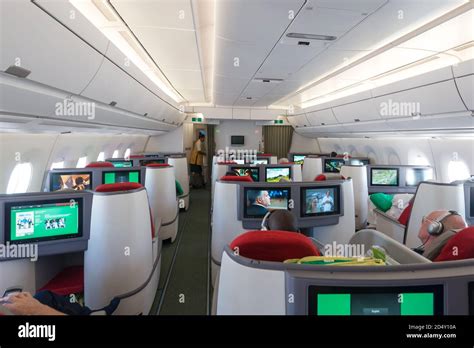
Ethiopian Airlines offers two primary classes of service on most of its international flights: Cloud Nine (Business Class) and Economy Class. All-economy configurations are typical on its Dash 8 aircraft used for shorter domestic and regional routes.
Passengers in both classes receive complimentary food and beverages. The meal service varies depending on flight duration and time of day, ranging from hot meals and snacks to light refreshments. Special dietary meals can be requested in advance. Cloud Nine passengers enjoy enhanced amenities, spacious seating (often converting to flat beds on long-haul aircraft like the Boeing 777-200LR and 787), priority services, and a wide selection of reading materials. On-demand audio and video entertainment systems with extensive channel selections are standard on modern wide-body aircraft, featuring large personal screens. Economy Class passengers also benefit from complimentary meals and amenities appropriate to the flight length. Modern aircraft in the fleet provide personal seat-back screens with on-demand entertainment. Ethiopian Airlines provides dedicated lounge access for its premium passengers at its hub in Addis Ababa Bole International Airport. Cloud Nine passengers can relax in the Cloud Nine Lounge, which offers a range of amenities, including business facilities and Wi-Fi. ShebaMiles Gold and Silver status holders have access to the Sheba Miles Lounge. These lounges provide a comfortable environment for passengers to await their flights.
Safety and Incidents: Acknowledging the Record
Like all long-operating airlines, Ethiopian Airlines has experienced accidents and incidents over its extensive history. According to the Aviation Safety Network, as of March 2019, the airline had 61 recorded accidents and incidents since 1965 (plus six under its former name, Ethiopian Air Lines), resulting in 494 fatalities. The most tragic and widely publicized incident was the crash of Ethiopian Airlines Flight 302 on 10 March 2019. The Boeing 737 MAX 8 aircraft, only four months old, crashed shortly after takeoff from Addis Ababa en route to Nairobi, Kenya, killing all 157 people on board from over 30 nationalities. This accident, following a similar Lion Air crash, led to the worldwide grounding of the Boeing 737 MAX fleet. Prior to this, the carrier’s deadliest incident was the hijacking of Flight 961 in November 1996; the Boeing 767-200ER crashed into the Indian Ocean off the Comoro Islands due to fuel starvation after hijackers demanded to be flown to Australia, resulting in 125 fatalities out of 175 people on board. Another significant accident occurred in January 2010, when Flight 409, a Boeing 737-800, crashed into the Mediterranean Sea shortly after departing Beirut, Lebanon, killing all 90 people on board. A Boeing 737-200 crash in Bahir Dar in 1988 resulted in 35 fatalities. Ethiopian Airlines has consistently emphasized its commitment to safety and works closely with international aviation bodies to maintain and enhance its safety standards.
Navigating Challenges: Addressing Controversies
Ethiopian Airlines has faced several controversies in recent years. In November and December 2020, during the Tigray War, the airline was accused of ethnic profiling, allegedly banning or placing ethnic Tigrayan employees on leave. The company denied these allegations, stating that no employee was suspended or terminated due to their ethnic background. A CNN investigation in 2021 alleged that Ethiopian Airlines cargo aircraft were used to transport weapons to Eritrea during the Tigray War, billing the Ethiopian Ministry of Defense. While the reporter claimed this violated international aviation law, some aviation analysts noted that commercial airlines providing cargo services to governments in wartime is not necessarily illegal. Ethiopian Airlines denied transporting weapons, stating the cargo was “food stuff and refill.” A related controversy involved a briefly posted statement on the airline’s Facebook page, later claimed to be the result of a compromised account, quoting the CEO about investigating “treasonous” employees and fulfilling government demands. More recently, in 2023, the replacement of the airline’s civilian board chairman, Girma Wake (a former CEO), with Air Force Marshal Yilma Merdassa led to speculation about government influence, particularly concerning unconfirmed reports of Prime Ministerial interest in selling the airline’s cargo department to Chinese interests. The GCEO, Mesfin Tasew, stated that the change in chairmanship would not alter how the airline conducts its business. Ethiopian Airlines has also faced criticism from animal welfare organizations, such as World Animal Protection and PETA, regarding its transportation of live wild animals, including primates, for research or other purposes. PETA launched a campaign in 2024, and activists were detained in Addis Ababa. CEO Mesfin Tasew responded that the airline transports live animals in full compliance with international laws and regulations when legally contracted.
The Enduring Spirit of African Aviation
Ethiopian Airlines has carved an extraordinary path from its inception in 1945 to its current status as a dominant force in African and global aviation. Its journey is one of resilience, strategic innovation, and an unwavering commitment to connecting Africa with the world. Through prudent management, continuous fleet modernization, expansion of its diverse aviation services, and ambitious long-term visions like Vision 2035, Ethiopian Airlines not only embodies ‘The New Spirit of Africa’ but also actively shapes the future of air transport on the continent. While navigating the inherent challenges of the aviation industry and specific regional complexities, its sustained growth and profitability serve as an inspiring model, promising an even more influential role in the skies for decades to come.