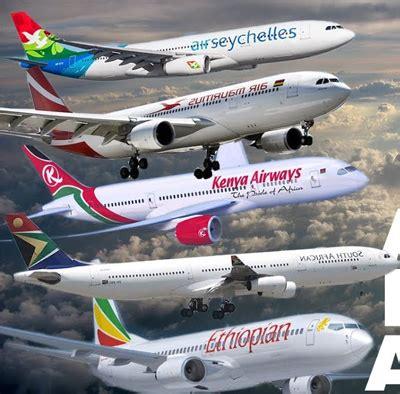
The aviation landscape across Africa tells a complex story of ambition, resilience, and transformation. Despite infrastructural challenges and political interference, African airlines have played a crucial role in connecting remote regions, stimulating economic development, and showcasing national pride. The airlines of Africa operate within a vast continent marked by underdeveloped road and rail networks, a factor that places air travel at the center of regional mobility.
In many African countries, particularly those with challenging terrains and seasonal climate conditions, air transport isn’t a luxury — it’s a necessity. From flagship carriers like Ethiopian Airlines and South African Airways to emerging private operators, Africa’s aviation industry has been on a turbulent journey shaped by colonial legacies, post-independence ambitions, financial volatility, and international scrutiny.
The Historical Flight Path: Colonialism and Independence
The history of African airlines is intimately linked with European colonialism. The aviation infrastructure was initially built to serve colonial economic and administrative needs. During British, French, Belgian, and Portuguese colonial periods, airlines like Air Afrique, East African Airways, and West African Airways were established either directly by European powers or as joint ventures among their colonies. These carriers were designed less for regional integration and more for reinforcing colonial dominance.
Following waves of independence in the mid-20th century, newly sovereign states saw the creation of national carriers as symbols of statehood and autonomy. Countries scrambled to launch flag carriers that would fly their national colors, regardless of whether there was sufficient passenger demand or infrastructure. In many cases, these national airlines ordered widebody aircraft like the DC-10s or Boeing 747s, not based on operational needs, but as emblems of prestige.
Government Ownership and Mismanagement
In the post-independence period, African governments took a central role in the formation and operation of national airlines. While government involvement helped to establish routes and acquire aircraft, it also introduced bureaucracy and inefficiency. Many airlines were run more as public employment hubs than as viable businesses. Appointments were often political rather than professional, leading to overstaffing, poor management, and frequent financial losses.
According to Ben R. Guttery’s Encyclopedia of African Airlines, these carriers often funneled their modest profits into national treasuries while receiving inadequate reinvestment or modernization funds. This model crippled their capacity to compete in a globalized market. Moreover, with little access to international capital, airlines found it difficult to upgrade fleets, modernize facilities, or implement safety reforms.
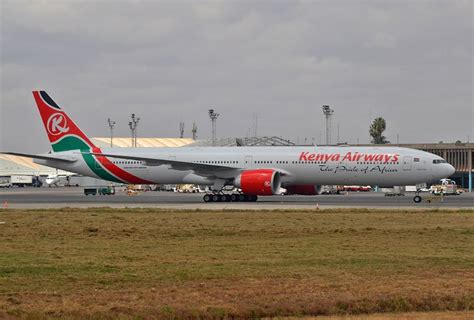
Some exceptions existed, particularly where European airlines took equity stakes. For instance, KLM’s 7.8% share in Kenya Airways and British Airways’ past involvement with Comair injected temporary professionalism and access to global systems. However, these partnerships were rare and not always sustainable.
Fleet Challenges and Infrastructure Constraints
Africa’s airlines have long suffered from aging aircraft. As of 2010, only 4.3% of global aircraft operated in Africa, but the continent accounted for 12% of older aircraft, particularly those with inefficient fuel consumption and high maintenance needs. Low credit ratings and poor financial transparency mean that African airlines struggle to qualify for international aircraft leasing arrangements. As a result, many rely on second-hand planes or operate aircraft well beyond their prime.
At the same time, inadequate airport infrastructure and outdated maintenance facilities make operating newer jets challenging. The disparity is vast: major hubs like Johannesburg and Addis Ababa rival global standards, but hundreds of regional airfields lack paved runways, modern navigation systems, or even basic air traffic control.
Alliance Participation: Connecting Africa to the World
Despite the difficulties, several African carriers have strategically aligned with global airline alliances. These partnerships offer code-sharing opportunities, broader route networks, and exposure to global best practices.
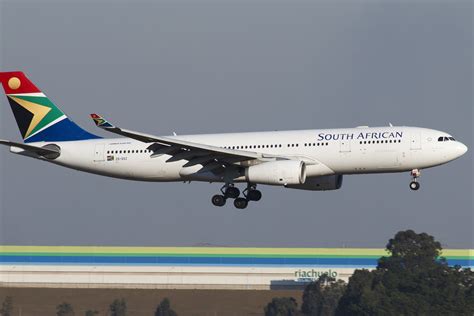
- South African Airways joined the Star Alliance in 2006, enhancing its regional dominance.
- Kenya Airways, with KLM’s support, became a full SkyTeam member in 2010.
- EgyptAir joined Star Alliance in 2008.
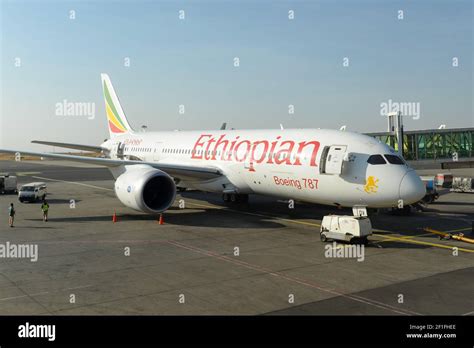
- Ethiopian Airlines, Africa’s most successful airline in recent decades, became part of Star Alliance in 2011.
- Royal Air Maroc, Morocco’s flag carrier, entered Oneworld in April 2020.
These alliances are more than symbolic — they provide African airlines with essential digital infrastructure, booking systems, loyalty programs, and industry benchmarking. However, many other carriers remain isolated due to limited fleet size, poor reputation, or regulatory barriers.
Safety: From Crisis to Caution
The safety record of African aviation has historically been troubling. As late as 2005, while Africa accounted for only 5% of global flights, it represented 25% of global air crashes. Causes ranged from aging fleets, limited pilot training, poor maintenance, and weak regulatory oversight. The Wall Street Journal called African aviation “the most dangerous in the world,” citing a culture of regulatory neglect and systemic underinvestment.
However, the narrative has shifted in recent years. Between 2015 and 2020, Africa saw dramatic improvements in flight safety. According to IATA and World Politics Review, Africa’s accident rate per million flights is now below the global average. This transformation is due to increased ICAO oversight, targeted training initiatives, and improvements in air traffic control and infrastructure.
Still, the divide between major carriers and small domestic operators is significant. Larger carriers, often backed by alliances or professional leadership, maintain far higher safety standards. Conversely, smaller operators in remote regions continue to operate under precarious conditions.
Economic Significance and Regional Integration
Airlines in Africa are more than transportation services — they are instruments of economic development and regional unity. For many landlocked nations or those with impassable terrain, air travel provides the only practical access to markets, healthcare, and education. Routes between African capitals have seen substantial growth, driven by business travel, tourism, and intra-African trade.
Ethiopian Airlines exemplifies what a well-managed national airline can achieve. With a modern fleet, extensive route network, and global alliances, it has become Africa’s largest and most profitable carrier. It also serves as a technical and managerial hub for other African airlines, offering pilot training, aircraft maintenance, and operational support.
By contrast, South African Airways has experienced repeated financial crises, burdened by years of mismanagement and state bailouts. Its recent restructuring under government protection shows the fragile balance between state ownership and commercial viability.
Looking Ahead: Innovation and Private Investment
The future of African airlines lies in innovation, public-private partnerships, and regional liberalization. The African Union’s Single African Air Transport Market (SAATM) initiative aims to dismantle protectionist barriers and encourage competitive, cross-border air services. While implementation is slow, its success would redefine African aviation.
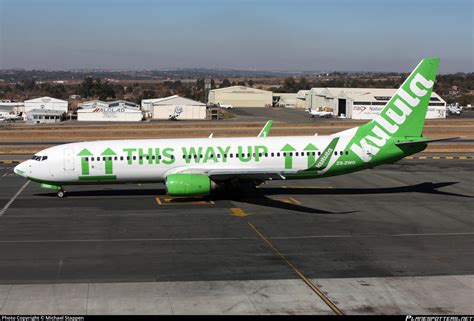
In addition, low-cost carriers like Fastjet and FlySafair are pioneering affordable regional travel models. These carriers focus on lean operations, short-haul routes, and digitally integrated services, targeting Africa’s emerging middle class and the growing segment of business travelers.
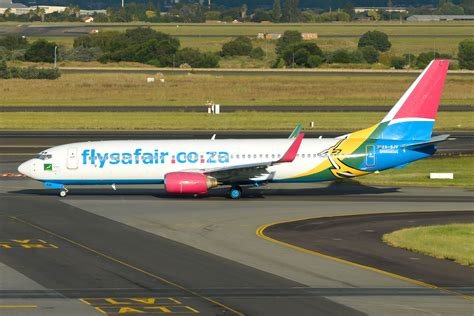
Mobile ticketing, real-time scheduling, and route optimization using AI and big data are slowly entering the African aviation space. As infrastructure improves and demand grows, African airlines will find more opportunities to scale efficiently and safely.
Conclusion: From Struggles to Skyline
The story of African airlines is one of resilience, ambition, and evolution. From colonial outposts to symbols of national pride, and from operational disasters to global alliances, the journey has been arduous. Yet, the skies of Africa are beginning to clear.
Strategic partnerships, technological innovation, and improved regulatory frameworks offer a path forward. While many challenges remain — including corruption, financing gaps, and infrastructure deficits — African aviation has matured into a vital, dynamic, and increasingly safe industry. With continued investment and vision, the airlines of Africa will not only connect cities but also catalyze continental growth and integration.