TAAG Angola Airlines has long stood as a symbol of Angolan sovereignty and global connection, transitioning from a colonial air service in the 1930s to a modern national flag carrier. As Angola’s principal airline, it reflects not only the historical trajectory of the nation but also its aspirations in aviation, commerce, and international diplomacy. With recent expansions, fleet modernization, and a shift to a new aviation hub, TAAG is undergoing a strategic transformation designed to reposition it as a competitive player on the global stage.
Origins in Colonial Airspace: The DTA Era (1938–1973)
Founded in 1938 under the name Divisão dos Transportes Aéreos (DTA) by the Portuguese colonial authorities, TAAG’s early operations were modest but pivotal. The airline initiated services in July 1940 with de Havilland Dragon Rapide biplanes, offering crucial domestic links in a region then largely inaccessible by road.
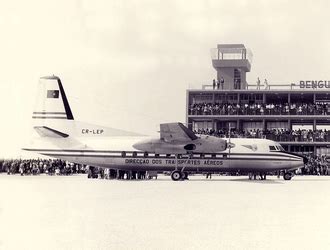
By 1944, the fleet expanded with Stinson Reliants, followed by Douglas DC-3s and Beech 18s in 1946, enabling a broader network that included Windhoek in Namibia and São Tomé. The 1960s brought the introduction of Fokker F-27 Friendships, signaling the airline’s ambition to professionalize and expand its regional footprint.
National Carrier Status and the Rise of TAAG (1973–1997)
A pivotal rebranding occurred in October 1973, when DTA officially became TAAG Angola Airlines. Just two years later, Angola gained independence from Portugal, and TAAG was named the nation’s official flag carrier. The early post-independence years were characterized by both rapid growth and substantial geopolitical tension, reflected in TAAG’s diverse fleet of Boeing 737-200s, Soviet-built Yakovlev Yak-40s, and larger long-haul aircraft like McDonnell Douglas DC-10s and Ilyushin Il-62Ms.
By the late 1990s, TAAG made headlines with its acquisition of a Boeing 747-300, marking a commitment to long-haul services and connecting Luanda with key Lusophone and Latin American markets.
Turbulence and Recovery: The EU Ban and Operational Reform (2007–2019)
TAAG faced a serious operational setback in July 2007, when the European Union banned the airline from entering EU airspace due to safety oversight deficiencies. This exclusion threatened critical routes to Portugal and other European hubs. In response, TAAG swiftly entered into wet-lease agreements with Boeing 747-400 operators and restructured its management board.
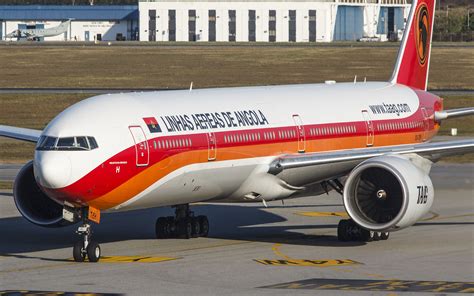
By 2009, partial access to Europe was restored after demonstrable improvements in safety compliance, and in April 2019, the EU fully lifted the ban, a testament to the airline’s commitment to reform. This era also marked the strategic renewal of the fleet, highlighted by the introduction of Boeing 777-200ERs and 777-300ERs, positioning TAAG as the first African airline to operate the latter type.
Strategic Alliances: The Emirates Partnership (2014–2017)
In 2014, TAAG entered into a landmark management concession agreement with Emirates Airline, bringing in expertise from one of the world’s most efficient carriers. During this three-year collaboration, Emirates helped reduce TAAG’s annual operating losses from US$175 million to just US$5 million by 2016. Key interventions included route optimization, revenue management upgrades, and service standard enhancements.
However, the partnership ended in 2017 amid issues surrounding foreign exchange and fund repatriation, yet the operational efficiencies introduced during this period have left a lasting legacy within the airline’s management culture.
Modern Rebirth: Post-Pandemic Expansion and Infrastructure Shift (2020–2025)
The global aviation downturn triggered by the COVID-19 pandemic in 2020 forced TAAG to suspend many of its operations, but the airline responded with a bold revival strategy. Utilizing the De Havilland Dash 8-Q400s for regional routes and ordering 15 Airbus A220-300s in 2023, TAAG is investing in fuel-efficient, passenger-friendly aircraft that align with evolving market demands.
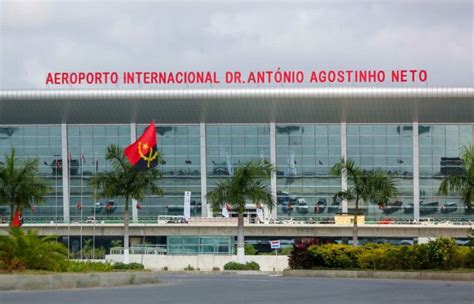
Equally transformative is the airline’s logistical pivot to the Dr. Antonio Agostinho Neto International Airport, which officially opened for TAAG operations on November 10, 2024. This state-of-the-art hub promises superior passenger and cargo handling capabilities and will serve as a launchpad for intercontinental expansion.
Fleet and In-Flight Services: A Modern Identity
As of March 2025, TAAG operates a diversified fleet of 26 aircraft, including:
- Airbus A220-300: Ideal for regional and medium-haul markets.
- Boeing 737-700: Short-haul reliability.
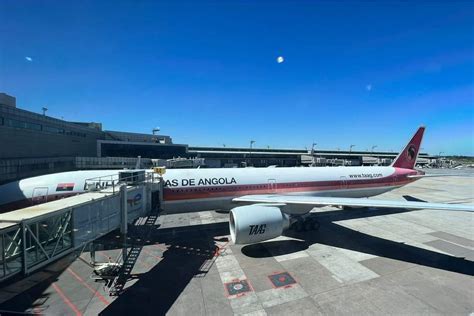
- Boeing 777-200ER/300ER: Flagship long-haul models.
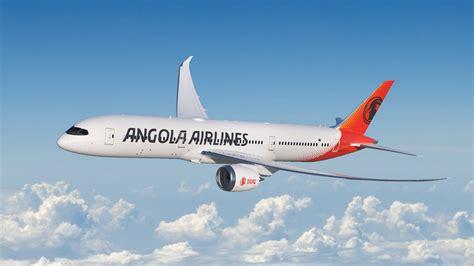
- Boeing 787-9 and 787-10: Cutting-edge efficiency and comfort.
- De Havilland Dash 8-Q400: High-performance turboprops for domestic sectors.
In line with global standards, TAAG offers three class configurations:
- Diamond First Class: Premium service with lie-flat seats, private cabins, and gourmet cuisine.
- Executiva Business Class: Ergonomic seats with extended recline and enhanced IFE (In-Flight Entertainment).
- HighFly Economy: Modern seating with AVOD (Audio Video on Demand) and complimentary meals.
TAAG is also rolling out Palanca, a new entertainment suite named after Angola’s national animal, which integrates personalized content, gaming, and flight information into a unified interface.
Cargo Operations and Revenue Diversification
The post-pandemic strategy has also emphasized the cargo segment, an area that previously received limited focus. With a 737-800BCF (Boeing Converted Freighter) and a dedicated Boeing 747-400F, TAAG is tapping into intra-African trade and intercontinental logistics, helping diversify revenue streams.
By 2022, these enhancements led to a modest net profit of US$800,000, marking one of the rare profitable years in TAAG’s history.
Corporate Management and Employment Evolution
TAAG remains 100% state-owned, currently steered by CEO Eduardo Fairen and CFO Vipula Gunatilleka, both appointed to usher in a new era of fiscal prudence and global ambition. Workforce size has shrunk from 5,700 employees in 1990 to approximately 2,700 by 2018, reflecting automation, outsourcing, and operational streamlining.
This leaner structure is better suited to competitive realities, ensuring the airline can focus on core business strengths and nimble decision-making.
Safety Milestones and Ongoing Challenges
Safety remains a top priority for TAAG, given its troubled record in earlier decades. Notable incidents include the 1983 Boeing 737 crash in Lubango, resulting in 130 fatalities—the deadliest in Angolan aviation history—and the 2007 runway overrun in Mbanza Congo, which claimed five lives. While non-fatal hull losses and a 2002 mid-air collision have marred its history, these have prompted a robust institutional focus on risk mitigation and pilot training.
The EU’s lifting of the safety ban in 2019 confirms the credibility of TAAG’s revamped safety oversight protocols and its compliance with ICAO and EASA standards.
Global Reach and Codeshare Synergy
Today, TAAG operates to 31 destinations, including:
- 13 domestic cities such as Lubango, Huambo, and Cabinda
- 11 African regional hubs including Johannesburg, Kinshasa, and Lagos
- Intercontinental destinations like Lisbon, São Paulo, Havana, and Dubai
The airline maintains codeshare agreements with 11 global carriers, enhancing connectivity and providing seamless ticketing and baggage handling across networks.
The Skyward Future of a National Symbol
As TAAG Angola Airlines transitions into its new infrastructural and strategic phase, its trajectory suggests not only a rebirth but a repositioning as a competitive, compliant, and culturally resonant African carrier. The launch of next-gen aircraft, innovative passenger services, and a modernized operational base points to a sustained effort in making Angola a regional aviation hub.
From its wartime origins to post-pandemic recovery, TAAG is not merely a carrier of passengers but a carrier of national identity, linking Angolans with the world while inviting the world to engage with Angola.