Flights to Antarctica are transforming the way modern travelers access Earth’s most remote and enigmatic continent. For decades, voyages across the tempestuous Drake Passage by sea were virtually the only route for adventurers aiming to reach the icy frontier. Today, a growing number of travelers are choosing to fly instead — dramatically cutting travel time, avoiding the high seas, and unlocking the inland regions of Antarctica once unreachable by traditional cruises.
Despite its isolation, Antarctica is no longer a mythical destination accessible only to researchers and explorers. Charter flights are opening the skies to tourism, albeit in tightly controlled and seasonally limited windows, typically from late November to early March. These aerial journeys provide a rare combination of efficiency, exclusivity, and awe-inspiring scenery — but also come with inherent risks tied to weather, logistics, and costs.
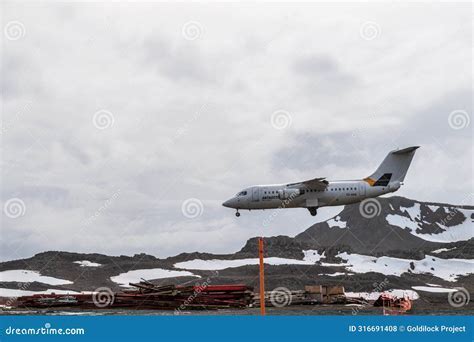
How Flights to Antarctica Work: Charter-Only Access
There are no scheduled commercial flights to Antarctica. All air travel to the continent is conducted via chartered aircraft operated as part of pre-arranged package deals. These include Fly & Cruise combinations, interior expeditions, and South Pole overflights — each tailored to specific tiers of adventure and access.
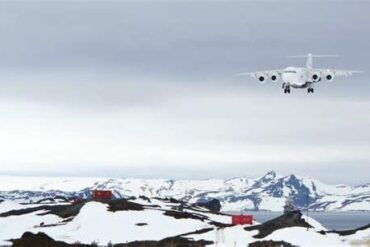
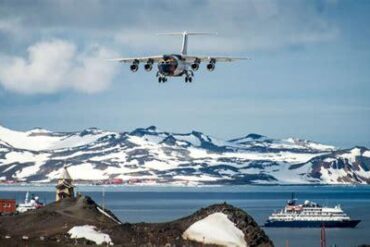
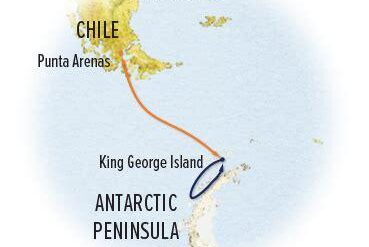
The most common flight route is from Punta Arenas, Chile, to King George Island, located in the South Shetland Islands just off the Antarctic Peninsula. Roughly 98% of all Antarctic flights follow this pathway, offering a two-hour alternative to a notoriously rough sea voyage.
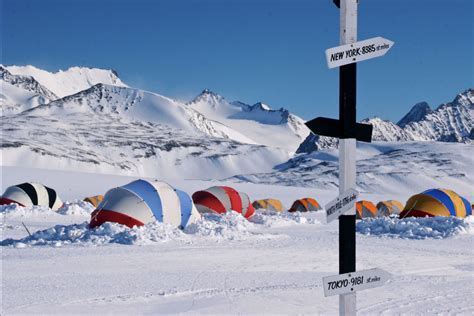
For more intrepid travelers, longer-range aircraft such as the Ilyushin IL-76 or Beechcraft King Air 300 open access to the South Pole, Union Glacier Camp, and even Mount Vinson in the Ellsworth Mountains. These missions go far beyond the coastal touchpoints accessible by ship.
Aircraft Used for Antarctic Flights
Because of the extreme conditions and lack of paved runways, only specially modified aircraft are used for Antarctic charter flights. These planes must land on gravel, blue ice, or compacted snow runways.
Common aircraft include:
-
BAE-146: Short takeoff and landing jet with reinforced landing gear; often used for flights to King George Island.
-
Twin Otter: Lightweight, twin-engine turboprop ideal for shorter inland hops.
-
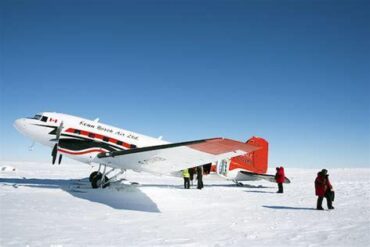
Basler BT-67: A modernized DC-3 adapted for polar operations.
-
Ilyushin IL-76TD: Long-range, heavy cargo and passenger jet; capable of deep interior flights.
-
Beechcraft King Air 300: Used for elite, low-passenger flights to remote areas such as the South Pole.
These aircraft are operated by seasoned Antarctic pilots who are highly trained to navigate rapid weather shifts, whiteout conditions, and the lack of radar coverage over large swaths of the continent.
Key Benefits of Flying to Antarctica
The decision to fly to Antarctica is motivated by several powerful advantages:
1. Time Savings:
Ship-based expeditions often require 2–3 days each way to cross the Drake Passage. Flights from Chile to King George Island, by contrast, take just two hours.
2. Comfort and Stability:
By flying, passengers avoid the notoriously rough seas of the Drake Passage — a major deterrent for those prone to motion sickness.
3. Access to the Interior:
Ships are restricted to coastal waters. Flights can reach deep inland destinations such as the South Pole, Union Glacier, and Lake Vostok, giving travelers unprecedented access.
4. Unique Experiences:
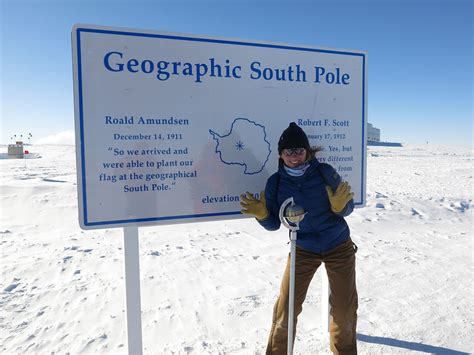
Activities such as ice climbing, overnight glacier camping, and South Pole ceremonies are only possible through fly-in programs.
Trade-offs and Challenges of Antarctic Air Travel
Despite the advantages, flying to Antarctica is not without its own set of complications:
Unpredictable Weather:
Sudden fog, whiteouts, and blizzards can delay flights for hours or even days. Contingency planning is essential for travelers.
Limited Availability:
Flights operate only during the Antarctic summer. Packages typically sell out 12–18 months in advance, and weather cancellations can compress the already short season.
Luggage Restrictions:
Passengers are limited to around 15 kilograms (33 pounds) of luggage due to aircraft capacity constraints. Travelers must pack strategically with warm but lightweight gear.
Cost Premium:
Flights are significantly more expensive than cruise-based itineraries. Air packages cost about 20% more, with interior journeys to the South Pole sometimes priced in excess of $50,000.
Fly & Cruise Packages: The Best of Both Worlds
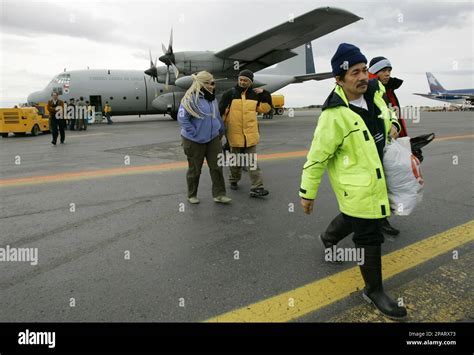
To balance cost and comfort, many travelers opt for Fly & Cruise itineraries. These programs include a one-way or round-trip flight between Punta Arenas and King George Island, followed by a multi-day cruise along the Antarctic Peninsula.
Benefits of Fly & Cruise include:
-
Avoiding both legs of the Drake Passage.
-
Maximizing time spent in Antarctica.
-
More budget-friendly than full fly-in interior expeditions.
-
High availability of luxury ships and guided excursions.
Fly & Cruise trips typically last between 7 to 12 days, providing ample time for landings, photography, and wildlife encounters — including penguins, whales, and leopard seals.
Exclusive Interior Expeditions
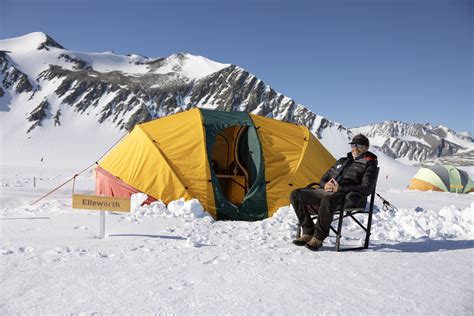
Beyond the peninsula, elite travelers may pursue high-altitude, high-cost expeditions deep into the Antarctic interior. These are often facilitated by organizations such as White Desert or Antarctic Logistics & Expeditions (ALE).
These expeditions include:
-
South Pole Fly-In: A 7–10 day experience including a visit to Amundsen-Scott Station.
-
Mount Vinson Climb: An elite mountaineering program targeting Antarctica’s highest peak (4,892 meters).
-
Emperor Penguin Colonies: Reached by Twin Otter flights to Cape Washington or Gould Bay.
Interior programs offer scientific briefings, glaciologist lectures, and often include luxury ice pods or custom-built expedition camps with surprising comfort in sub-zero environments.
Booking Tips and Traveler Advice
Given the complexity of flying to Antarctica, planning is critical. Here are essential tips:
-
Book Early: Reserve seats at least 12 months in advance. Top operators fill quickly.
-
Monitor Weather Windows: Allow flexible travel days in case of delays.
-
Pack Light, Pack Right: Emphasize thermal layers, waterproof outerwear, and compact gear.
-
Insure Your Trip: Choose comprehensive insurance that covers weather-related cancellations and emergency evacuations.
-
Choose Reputable Operators: Look for accredited providers with extensive polar experience and transparent safety protocols.
Conclusion: Aerial Access to Earth’s Last Frontier
Flying to Antarctica represents a remarkable evolution in polar tourism — one that merges modern aviation with timeless exploration. While still a logistical and financial commitment, air travel to the White Continent is more feasible, luxurious, and impactful than ever before. For those who seek to witness Antarctica’s staggering landscapes without the hardship of long sea crossings, charter flights offer a revolutionary pathway.
Whether it’s standing at the bottom of the Earth, camping on a glacier beneath the southern stars, or walking among penguin colonies with no ship in sight — a flight to Antarctica is not just a means of transport, but a gateway to the extraordinary.
FAQ
How long is the flight to Antarctica from Chile?
Flights from Punta Arenas or Puerto Natales to King George Island take approximately 2 hours, depending on weather and aircraft type. Longer flights to interior destinations such as the South Pole may take up to 7 hours.
Can you fly directly to the South Pole?
Yes, but only via charter as part of specialized expedition packages. These flights typically depart from Union Glacier basecamp using aircraft like the Beechcraft King Air 300. They are costly and subject to extreme weather delays.
Is flying to Antarctica safer than sailing?
Both have risks. Flying avoids Drake Passage turbulence and is faster, but can be delayed for days due to unpredictable Antarctic weather. Sailing is longer and rougher but offers continuous progress unless severe storms intervene. Travelers should choose based on comfort, time, and personal preference.