The Allure of an Aerial Journey to Antarctica
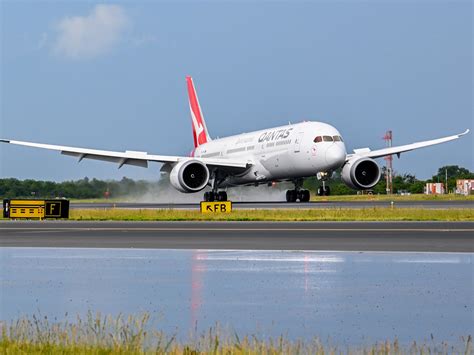
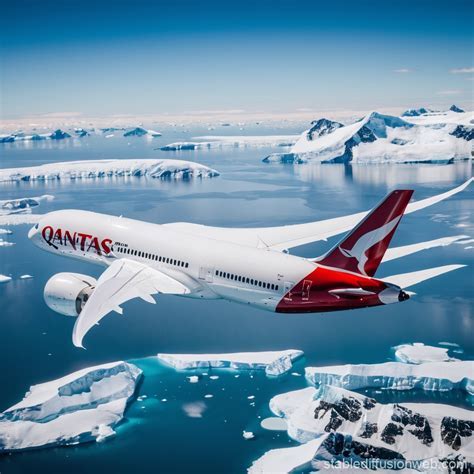
In an era where travel has become increasingly immersive, few experiences rival the majestic allure of flying over Antarctica. Operated by Antarctica Flights in collaboration with Qantas, this once-in-a-lifetime journey from Sydney offers a rare window into the most remote, least visited continent on Earth — all without stepping off the aircraft. We delve into the full experience of the Antarctica sightseeing flight aboard the Boeing 787 Dreamliner, covering everything from pre-flight logistics to the awe-inspiring views over glacial landscapes.
From Curiosity to Commitment: Booking the Antarctic Dream
The process begins with the spark of intrigue — a curiosity piqued by updated reviews and recent passenger reports. After evaluating the available seating classes and pricing tiers, passengers can book directly through Antarctica Flights. Notably, no passport is needed, as these flights are classified as domestic, departing from Sydney’s Terminal 3.
What distinguishes the process is the element of surprise: while passengers select a cabin class, seat numbers are not assigned until check-in, maintaining a sense of adventure. Two weeks before departure, travelers receive an info pack featuring a commemorative brochure, a detailed Antarctica map, expedition notes, a flight DVD order form, a souvenir guide, and a health declaration questionnaire.
Seating Classes and Pricing Structure
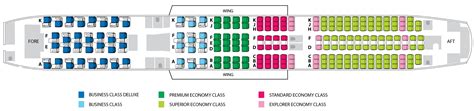
One of the defining features of the experience is its tiered seating model, designed to cater to both budget-conscious adventurers and luxury-seekers:
-
Business Class Deluxe – $7,999 (Dark Blue)
-
Business Class – $6,499 (Light Blue)
-
Premium Economy – $3,999 (Dark Green)
-
Superior Economy – $3,199 (Light Green)
-
Standard Economy – $2,199 (Dark Pink)
-
Explorer Economy – $1,199 (Light Pink)
Each class has distinct pros and cons regarding viewing angles, comfort levels, and value for money. Crucially, passengers swap seats mid-flight to ensure equitable access to the panoramic scenery.
Pre-Flight Essentials: What to Pack
For a flight that never lands but promises intense visual stimulation, preparation is key. Recommended essentials include:
-
A high-zoom digital camera (such as the Canon G7X Mark III) and spare batteries
-
Polarized sunglasses to reduce glare from the ice
-
An iPad, Kindle, or other media device for downtime
-
A reusable face mask, as per ongoing health protocols
-
The official Antarctica map and expedition guide
Passengers are advised to skip warm clothing, neck pillows, or foot hammocks. The Dreamliner’s cabin comfort, built-in blanket service, and ergonomic seat design negate the need for such extras.
Check-in, Security, and Boarding: A Smooth Start
On the day of departure, check-in begins early with a streamlined process. Travelers are issued seats at the gate and proceed through a standard domestic terminal experience enhanced by COVID-safe screening and contactless temperature checks. The absence of immigration clearance underscores the uniqueness of the venture — a transcontinental expedition without international travel formality.
Inside the Dreamliner: A Premium Viewing Platform
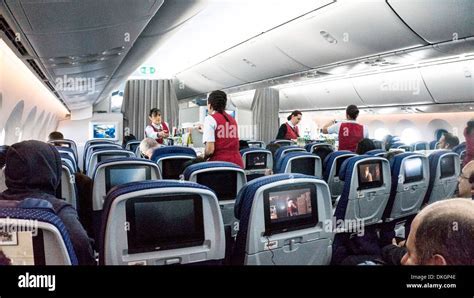
The Boeing 787 Dreamliner, which replaced the retired Boeing 747s, offers a superior sightseeing platform. Key features enhancing the Antarctic experience include:
-
18-inch electronic dimmable windows that minimize reflection and allow for seamless photography
-
Ergonomic neck-rests and legroom across all classes
-
USB ports, device outlets, and mini shelf holders
The cabin ambiance shifts throughout the flight, from natural blue tones of dawn over the ocean to the stark, ice-white brilliance of Antarctica.
Inflight Service and Dining
Dining is strategically placed around the sightseeing schedule. Brunch is served before reaching the sea ice, with dinner following the sightseeing segment. Meal service includes:
-
Gourmet brunch and dinner entrees
-
Snacks such as Tim Tams, hot sausage rolls, cheese and crackers, pretzels, and almonds
-
Alcohol and bottled water in eco-friendly cups
Snack service is limited during the sightseeing window to prevent distraction during the main event.
The Antarctic Spectacle: A Moving Canvas of Ice and Sky
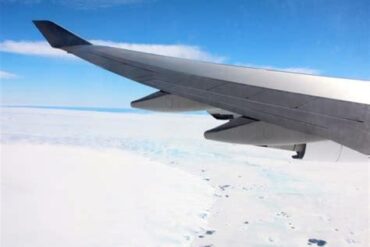
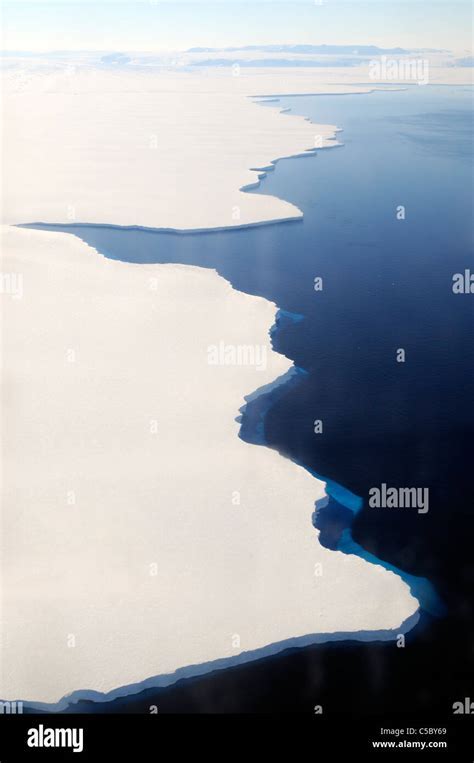
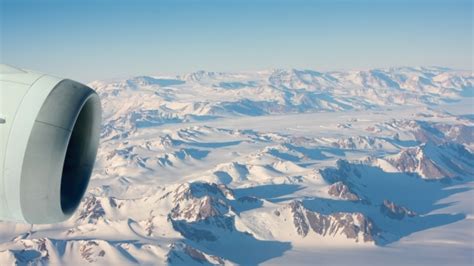
Approximately four hours into the flight, the ocean begins giving way to scattered sea ice, building anticipation as passengers approach the Antarctic mainland. Once over the continent, the plane banks left and right, offering window-seat views of the continent’s most awe-inspiring landmarks.
Highlights include:
-
Balleny Islands
-
Mount Minto (elev. 4,165 m)
-
Admiralty Mountains and Mount Sabine
-
Cape Adare, Cape Hallett, and Tucker Glacier
-
Drygalski Ice Tongue and Coulman Island
-
Mount Murchison, Mawson Glacier, and Cape Washington
The Captain adjusts the route in real time, based on weather conditions, ensuring optimal visibility. Complementing the visual immersion is a live commentary from an Antarctic researcher stationed at Casey Station and acclaimed documentary filmmaker Peter Hicks.
Seat Swapping: Ensuring Fairness in Viewing
Halfway through the sightseeing phase, passengers conduct a well-orchestrated seat swap under supervised health protocols. This initiative ensures that every traveler gains access to window views, especially critical in the more economical cabin classes.
The transitions are smooth, with sanitization procedures in place, and are handled with precision by the trained Qantas crew.
Return Leg: Raffles, Reflections, and Closing Moments
As the Dreamliner turns northward back toward Sydney, the aircraft transitions into a celebratory tone. Dinner service resumes, and passengers are invited to participate in auctions and raffles benefitting the Mawson’s Huts Foundation. Items include:
-
A 100-million-year-old rock recovered near Cape Denison
-
Limited edition Antarctic whiskey
-
Rare signed memorabilia and high-resolution prints
The experience is rounded off with a sense of camaraderie, purpose, and awe — a journey across time and terrain, preserved through photos, memorabilia, and personal transformation.

Cabin Class Recommendations
While every seat offers access to the same route, the viewing experience is significantly impacted by location and window access:
-
Explorer Economy: Economical but limited viewing; recommended only for budget travelers who value the experience over the view.
-
Standard Economy: Slightly better, though wing obstruction is a drawback.
-
Superior Economy: Strong value-for-money choice with good visibility.
-
Premium Economy: Larger seats but sometimes compromised views.
-
Business Class: Offers consistent window seating, optimal space, and exclusive perks.
-
Business Class Deluxe: Top-tier luxury and uninterrupted views — the ultimate Antarctic flight experience.
Final Verdict: An Unforgettable Aerial Odyssey
The Antarctica flight from Sydney is more than a scenic joyride — it is a transformative exploration into one of Earth’s final frontiers. The Qantas-operated Dreamliner performs impeccably, the staff provide elevated service under exacting conditions, and the sheer majesty of the Antarctic landscape moves even seasoned travelers to speechlessness.
Though not inexpensive, the flight delivers on every front: logistics, visual grandeur, sustainability impact, and emotional resonance. It is a triumph of aviation tourism and a gift to those who dream of the ice.
FAQ: Frequently Asked Questions
Is it safe to fly over Antarctica?
Yes, these flights are conducted by Qantas using Boeing 787 Dreamliners — aircraft specifically chosen for their long-range capabilities and advanced safety features. The flight path is carefully planned and constantly monitored, with medical and safety precautions fully in place.
Do you land in Antarctica during the flight?
No. This is a scenic flyover experience, not a landing expedition. The benefit is unparalleled aerial access to the continent’s highlights without the physical and logistical challenges of disembarkation.
What makes this flight worth the price?
The cost covers more than just flight time. It funds carbon offset initiatives, supports Antarctic preservation foundations, employs specialist expedition staff, and provides an exclusive, unrepeatable view of one of Earth’s most inaccessible landscapes. For many, it’s a personal milestone and a spiritual encounter with nature’s raw power.