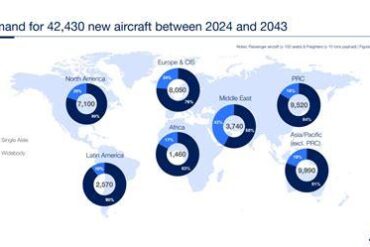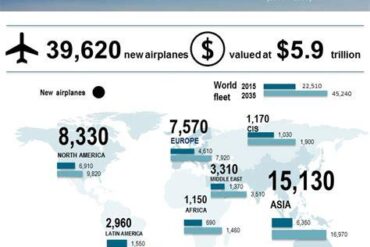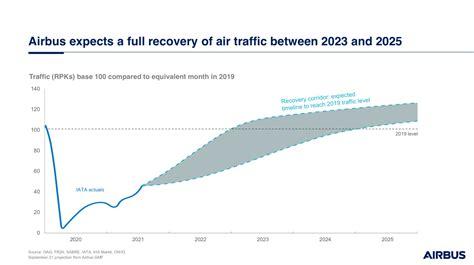
The aviation industry stands on the cusp of a historic transformation as Airbus SE unveils its long-term forecast: the global commercial aircraft fleet will more than double by 2044, soaring to nearly 50,000 planes. This unprecedented growth will be fueled primarily by booming air travel demand in emerging markets — none more pivotal than India, where a rapidly expanding middle class is increasingly embracing the skies. The ripple effects of this shift are set to redefine the contours of global travel and tourism, with India at its epicenter.
India, already the world’s third-largest domestic aviation market, is now hurtling toward becoming the fastest-growing air travel market globally. The surge in disposable income, economic liberalization, and a young, mobile population has made flying not just a luxury but a mainstream mode of transportation. This trend is not fleeting; it is cemented by the massive aircraft orders placed by India’s leading airlines. Air India alone has committed to purchasing 570 aircraft from Airbus and Boeing since 2023. Meanwhile, IndiGo, India’s largest carrier by fleet size, has a staggering backlog of over 900 Airbus aircraft, including 60 A350 widebody jets aimed at expanding its long-haul capabilities.
This aggressive fleet expansion signals a decisive shift in the subcontinent’s aviation strategy. As these aircraft are gradually inducted into service, they will unlock new domestic and international routes, bolster airline capacity, and improve affordability for the average traveler. Air travel in India is evolving from a privilege to a widely accessible utility, and this democratization of the skies will generate powerful knock-on effects throughout the economy.
India’s Aviation Surge: Catalyst for Global Connectivity
The Airbus forecast predicts a 3.6% annual growth rate in global passenger traffic through 2044, much of it stemming from Asia’s vibrant economies. India’s contribution to this boom is not just in terms of outbound passengers but also in transforming the country into a hub for inbound tourism, international business, and regional travel linkages. India’s geographical position, nestled between Southeast Asia and the Middle East, makes it an ideal fulcrum for connecting western and eastern travel corridors.
As connectivity improves, so too does the traveler experience. Airlines will be able to offer more direct flights, reduce layovers, and compete aggressively on pricing. Destinations in tier-2 and tier-3 Indian cities—such as Lucknow, Coimbatore, Surat, and Bhubaneswar—are already seeing increased air traffic as new routes are launched, which, in turn, draws investment in infrastructure, hospitality, and retail. The result is a proliferation of travel options and the gradual emergence of new tourist hotspots across India.
Tourism Boom: India as a New Epicenter of Global Travel
With aircraft availability rising, the Indian tourism industry is poised to undergo a tectonic transformation. The enhanced air access will not only entice more international tourists but also spark a resurgence in domestic travel. Historically, destinations like the Golden Triangle (Delhi, Agra, Jaipur) or Goa and Kerala dominated international itineraries. Now, with improved flight access, the spotlight will shift to less explored gems such as Hampi, Ziro Valley, Khajuraho, and the Andaman Islands.
More air routes translate into more travel packages, increased hotel occupancy, and broader cultural exchange. Local economies will benefit directly through job creation in aviation, hospitality, ground services, and allied sectors. Travel agencies, online platforms, and tour operators are already recalibrating their offerings to accommodate this boom, while luxury and budget segments alike are being tapped to maximize revenue.
The expected growth, however, will not be without growing pains. Existing airports in cities like Mumbai, Delhi, Bengaluru, and Hyderabad are nearing saturation, and massive investments in airport infrastructure, logistics, and customer service technology are imperative to maintain passenger satisfaction. New airport projects in Noida, Navi Mumbai, and Jewar are already in motion, reflecting proactive measures by the Indian government.
Economic Multiplier Effect: Aviation as a Pillar of India’s GDP
Airbus’s projection isn’t just a number—it’s an economic indicator. The expected surge in aircraft fleet and passenger volume could significantly boost India’s GDP, particularly through sectors reliant on rapid, reliable connectivity. Aviation contributes directly to employment, trade, investment, and tourism, all of which are experiencing tailwinds from this mega-shift.
For every million passengers, an estimated 4,000 direct and indirect jobs are created across sectors such as airport management, ground handling, catering, aviation fuel supply, and maintenance. A growing fleet also means increasing reliance on aircraft engineers, pilots, flight crew, and logistics coordinators. Recognizing this need, several aviation academies and pilot training schools have begun expanding their intake and offerings to supply the required workforce.
Supply Chain Bottlenecks: A Drag on Aspirations
The growth narrative, however, must contend with real-world constraints, particularly in the supply chain. Ongoing delays in the delivery of aircraft, engines, and parts—exacerbated by post-COVID manufacturing lags—pose risks to fleet expansion timelines. Airbus and Boeing, despite full order books, are struggling with engine availability, titanium supply shortages, and labor constraints in their global factories.
This creates a gap between what airlines want and what they can actually deploy. For example, IndiGo’s expansion plans hinge on the timely delivery of its A320neo jets, many of which have already faced delays due to Pratt & Whitney engine shortages. Airlines are being forced to lease older aircraft or delay route launches, compromising profitability and passenger experience.
Sustainability Demands: A New Standard in Air Travel
Even as India’s aviation market takes off, it must navigate the turbulence of climate accountability. The aviation sector contributes to roughly 2.5% of global CO2 emissions, and scrutiny over its environmental impact is growing rapidly. Future travelers—especially Gen Z and millennials—are becoming more eco-conscious, influencing airline procurement and fuel policies.
To that end, fuel-efficient aircraft such as the Airbus A320neo, A350, and Boeing’s 737 MAX are being prioritized for their ability to reduce fuel consumption by up to 20% compared to previous models. Many Indian airlines are now actively participating in carbon offset programs and exploring the use of Sustainable Aviation Fuel (SAF). Government initiatives like Ude Desh ka Aam Nagrik (UDAN) are also incorporating environmental considerations into route viability and subsidy allocation.
India’s Strategic Imperative: Navigating Future Skies
India’s role in the unfolding aviation expansion is not passive—it is strategic. With its vast domestic demand, geographic advantage, and tech-savvy population, India is poised to emerge as a global aviation powerhouse. To realize this vision, however, strategic policymaking, public-private partnerships, and sustainable practices must be synchronized.
The Ministry of Civil Aviation has already indicated plans to increase the number of airports from 148 to over 200 by 2027, and policy reforms like 100% FDI in aviation have created a more liberalized and investor-friendly environment. The question is not whether India can meet this opportunity—but how efficiently it will adapt to manage the growth.
Conclusion: A Takeoff That Redefines the Global Travel Map
Airbus’s forecast of a 50,000-strong global aircraft fleet is more than an industrial prediction—it is a vision of a future defined by mobility, access, and opportunity. India stands not just as a beneficiary but as a catalyst of this change. As the country invests in aircraft, infrastructure, and innovation, it is building not just runways and terminals, but entire economic ecosystems that will redefine how the world travels.
From bustling metros to remote corners, air travel will increasingly connect India’s people, ideas, and aspirations. The challenge will lie in managing growth without compromising on safety, sustainability, or passenger experience. If navigated wisely, India’s aviation revolution will serve as a blueprint for emerging markets worldwide, proving that with vision and investment, the sky is no longer the limit—it’s just the beginning.