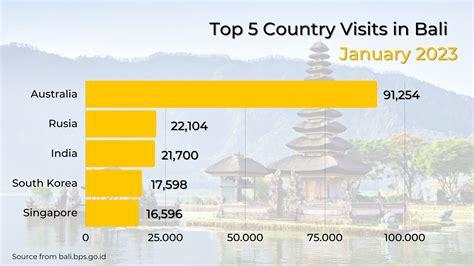
Australia and Bali have long shared an unshakable bond as favorite holiday partners. But in 2026, this relationship has escalated to record-breaking levels, as a staggering 38 daily flights now connect major Australian cities with Ngurah Rai International Airport (DPS). From the urban sprawl of Sydney to the beaches of the Gold Coast, Aussies are flying to Bali like never before, igniting one of the most dynamic air travel corridors in the Asia-Pacific region.
The Explosion of Direct Connectivity Across Australia
Nearly every major Australian airport—Adelaide, Brisbane, Cairns, Darwin, Gold Coast, Melbourne, Newcastle, Perth, and Sydney—now offers non-stop flights to Bali, leaving Hobart as the only major outlier. The comprehensive air access opens Bali to millions of Australian travelers, providing seamless, same-day travel to the island’s beaches, jungles, and party hubs. Looking ahead, this reach is set to expand further, with Melbourne Avalon and the Sunshine Coast poised to join the lineup in March 2026.
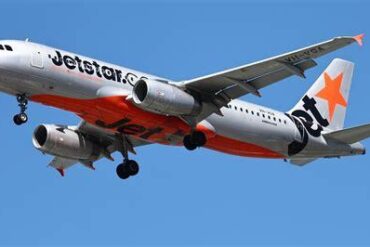
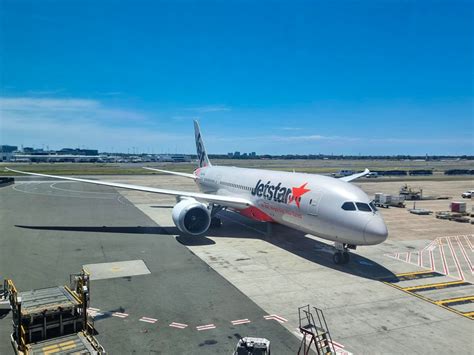
Jetstar, the budget arm of Qantas, leads this airlift. The airline has effectively staked its claim as the top carrier to Bali, with services from cities like Cairns and Newcastle where it enjoys a monopoly. New routes from Avalon and Sunshine Coast will only deepen its market dominance.
Perth: The Unofficial Launchpad to Bali
No city matches Perth’s scale of connectivity to Bali. Between January and August 2026 alone, Perth International Airport will see more than 2,610 non-stop flights to DPS—averaging 76 weekly departures. That number doubles when counting return services, emphasizing Perth’s pivotal role as the gateway between Australia and Indonesia.
This western hub sees a rich mix of carriers battling for market share:
- Indonesia AirAsia operates 5 daily Airbus A320 flights
- Jetstar Airways follows with 3 daily Airbus A320 flights
- TransNusa adds 2 more daily Airbus A320 services
- Batik Air Malaysia and Batik Air Indonesia each contribute daily frequencies
Record Growth: 11% Increase Year Over Year
From January to August 2026, there are 8,533 one-way flights scheduled from Australia to Bali—an 11% increase compared to the same period in 2025. Jetstar continues to outperform every other player in the market, scheduling 3,520 outbound services, more than double its closest competitor.
| Airline | Total Flights | Avg / Month | Avg / Week |
|---|---|---|---|
| Jetstar | 3,520 | 440 | 103 |
| Indonesia AirAsia | 1,403 | 175 | 41 |
| Virgin Australia | 1,066 | 133 | 31 |
| Batik Air Malaysia | 892 | 111 | 26 |
| TransNusa | 590 | 73 | 17 |
| Garuda Indonesia | 561 | 70 | 16 |
| Qantas | 414 | 51 | 12 |
| Batik Air (Indonesia) | 87 | 10 | 2 |
| Total Market | 8,533 | — | — |
Melbourne and Sydney: Heavyweights in the Bali Market
While Perth dominates in frequency, Melbourne Tullamarine Airport (MEL) holds a strong second, with 2,186 scheduled flights to Bali between January and August 2026—equivalent to 64 weekly departures. The route is served by six carriers, including Jetstar, Qantas, Virgin Australia, Batik Air Malaysia, Garuda Indonesia, and the newly added Indonesia AirAsia from March.
Avalon Airport (AVV), just under an hour from Melbourne CBD, will soon contribute to this momentum with Jetstar operating five weekly flights from March 2026. This diversification underscores a critical trend: airlines are tapping into secondary airports to ease congestion and serve growing regional demand.
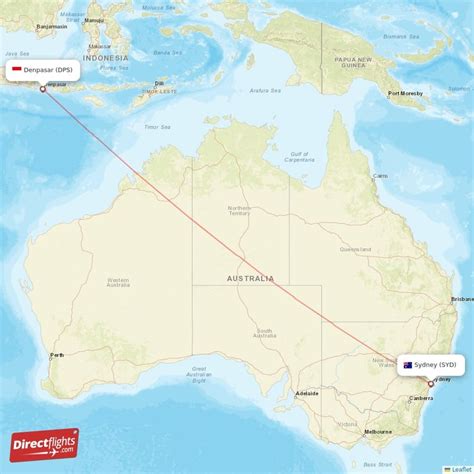
Not far behind, Sydney Kingsford Smith Airport (SYD) tallies 1,421 non-stop flights to Bali over the same period. With a weekly average of 41 flights, Sydney solidifies its position as the third-largest Australian-Bali market. The competition here is fierce, with five full-service and low-cost carriers battling for passengers.
Choice and Competition Define the Market
What makes this market particularly appealing to Australian travelers is the balance of low-cost accessibility and premium options. Eight airlines compete aggressively on price, service, and convenience, offering something for every type of traveler—from backpackers and surfers to honeymooners and families.
Budget travelers benefit enormously from Jetstar and Indonesia AirAsia’s dense networks and low fares. Meanwhile, those seeking a premium experience can turn to Qantas, Batik Air, or Garuda Indonesia, all offering full-service perks including in-flight meals, entertainment, and increased baggage allowances.
This diversity of carriers ensures healthy price competition, forcing even premium airlines to remain competitive. It also reflects a broader shift in consumer preferences, where travelers are more informed, demanding more value regardless of budget.
What’s Driving the Demand Surge?
The dramatic surge in air connectivity can be traced to multiple macro trends:
- Post-pandemic travel revival, with Bali remaining a go-to destination for Australians seeking sun, surf, and spa
- Digital nomad and remote worker movement, with Bali’s lifestyle appeal drawing long-term Australian residents
- Affordability of Indonesian holidays, relative to domestic or European alternatives
- Government and airline investment in tourism infrastructure, especially around Ngurah Rai Airport and new secondary airport expansions in Australia
These factors combined have created a perfect storm for sustained growth, with the Australia-Bali corridor emerging as one of the busiest international leisure markets in the Southern Hemisphere.
Looking Ahead: Beyond 2026
As more cities come online and carriers expand their fleets, it’s likely that the record 38 daily flights will be surpassed even before the end of 2026. Future developments such as the proposed North Bali International Airport and further LCC route launches from regional Australian cities will only cement this route’s dominance.
For now, the Australia-Bali air bridge is a shining example of market resilience and opportunity, connecting two cultures with shared histories, economic synergies, and a mutual love for leisure.