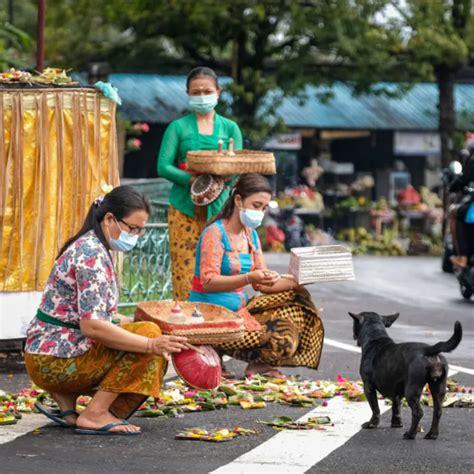
Bali, an Indonesian island celebrated for its breathtaking landscapes and vibrant culture, is currently grappling with a serious health crisis that has caught the attention of travelers worldwide. The recent surge in rabies cases, particularly in popular tourist spots like Ubud, has led to travel advisories being issued by health authorities in the United States, United Kingdom, and Australia. These warnings underscore the urgent need for travelers to be aware of the risks associated with rabies exposure while visiting this idyllic destination.
Rabies is a fatal viral disease that affects the central nervous system, primarily transmitted through bites, scratches, or saliva from infected animals. In Bali, the most common carriers of this virus are stray dogs and monkeys, which are frequently encountered in areas teeming with tourists. Although rabies has been an ongoing issue in Bali, the recent confirmation of rabies in local animal populations has prompted a swift response from health authorities as the influx of international visitors increases.
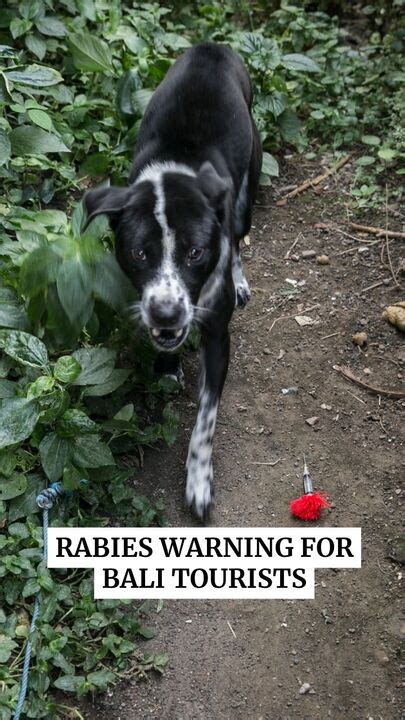
Rising Rabies Threat in Bali: What Travelers Should Know
In light of the escalating situation, the U.S. Centers for Disease Control and Prevention (CDC), the U.K. Foreign, Commonwealth & Development Office (FCDO), and Australia’s Department of Foreign Affairs and Trade (DFAT) have all issued travel advisories regarding the risks of rabies exposure in Bali. The CDC’s advisory highlights the importance of being vigilant about contact with animals and emphasizes that travelers should ensure their insurance policies cover rabies exposure. It also recommends seeking immediate medical care if bitten or scratched and considering pre-exposure rabies vaccinations for those planning extended stays or engaging in adventurous activities.
Similarly, the FCDO has urged British travelers to be mindful of rabies risks and to seek prompt medical advice following any interaction with animals. The agency has pointed out the difficulties in accessing rabies vaccinations in more remote areas, advising travelers to either remain in urban regions or carry essential medications should they require treatment after an animal encounter.
The DFAT has echoed these sentiments, specifically addressing the alarming rise in rabies cases among tourist hotspots in Bali. Australian travelers are strongly advised to avoid contact with animals, particularly monkeys and dogs, and to report any bites or scratches to local medical authorities as soon as possible. The DFAT has also recommended that travelers consider receiving rabies vaccinations prior to their journey.
Bali’s Efforts to Combat Rabies
In response to the increasing number of rabies cases, local officials in Bali are intensifying efforts to curb the spread of the disease. These initiatives include expanding vaccination programs for stray dogs and closely monitoring wildlife in tourist-heavy areas such as the Sacred Monkey Forest in Ubud. Despite these efforts, stray animals, especially dogs and monkeys, continue to pose significant challenges to public health.
Local authorities have launched educational campaigns aimed at tourists, advising them against feeding or interacting with animals, as well as encouraging them to seek medical treatment immediately if bitten or scratched. Numerous health dispensaries across the island provide Post-Exposure Prophylaxis (PEP) for those who suffer animal bites. However, the recent spike in rabies cases, particularly in the Gianyar Regency and Nusa Dua, has drawn considerable international scrutiny.
How Tourists Can Protect Themselves
Travelers planning to visit Bali should exercise caution and adhere to the guidelines provided by health authorities. To minimize the risk of rabies exposure, tourists are advised to follow these essential precautions:
- Don’t Touch Animals: The foremost recommendation is to avoid any interaction with stray dogs, cats, and monkeys. This includes refraining from feeding or petting these animals, as they may be rabies-positive.
- Get Medical Help Right Away: If bitten or scratched, it is crucial to wash the affected area immediately with soap and water and seek medical assistance, especially if the animal is a stray or wild.
- Think About the Rabies Vaccine: For those intending to stay in Bali for extended periods or participating in activities that may increase their risk, pre-exposure rabies vaccination is advisable. This is particularly important for long-term travelers, veterinarians, and individuals living or working near wildlife habitats.
- Stay Updated: Travelers should keep abreast of local health advisories and comply with any guidance issued by health officials. It is also wise to check with airlines for any updates before embarking on their journey.

Summary: Safety Amidst the Beauty
Despite the persistent threat of rabies, Bali remains one of Asia’s most sought-after tourist destinations, attracting millions of visitors each year thanks to its stunning scenery, rich cultural heritage, and welcoming atmosphere. While tourists can still safely enjoy the wonders of the island, it is imperative to take necessary precautions to protect themselves from potential health risks.
As travelers contemplate a trip to Bali, it is crucial to heed travel advisories from the U.S., U.K., and Australia and to stay informed about the latest health concerns. By following simple yet effective safety measures, tourists can mitigate risks and fully embrace the enchanting experience that Bali has to offer. Although Bali is generally safe for most travelers, being cognizant of health alerts and making informed decisions is essential for ensuring a pleasant and secure holiday on this beautiful island.