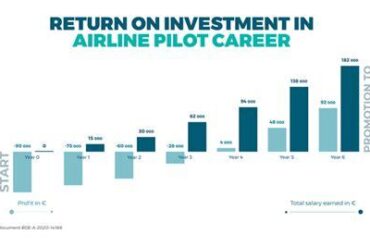
One of the most surprising realities of the American airline industry is that two pilots working for the same airline, flying the same aircraft type, and having similar experience can earn dramatically different annual incomes simply because they are based in different cities. While outsiders often assume airline compensation is straightforward, the truth is that pay is deeply intertwined with seniority systems, aircraft assignments, scheduling opportunities, and domicile strategy.
The result is a career environment where choosing a home base is not merely a lifestyle decision. It can become one of the biggest financial decisions a pilot ever makes, potentially adding well over $100,000 per year to total earnings while also influencing quality of life, career progression, and time spent with family.
For aspiring aviators and experienced airline crews alike, understanding how base selection affects compensation provides valuable insight into why certain hubs remain highly competitive while others consistently attract ambitious pilots seeking faster advancement.
After all, in commercial aviation, location often translates directly into opportunity.

Why Airline Pilot Pay Is More Complex Than Most People Realize
Most major US airlines publish standardized pay scales that are determined by three primary factors:
- Years of service with the company
- Aircraft type
- Seat position, such as first officer or captain
This structure creates the impression that every pilot at a given airline earns roughly the same amount under identical circumstances. In reality, published hourly rates represent only the foundation of total compensation.
The actual number of hours flown each month, premium trips accepted, overtime opportunities, reserve utilization, international flying, and schedule efficiency all significantly influence yearly earnings. Those variables differ dramatically depending on the pilot’s assigned domicile.
Consequently, two pilots with identical hourly wages can finish the year with vastly different W-2 incomes because one consistently flies higher-value schedules while another spends considerable time on reserve or receives less productive trip assignments.
The Seniority System Shapes Every Career Decision
At virtually every major US airline, seniority governs nearly every aspect of employment.
Upon hiring, each pilot receives a permanent place on the company’s seniority list based on hiring date. Future promotions, aircraft upgrades, vacation selections, monthly schedules, and transfers to new domiciles are awarded according to that ranking.
Because seniority resets when changing employers, many pilots remain with their chosen airline for decades despite opportunities elsewhere.
The importance of seniority extends beyond promotions. It also determines which pilots receive preferred schedules and premium flying opportunities. Higher-ranked pilots generally obtain more desirable trips that maximize pay while reducing unnecessary downtime.
Meanwhile, junior crewmembers frequently spend extended periods assigned to reserve duty, remaining available for unexpected operations rather than flying predictable schedules.
This hierarchy explains why relative standing inside a specific base often matters just as much as overall company experience.
How Home Bases Create Different Financial Outcomes
An airline domicile serves as the operational location where pilots begin and end assigned trips.
Although pay rates remain standardized across the airline, bases differ significantly in productivity, staffing levels, route structures, and competition for assignments.
For example, a three-day European rotation departing Atlanta may generate more block hours than a similar trip originating from New York because flight times are longer. The pilot spends essentially the same number of days away from home while accumulating more paid flying hours.
Likewise, some domestic hubs produce highly efficient scheduling patterns that minimize unpaid downtime between flights.
The practical consequence is straightforward: more productive trips frequently translate into more money without increasing days spent away from home.
Pilots quickly recognize these differences and often bid strategically for bases that maximize earnings.
Why Junior Bases Often Offer Unexpected Advantages
Many assume senior bases automatically provide the best career opportunities.
In practice, junior domiciles can sometimes deliver superior earning potential, especially for ambitious mid-career pilots.
Because staffing shortages and rapid growth often characterize these locations, pilots may achieve upgrades to captain or transition into widebody aircraft years earlier than peers stationed elsewhere.
That accelerated progression can create remarkable salary differences.
A pilot remaining as a narrowbody first officer at a highly competitive base might earn substantially less than another pilot who upgrades to narrowbody captain or transitions into a widebody first officer position at a junior base.
Those position changes alone can exceed $100,000 in annual compensation, even before considering overtime and premium assignments.

Aircraft Type Plays a Major Role in Salary Growth
Not every airplane carries identical compensation.
Generally speaking, larger and more complex aircraft command higher hourly rates. Widebody fleets assigned to international operations frequently pay more than narrowbody equipment dedicated to domestic flying.
Typical progression may include:
- Regional jet first officer
- Narrowbody first officer
- Narrowbody captain
- Widebody first officer
- Widebody captain
Each transition represents another step upward in earning potential.
Because certain bases host larger international fleets, domicile choice directly influences how quickly pilots can access these higher-paying aircraft categories.
For airlines operating Boeing 777s, Boeing 787 Dreamliners, Airbus A350s, or Boeing 767s, demand for those positions often varies considerably by location.
Newark and San Francisco Illustrate the Base Strategy Perfectly
United Airlines provides an excellent example of how domicile selection affects career outcomes.
Its Newark hub supports extensive transatlantic operations connecting North America with major European destinations. Meanwhile, San Francisco emphasizes Pacific flying while also supporting Hawaii and premium transcontinental services.
Despite offering attractive route networks, both locations have historically remained relatively junior compared with other bases.
That means pilots may secure widebody opportunities faster while simultaneously enjoying stronger bidding positions within their categories.
A first officer ranking comfortably in the upper portion of Newark’s seniority list may consistently obtain lucrative international rotations unavailable to someone holding equivalent company seniority in Houston.
The result can be significantly higher yearly income despite identical contractual pay rates.
Relative Seniority Often Matters More Than Absolute Seniority
One subtle but critical concept frequently overlooked outside aviation is relative seniority.
Being senior within a particular aircraft and domicile category often proves more valuable than simply accumulating years with the airline.
Imagine two Boeing 777 first officers hired around the same time.
The Newark-based pilot ranks within the top quarter of local bidding.
The Houston-based pilot ranks below the midpoint.
Even if Houston offers productive flying, the Newark pilot may regularly receive first choice of premium schedules, overtime opportunities, and holiday preferences simply because fewer colleagues outrank them locally.
That advantage compounds month after month, creating meaningful income differences over an entire calendar year.
Premium Flying Can Dramatically Increase Annual Earnings
Base salaries represent only one component of airline compensation.
Many pilots voluntarily pick up additional flying beyond scheduled assignments through premium pay programs.
These trips frequently offer enhanced hourly rates designed to cover operational shortages or staffing gaps.
Access to those assignments depends heavily on local demand and relative seniority.
Pilots stationed in junior domiciles often enjoy better opportunities to claim these lucrative flights before more senior competitors.
For highly motivated aviators willing to maximize available work, premium schedules can contribute tens of thousands of dollars in additional annual income.
Combined with faster upgrades, they become a powerful reason why some pilots intentionally pursue less popular bases.
Reserve Assignments Affect Both Lifestyle and Pay
Reserve duty remains one of aviation’s least glamorous responsibilities.
Instead of following fixed trip schedules, reserve pilots remain available to replace absent crewmembers or cover operational disruptions.
Depending on airline policies, they may receive airport standby assignments, short-call notifications, or long-call availability windows.
Reserve positions usually belong to the most junior pilots in each category.
Although reserve guarantees minimum compensation, actual flying varies significantly. Some months involve heavy utilization while others require lengthy periods waiting for assignments.
For commuters living far from base, reserve schedules introduce additional logistical challenges because positioning for potential duty consumes valuable personal time.
Living in base generally reduces those complications.
New York’s Cost of Living Changes the Financial Equation
New York remains one of America’s busiest aviation markets, yet it also ranks among the nation’s most expensive metropolitan areas.
Pilots based at JFK or LaGuardia frequently confront elevated housing costs, transportation expenses, and daily living prices.
Many therefore choose to reside elsewhere and commute by air into their assigned domicile.
While contractual salary remains unchanged, practical disposable income differs dramatically compared with colleagues living in lower-cost regions.
Commuting itself introduces risks.
Weather disruptions, congestion within Northeast airspace, and operational delays can complicate positioning flights before scheduled duty periods.
The stress associated with repeated commuting encourages some pilots to relocate permanently despite tax disadvantages.
Others accept the inconvenience because alternative states provide substantial long-term financial benefits.
State Income Taxes Quietly Influence Net Earnings
Perhaps the simplest way to increase effective income is reducing tax liability.
Because airline pilots receive standardized compensation regardless of residence, living in a state without personal income tax can significantly improve take-home pay.
Popular destinations include:
- Florida
- Texas
- Nevada
These states attract many airline employees seeking to preserve more of their earnings.
By contrast, residents of high-tax jurisdictions surrender considerably larger portions of identical salaries.
Over a multi-decade career, the cumulative savings become enormous.
A captain earning several hundred thousand dollars annually may retain tens of thousands more each year simply by establishing residency in a low-tax state.
That financial advantage compounds through investments, retirement accounts, and long-term wealth accumulation.
Faster Upgrades Deliver the Biggest Salary Jumps
Perhaps no factor influences earnings more dramatically than upgrading from first officer to captain.
Captains shoulder ultimate operational responsibility and therefore receive substantially higher compensation.
In senior domiciles with intense competition, pilots may wait many additional years before obtaining captain positions.
Junior bases frequently shorten that timeline.
A pilot with seven years at an airline might remain a narrowbody first officer in one city while simultaneously qualifying for narrowbody captain or widebody first officer status elsewhere.
Those upgrades can increase annual earnings by well over $100,000, making relocation financially compelling despite commuting burdens or temporary lifestyle sacrifices.
Quality of Life Sometimes Outweighs Maximum Income
Money alone rarely determines bidding decisions.
Many experienced pilots intentionally avoid the highest-paying options because lifestyle priorities evolve throughout their careers.
Living near family, reducing commuting stress, coaching children’s sports teams, or maintaining consistent weekends off may outweigh incremental salary gains.
Some also prefer reserve schedules because they occasionally result in fewer actual flying hours while preserving flexibility.
Others seek international routes despite longer trips because they enjoy overseas destinations and extended layovers.
Every domicile offers its own balance between productivity and personal satisfaction.
The highest income does not automatically produce the highest overall quality of life.
Legacy Airline Pay Has Reached Historic Highs
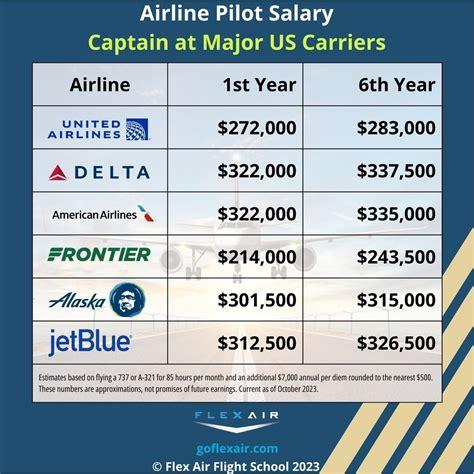
Recent labor agreements dramatically increased pilot compensation across major US carriers.
First-year airline pilots now commonly exceed six-figure earnings, reflecting industry-wide shortages and competitive hiring.
Meanwhile:
- Narrowbody captains frequently earn more than $200,000 annually.
- Widebody first officers regularly achieve similar compensation.
- Senior international captains operating flagship aircraft can surpass $500,000 per year.
Within that environment, strategic domicile selection amplifies already impressive salaries.
Instead of merely accepting available assignments, many pilots actively analyze base vacancies, projected upgrade timelines, local bidding dynamics, and tax implications before submitting transfer requests.
These calculations can reshape lifetime career earnings by millions of dollars.
Why Choosing the Right Base Is a Financial Strategy, Not Just a Geographic Choice
For airline pilots, selecting a domicile extends far beyond deciding where to report for work.
It influences aircraft assignments, schedule quality, overtime access, promotion timing, reserve exposure, commuting requirements, tax efficiency, and ultimately long-term wealth creation.
A seemingly simple transfer from one hub to another can unlock opportunities unavailable elsewhere within the same airline. Earlier captain upgrades, stronger relative seniority, and greater access to productive international flying combine to create income differences exceeding six figures.
That reality explains why experienced aviators spend enormous effort studying vacancy bids and monitoring seniority movement throughout the network. Every base develops its own competitive landscape, and understanding those dynamics can prove just as valuable as mastering the aircraft itself.
In today’s airline industry, where a pilot is based can be almost as important as how long they have flown, turning geography into one of the most influential variables in determining annual earnings and long-term career success.