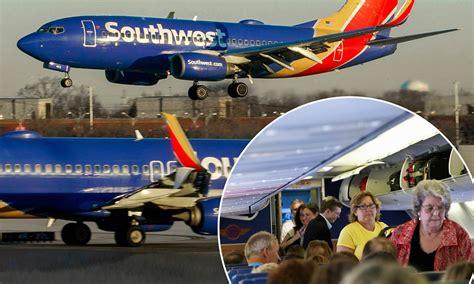
In a stunning and largely unannounced shift, Southwest Airlines has upended the travel experience for its loyal customer base with a series of deeply disruptive policy changes. Implemented on May 28, the airline’s so-called “big bang” transformation has blindsided many passengers who believed their roundtrip bookings were locked in under previously customer-friendly terms. What seemed like routine flexibility — a key part of the Southwest brand — has now turned into a potential minefield for unsuspecting flyers.
For years, Southwest has set itself apart from the pack with signature perks like two free checked bags, no change fees, and non-expiring travel credits. These features earned the airline fierce loyalty among travelers and positioned it as a budget-friendly, customer-centric alternative to legacy carriers. But in 2024, those assumptions were quietly dismantled, leaving even elite Rapid Rewards A-List members in shock.
Changing Outbound Flights Now Wrecks Return Leg Benefits
What many customers are now discovering — the hard way — is that any change to the outbound leg of a roundtrip ticket purchased before May 28 now triggers a cascade of downgrades to the return leg. This includes converting the return into a basic economy-style fare, which strips away privileges previously promised at the time of booking.
Even more troubling is that same-day flight changes, long considered a harmless convenience, are now subject to the same restrictions. For example, a traveler who modifies just the first leg of their trip on the same day will still face:
- Loss of one or more free checked bags on the return
- Ineligibility for same-day change on the return
- Imposition of an expiration date on travel credits for the return if it’s canceled
In other words, a minor, seemingly allowable adjustment can wipe out major portions of a ticket’s value.
No Official Warning, No Clear Communication
What’s fueling the backlash is not just the policy change itself — it’s the complete absence of communication from Southwest. The airline did not issue a formal announcement, press release, or even a website update to alert customers that tweaking an outbound flight would have a domino effect on their return.
This silence has led to confusion and anger at airport counters and call centers across the country. Passengers have been left wondering whether the changes were intentional or merely a glitch in Southwest’s infamously fragile IT systems. But one thing is clear: the airline is enforcing the new rule, and customers are paying the price.
Impact on Pre-May 28 Reservations and Legacy Perks
Perhaps the most galling consequence is that even tickets purchased months ago — under a different set of rules — are not grandfathered in. A roundtrip itinerary booked in early 2024 under the popular Wanna Get Away fare was expected to include:
- Non-expiring travel credits in case of cancellation
- Eligibility for same-day changes both ways
- Retention of elite member benefits
Now, however, making a same-day change to the first leg retroactively alters the rules for the second leg. This retroactive enforcement effectively invalidates the terms under which the ticket was sold. Travelers are not just losing perks — they’re losing confidence in the integrity of the airline’s fare structure.
Rapid Rewards A-List Members Suffer Most
These abrupt and secretive changes are especially punitive for Southwest’s Rapid Rewards A-List and A-List Preferred members. Many of these elite flyers have been told — explicitly — that they would retain full same-day change flexibility for reservations made before May 28.
Yet the new enforcement model strips them of this benefit if they touch their outbound leg. This leaves them stuck with:
- Basic economy restrictions on the return
- No eligibility for same-day changes on the second leg
- Reduced or lost baggage benefits, even when elite status should cover them
These downgrades strike at the heart of the value proposition for Southwest’s most loyal customers. Even more problematic, the airline appears to be applying these rules inconsistently across channels, with some customer service reps enforcing them strictly and others unaware of the change.
Travel Credits Now Expire — Even Retroactively
One of the most egregious changes buried in these new policies relates to travel credits. Historically, Southwest credits were beloved for their no-expiration promise. This was a key selling point for many customers who opted to bank unused value rather than request refunds.
Under the new rules, however, changing your outbound flight — even for a ticket purchased six months ago — turns the return into a basic economy fare. That classification now comes with an expiration: travel credits last only six months from the original ticket purchase date, not from when the credit is issued.
In practice, this means a passenger who booked in January 2024, and cancels the return leg in June 2025 after making a same-day change to the outbound, may find that the associated credit is already expired. They won’t get a refund, nor a usable future credit. The money is simply lost.
Curbside Check-In Fees Introduced Without Warning
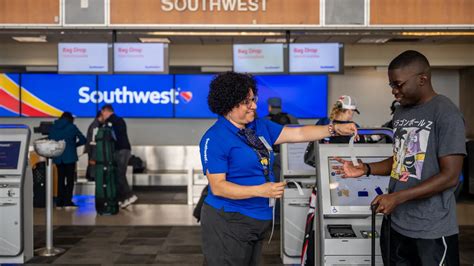
As if the main fare changes weren’t enough, Southwest has quietly introduced new fees for curbside check-in, a service that was previously free and widely used by families and travelers with luggage. What’s even more shocking is that these fees began after the airline fired its own skycaps — the staff who handled curbside luggage drop-offs.
Passengers arriving at airports have found themselves charged extra for what was once a complimentary convenience, now outsourced and monetized without advance notice.
The Hidden Cost of Operational Changes
It’s tempting to blame these developments on economic pressures or the airline’s need to align with industry norms. But the lack of transparency, the retroactive enforcement, and the impact on elite members suggest a broader cultural shift within Southwest — one that is eroding the very brand promise it built over decades.
Historically, Southwest was revered for its straight-shooting policies and egalitarian treatment of passengers. “No hidden fees” was more than a slogan; it was a business philosophy. Today, however, passengers are learning that fees and restrictions have become increasingly opaque, sudden, and punitive.
Customers Left to Navigate a New Reality Alone
With no formal documentation or FAQs published by the airline, customers are left relying on social media posts, travel blogs, and angry Reddit threads to piece together the implications of Southwest’s new model. This level of obscurity does a disservice to consumers, especially those trying to plan vacations, business trips, or family emergencies with peace of mind.
The changes impact:
- Families who count on free checked bags to avoid luggage fees
- Business travelers depending on same-day changes for flexibility
- Elite members who have accrued status expecting better treatment
Is This the End of the “Customer-First” Southwest?
What’s at stake isn’t just customer satisfaction — it’s brand identity. Southwest carved out its niche by being the airline that did things differently. It wasn’t just about the price tag — it was about predictability, friendliness, and fairness. As those values give way to profit-driven policies and secrecy, the airline risks alienating the very passengers who kept it afloat during lean years.
Unless Southwest takes urgent steps to clarify, revise, or roll back these changes — or at least communicate them transparently — it will continue to see its once-stellar reputation unravel in real-time.
At a time when trust in airlines is already thin, Southwest’s unannounced reversal of long-standing policies is not just a misstep — it’s a betrayal.