Shipwrecks are not just relics of tragedy — they are hauntingly beautiful, frozen moments in maritime history, whispering tales of adventure, resilience, and often, human error. Scattered across the globe, these rusting giants and wooden skeletons stand as physical testaments to the bravery of seafarers who dared challenge the unforgiving oceans. While some wrecks lie deep beneath the waves, others are accessible to curious explorers, offering unforgettable encounters with history, nature, and mystery.
Many of these wrecks are endangered, corroding slowly under the elements. If you are a shipwreck enthusiast, now is the time to embark on an expedition before these marvels are swallowed by time.
Pesuta Shipwreck: The Forgotten Freighter of Haida Gwaii
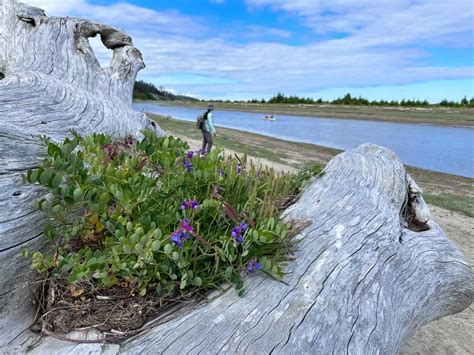
In the remote reaches of Haida Gwaii, British Columbia, lies the skeletal remains of the Pesuta, a wooden-hulled steam freighter that succumbed to the fury of the Pacific in 1928. Originally built to transport lumber, the Pesuta ran aground along the Tlell River shoreline, where it has remained abandoned ever since.
Reaching the Pesuta wreck is an adventure in itself. Explorers must navigate a rugged six-mile trail that snakes through the emerald canopy of Naikoon Provincial Park, one of British Columbia’s most spectacular coastal rainforests. The journey meanders alongside the scenic Tlell River, where driftwood and dense foliage frame your path.
After several hours on foot — or by mountain bike for the more adventurous — the trail opens up to the haunting sight of the Pesuta’s remains, partially sunken into the beach’s white sands. Its weathered timbers, jutting at odd angles, are a stark contrast to the serene British Columbia coastline beyond.
Visitors can wander the wreck, marveling at its size and the craftsmanship of an era when timber ships ruled the seas. Despite nearly a century exposed to the elements, the Pesuta stands resilient, beckoning travelers to uncover its story before nature reclaims it entirely.
USS Kittiwake: Grand Cayman’s Underwater Treasure
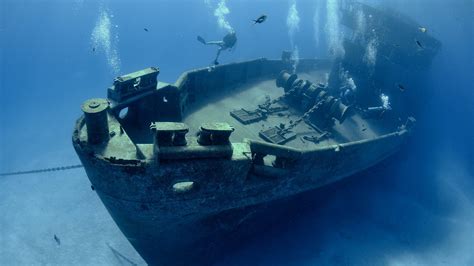
Beneath the shimmering turquoise waters off Seven Mile Beach, Grand Cayman, rests the USS Kittiwake, a ship with a storied military past transformed into a vibrant artificial reef.
Commissioned in 1945, the Kittiwake served the U.S. Navy for nearly five decades, conducting submarine rescue operations and supporting deep-sea missions. In 2011, rather than consign her to scrap, authorities deliberately sank the 251-foot vessel to the ocean floor, creating a diver’s paradise teeming with life.
Today, the wreck lies between 15 to 65 feet underwater, making it ideal for snorkelers and novice divers. As you descend into the crystal-clear Caribbean, the silhouette of the Kittiwake emerges, encrusted with coral and bustling with marine activity.
Expect encounters with sea turtles, darting reef fish, eagle rays, and elusive moray eels as you navigate the vessel’s five decks. Divers can swim through open passageways, explore former crew quarters, and peer into rusted control rooms — all under the watchful eyes of the Cayman Islands’ marine life.
The Kittiwake’s transformation from a rescue ship to an ecological haven epitomizes the beauty of nature reclaiming human relics, offering both history and biodiversity to those daring enough to explore.
The Blankenese Shipwrecks: Hamburg’s Forgotten Vessels
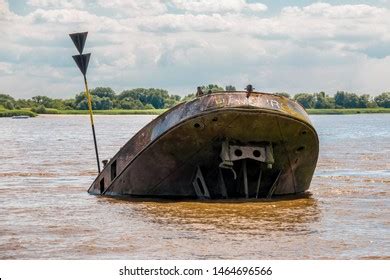
For shipwreck seekers in urban Europe, few sites are as accessible — or eerie — as the Blankenese shipwrecks along the Elbe River in Hamburg, Germany. Here, two forlorn vessels tell tales of fire, failure, and forgotten commerce.
The first is the Polstjernan, a Finnish four-masted gaff schooner that succumbed to flames in 1926 while en route to England. Though time and tide have claimed much of her wooden structure, remnants of the hull rest solemnly on the riverbank, weathered but reachable.
Nearby lies the Uwe, a barge that capsized in 1975 under mysterious circumstances. Its upturned hull juts from the sandy Elbe shoreline, partially submerged, with its bow and supporting timber poles still protruding skyward.
Both wrecks are visible year-round from the Falkensteiner Ufer, a sandy stretch west of Hamburg popular with walkers and photographers. Despite their proximity to civilization, these vessels evoke an almost surreal atmosphere — symbols of industry’s ephemeral nature.
Adventurers are advised to admire from the shore, as the Elbe’s waters can be treacherous, with strong currents and frigid temperatures even in summer.
Edro III: The Iconic Wreck of Cyprus’ Coral Bay
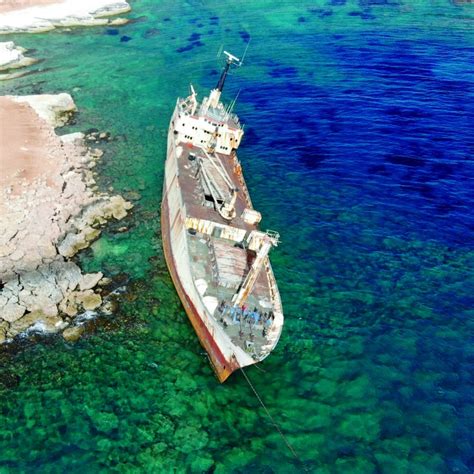
Off the rugged coast of Paphos, Cyprus, where limestone cliffs meet the Mediterranean’s sapphire expanse, the Edro III leans dramatically against the rocks — a permanent monument to maritime misfortune.
In 2011, the Sierra Leone-flagged cargo vessel was transporting goods to Rhodes, Greece, when violent weather forced it onto the rocky shallows near Coral Bay. Today, the 262-foot ship remains stranded, tilted at a 12-degree angle, battered but undeniably photogenic.
Unlike submerged wrecks, the Edro III is entirely visible above water, drawing photographers, hikers, and the curious year-round. Visitors can access the site via a scenic coastal path from Coral Bay, a 45-minute walk that offers sweeping views of sea caves, jagged cliffs, and the ship itself.
The proximity to shore allows the bold to swim a short distance to the wreck during calm seas. While officially off-limits to internal exploration, thrill-seekers have been known to venture aboard — though caution and proper gear are imperative.
Best visited at sunrise or sunset, when golden light bathes the corroded hull, the Edro III exemplifies both nature’s raw power and the unexpected beauty found in decay.
SS Sapona: The Bahamas’ Concrete Ghost Ship
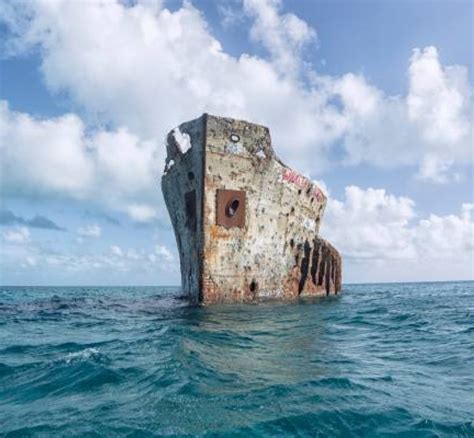
Concrete ships are rare, but none are as infamous as the SS Sapona, lying off the coast of Bimini Island, Bahamas. Born from wartime necessity, the Sapona was one of several concrete vessels commissioned by President Woodrow Wilson during World War I.
However, the war ended before the Sapona’s construction was completed, relegating her to commercial transport before falling into the hands of Bruce Bethell, a notorious rum-runner known as “Bimini’s Rum King.”
In 1926, a hurricane drove the Sapona onto shallow reefs south of Bimini, where her hollow, concrete skeleton has remained ever since. The U.S. Navy, along with Allied forces, later used the wreck for target practice during World War II, riddling its structure with craters and gaping holes.
Today, the Sapona’s remains rise from the shallow waters, accessible by boat and ideal for snorkeling and free diving. At roughly 20 feet deep, her jagged concrete frame harbors vibrant marine life, from colorful corals to schools of tropical fish.
Explorers should exercise caution, as rusted edges and sharp concrete remnants pepper the wreck, but the opportunity to float through a Prohibition-era rum runner’s hideout is an experience like no other.
Conclusion: Exploring Shipwrecks Before They Disappear
Shipwrecks offer rare glimpses into the past, blending history, tragedy, and ecology in stunning, often remote locations. From the rainforests of Haida Gwaii to the Caribbean depths of Grand Cayman, each wreck holds untold stories, waiting for those bold enough to seek them.
Time and tide continue to erode these monuments, making them fleeting opportunities for adventurers and history enthusiasts. Whether you’re drawn to sunken military vessels, concrete rum-running relics, or towering wooden skeletons on the beach, these five shipwrecks are destinations worth prioritizing before they fade entirely into legend.