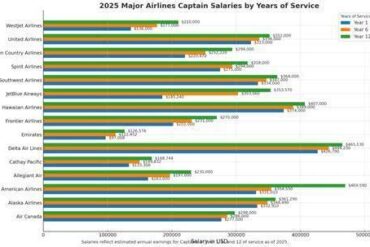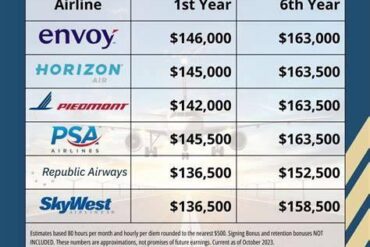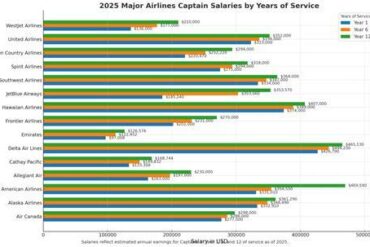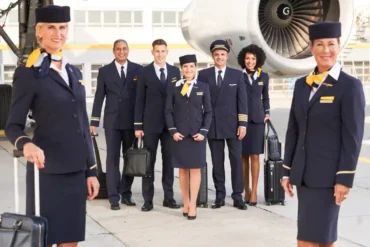
The left seat of a widebody airliner has always represented one of the most prestigious positions in commercial aviation. In 2026, it has also become one of the most financially rewarding. Thanks to record-breaking pilot contracts, persistent demand for experienced aviators, and fierce competition among major US airlines, captains flying long-haul routes between the United States and Europe are now earning compensation that would have seemed extraordinary just a decade ago. For many senior captains, annual earnings comfortably exceed $400,000, while those who maximize premium flying opportunities can approach or even surpass half a million dollars per year.
Unlike traditional salaried professions, airline pilots are compensated through sophisticated contractual pay systems based on flight credit hours, aircraft type, seniority, scheduling premiums, and numerous additional incentives. As a result, two captains flying the same aircraft may earn dramatically different annual incomes depending on experience and the trips they select.
The enormous volume of traffic across the North Atlantic further amplifies these earning opportunities. Every day, hundreds of flights connect major American hubs with London, Paris, Frankfurt, Amsterdam, Rome, Madrid, and dozens of other European destinations. These lengthy missions generate substantial credit hours while operating some of the industry’s most advanced aircraft, making transatlantic flying one of the most lucrative assignments available to airline pilots.
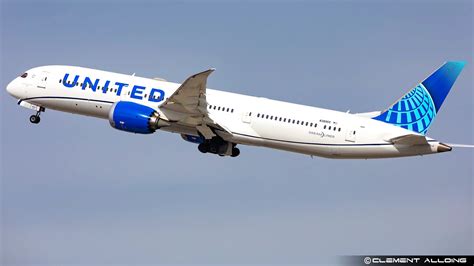
Understanding How Airline Pilot Pay Really Works
Many people assume airline pilots receive a fixed annual salary similar to executives or engineers. In reality, US airline compensation is built around hourly credit rates, with every pilot’s earnings determined by collectively bargained labor agreements.
Each aircraft category carries its own hourly rate, while additional years of seniority steadily increase that figure. A captain flying a Boeing 787 or Boeing 777 therefore earns considerably more per credit hour than someone operating a smaller narrowbody aircraft. Monthly guarantees—typically between 70 and 85 credit hours—ensure predictable income even during slower scheduling periods, but pilots frequently exceed those guarantees through additional flying.
Transatlantic operations are especially attractive because of their lengthy block times. A nonstop flight between New York and London generally requires approximately 6.5 to 8 hours in each direction, depending largely on prevailing jet stream conditions. When positioning flights, briefing time, and contractual credit formulas are included, a single European pairing often generates 14 to 18 credit hours, producing several thousand dollars in compensation from one assignment alone.
Because airline contracts reward larger aircraft, longer missions, and higher seniority simultaneously, international widebody captains occupy the highest-paying segment of commercial aviation.
Why Transatlantic Flying Produces Exceptional Earnings
The North Atlantic remains one of aviation’s busiest long-haul markets. Millions of passengers travel annually between North America and Europe for business, tourism, education, and government travel, creating year-round demand for premium international operations.
For airline pilots, these routes offer an unusually favorable combination of factors. Flights are long enough to accumulate significant credit hours but generally short enough to permit efficient aircraft utilization. Airlines can schedule multiple Europe rotations throughout a month while maintaining legal crew rest requirements, allowing captains to steadily build earnings without requiring ultra-long-haul missions exceeding fifteen hours.
The routes are also primarily operated by flagship aircraft such as the Boeing 787 Dreamliner, Boeing 777, Airbus A350, and Airbus A330, all of which occupy the highest pay categories within most airline contracts. Since hourly rates increase with aircraft size and complexity, captains assigned to these fleets receive the industry’s strongest compensation packages.
United Airlines Offers Some of the Highest Widebody Captain Pay
United Airlines operates the largest widebody fleet in North America, making it one of the dominant carriers across the Atlantic. Its network stretches from major hubs including Newark, Chicago O’Hare, Washington Dulles, San Francisco, Houston, Denver, Los Angeles, and beyond, serving destinations throughout Europe.
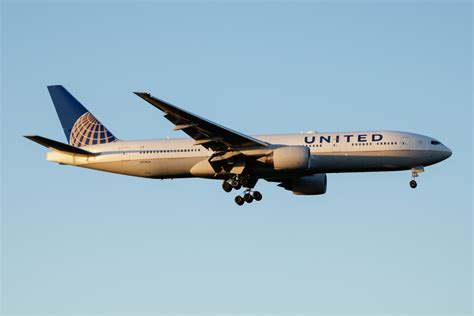
Supporting this network is a pilot group exceeding 17,000 aviators, with additional hiring continuing as retirements accelerate and fleet expansion progresses under the airline’s long-term growth strategy.
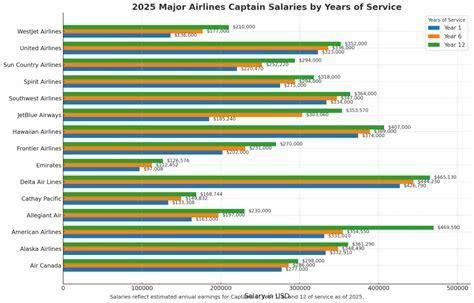
For captains assigned to widebody aircraft including the Boeing 787, Boeing 777, and Boeing 767-400, first-year captain pay reaches $443.85 per credit hour. Based on a typical seven-hour Atlantic crossing, one flight can generate approximately $3,100 before considering additional contractual premiums.
A complete round-trip Europe pairing therefore produces roughly $6,200 in base compensation for a newly upgraded captain.
Senior captains experience another meaningful increase. By Year 12, hourly compensation climbs to $483.74, meaning a similar round trip generates nearly $6,800 before any premium pay or additional incentives are applied.
Using the standard monthly guarantee of 75 credit hours, senior United widebody captains can earn roughly $435,000 annually from base pay alone. Pilots flying additional hours through voluntary scheduling frequently exceed those figures.
United’s midsize international aircraft—including the Boeing 767-300 and Boeing 757—operate under a separate pay scale reflecting their smaller size. Although compensation remains exceptionally competitive, hourly rates fall below those earned on flagship widebodies.
Delta Air Lines Matches United While Adding Industry-Leading Bonuses
Delta Air Lines has spent years positioning itself as one of the most attractive employers in global aviation, and its pilot compensation reflects that strategy.
Its hourly pay rates for international widebody captains closely mirror United’s. First-year captains operating the Airbus A350, Airbus A330, Boeing 767-400, and eventually the Boeing 787 Dreamliner earn $443.85 per hour, while Year 12 captains receive $483.74.
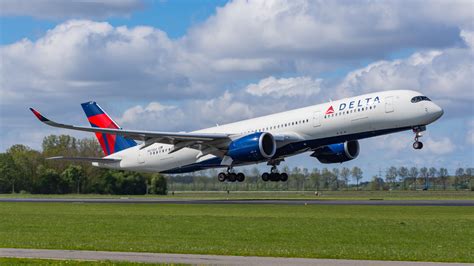
Where Delta truly distinguishes itself is through profit sharing.
Following another exceptionally profitable year, Delta distributed approximately 8.9% of eligible earnings to employees through its industry-renowned profit-sharing program. For experienced widebody captains already earning well above $400,000 annually, those bonuses can exceed $50,000 by themselves.
This additional compensation effectively creates a second income stream beyond contractual hourly rates, allowing total annual earnings to substantially outperform published pay tables.
Delta’s transatlantic network continues expanding from hubs such as New York JFK, Boston, Atlanta, Detroit, Minneapolis, and Salt Lake City. While many travelers associate Delta’s European operations with the Airbus A350, much of its Atlantic flying still relies on Airbus A330s and Boeing 767s until newer Boeing 787 aircraft gradually replace aging fleets later in the decade.
American Airlines Is Closing the Gap
Although American Airlines currently trails United and Delta slightly under its existing published pay scale, contractual wage increases are steadily narrowing the difference.
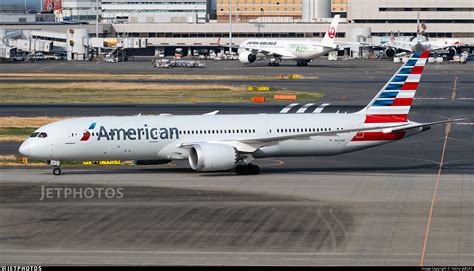
Widebody captains operating the Boeing 777 and Boeing 787 currently earn $410.37 per hour during their first year as captain, increasing to $447.24 after reaching Year 12.
However, American’s contract includes multiple scheduled annual raises extending through 2027. Once those increases fully mature, captain hourly rates are projected to slightly surpass the present top-of-scale compensation currently offered by United and Delta.
American has simultaneously modernized its Atlantic fleet by introducing the Airbus A321XLR, allowing long-haul narrowbody service from important gateways including Philadelphia, New York JFK, Charlotte, and Dallas/Fort Worth. Although A321XLR captains operate under narrowbody pay scales rather than widebody rates, these aircraft significantly expand the airline’s European network while creating additional upgrade opportunities for pilots.
How Other Airlines Compare
Outside the traditional “Big Three,” compensation remains strong but generally falls below the industry’s highest levels.
JetBlue’s growing transatlantic operation uses Airbus A321neo, A321LR, and eventually A321XLR aircraft to connect New York and Boston with major European destinations. First-year captains earn $326.09 per hour, increasing to $359.40 after twelve years.
Cargo aviation tells another interesting story. For decades, many pilots viewed FedEx Express and UPS Airlines as the pinnacle of airline careers because of outstanding compensation and lifestyle advantages. While cargo captains continue earning excellent incomes, recent passenger airline contracts have significantly narrowed—and in many cases eliminated—the historical pay advantage.
FedEx captain hourly rates range from approximately $276 during the first year to roughly $335 by Year 12. UPS captains progress from $259.77 to just over $401 per hour, allowing experienced cargo captains to continue earning more than $400,000 annually despite increased competition from passenger airlines.
The Hidden Income That Doesn’t Appear in Base Pay
Published hourly pay rates represent only one component of a captain’s total compensation package. Several additional contractual provisions substantially increase take-home earnings throughout the year.
One important element is per diem, a tax-advantaged allowance paid for every hour spent away from home base. Rather than functioning as traditional salary, this payment helps cover meals and incidental expenses during overnight trips. Delta currently pays approximately $3.30 per hour internationally, compared with $2.85 on domestic assignments.
Although these amounts appear modest individually, they frequently accumulate into several thousand additional dollars annually.
Even more valuable is premium pay, sometimes called incentive flying. Airlines frequently offer enhanced compensation—often 150% of standard hourly rates—when captains voluntarily accept additional trips, cover staffing shortages, fly during contractual days off, or assist with irregular operations.
For a senior widebody captain earning $483.74 per hour, premium flying increases hourly compensation to more than $725 per hour. A standard Europe pairing operating under premium pay can therefore exceed $10,000, illustrating why experienced captains can dramatically outperform their theoretical annual base salaries.
Why Seniority Remains Everything in Airline Careers
One of the defining characteristics of airline employment is the overwhelming importance of seniority.
Every pilot begins near the bottom of the list regardless of previous experience elsewhere. As years pass, seniority governs virtually every aspect of professional life, including aircraft assignments, vacation scheduling, monthly trip selection, domicile choices, upgrade eligibility, and ultimately compensation.
Captains who have accumulated decades of seniority not only receive the highest hourly pay but also enjoy first choice of premium international schedules, allowing them to maximize both quality of life and annual earnings simultaneously.
This system explains why experienced international captains consistently occupy the highest income brackets in commercial aviation while junior pilots spend years gradually climbing the ladder.
How US Captains Compare With European Airlines
The salary gap between American and European airline pilots remains substantial.
Major UK carriers such as British Airways and Virgin Atlantic compensate long-haul captains very competitively by European standards, with annual earnings generally ranging from approximately $190,000 to $300,000, depending on seniority and fleet assignment.
American widebody captains, however, routinely exceed those figures before accounting for premium pay, profit sharing, and overtime opportunities. Even after considering higher US income tax obligations, American pilots generally retain a meaningful compensation advantage over many European counterparts.
The difference reflects several structural factors, including stronger pilot unions at major US airlines, exceptionally profitable domestic aviation markets, and intense competition among carriers to recruit and retain experienced cockpit crews during an extended pilot shortage.
Why Transatlantic Captain Positions Remain Among Aviation’s Most Coveted Jobs
The combination of cutting-edge aircraft, global destinations, generous labor contracts, and outstanding compensation has made transatlantic captain positions among the most desirable careers anywhere in commercial aviation.
Beyond financial rewards, these pilots command some of the world’s most technologically advanced aircraft while operating within one of aviation’s busiest and most strategically important international markets. Every Atlantic crossing demands sophisticated flight planning, complex weather analysis, oceanic navigation procedures, international regulatory compliance, and close coordination with multiple air traffic control systems.
The responsibility is immense, but so are the rewards.
As airlines continue expanding international fleets while replacing retiring pilots, demand for experienced widebody captains is expected to remain exceptionally strong throughout the remainder of the decade. With base salaries already approaching half a million dollars for many senior captains—and additional earnings available through profit sharing, premium flying, per diem, and overtime—the financial outlook for US airline captains on transatlantic routes has arguably never been stronger.