The aviation industry has long followed a familiar compensation hierarchy. For aspiring pilots, the accepted career path was straightforward: build flight hours, move through regional airlines, secure a position at a major carrier, and eventually upgrade to captain on a widebody aircraft. That progression almost always guaranteed the highest earnings available in professional flying. Business aviation, despite its prestige, traditionally lagged behind commercial airlines in both salary and long-term financial security.
That equation is changing in 2026. Corporate aviation is experiencing one of the strongest compensation surges in its history, driven by sustained demand for private flying, a limited pool of qualified pilots, and fierce competition with commercial airlines. While the largest passenger carriers still offer the industry’s highest earnings for senior captains, executive aviation has quietly transformed from an alternative career path into one capable of delivering exceptional income, premium working environments, and attractive long-term opportunities.
For many experienced aviators, the decision is no longer based solely on maximizing salary. Instead, pilots increasingly weigh earnings alongside schedule flexibility, operational variety, direct client relationships, and quality of life. Those changing priorities have helped reshape the business aviation employment market, pushing corporate operators to invest heavily in retaining experienced flight crews.
Corporate Jet Captain Salaries Continue Climbing In 2026
Business aviation salaries now rival levels that would have seemed unrealistic only a few years ago. According to industry compensation surveys, the average corporate pilot in the United States now earns approximately $130,000 annually, while experienced captains operating midsize executive aircraft frequently earn between $140,000 and $190,000.
Perhaps even more impressive is the compensation available at the top end of the market. Captains flying ultra-long-range business aircraft—including flagship corporate jets capable of intercontinental missions—are regularly offered base salaries ranging from $250,000 to $350,000. Retention bonuses, signing incentives, and quality-of-life payments can increase overall compensation even further.
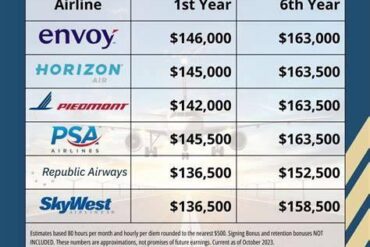
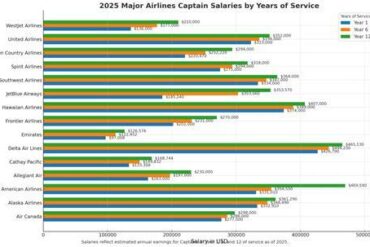
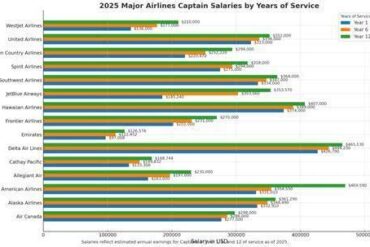
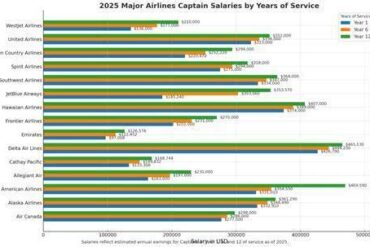
Although senior captains at the largest legacy airlines may still exceed $400,000 annually, the financial gap between airline flying and executive aviation has narrowed significantly. Corporate flight departments that once struggled to compete now routinely present compensation packages attractive enough to persuade experienced airline pilots to change careers—or remain in business aviation instead of moving to scheduled carriers.
Aircraft Type Has Become One Of The Biggest Salary Drivers
Unlike commercial airlines, where pay largely follows seniority and collective bargaining agreements, compensation in business aviation depends heavily on the aircraft being flown.
Entry-level pilots operating very light jets, such as the Cirrus Vision Jet, generally begin around $90,000, with opportunities to exceed six figures depending on employer requirements and operational complexity.
Midsize aircraft, including popular executive platforms like the Cessna Citation family, represent the core of today’s corporate aviation market. Captains responsible for these aircraft frequently earn salaries approaching $190,000, particularly when flying demanding charter schedules or supporting corporate flight departments with international operations.
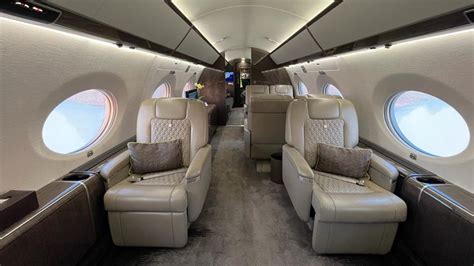
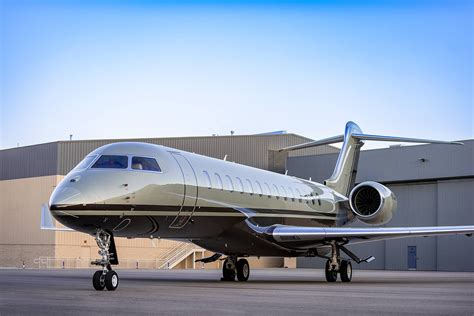
Compensation rises dramatically for pilots qualified on premium long-range aircraft. Jets such as the Gulfstream G650, Bombardier Global 7500, and the newest generation of ultra-long-range executive aircraft require highly specialized training, thousands of flight hours, and extensive operational experience. Their captains command some of the highest salaries anywhere outside the major airline industry.
The Pandemic Permanently Changed Executive Aviation
Private aviation experienced extraordinary growth during the COVID-19 pandemic. As commercial airline schedules were disrupted by travel restrictions, cancellations, and operational uncertainty, many affluent travelers and corporations increasingly turned to private aircraft.
What initially appeared to be a temporary surge evolved into a lasting structural shift.
Many companies discovered the efficiency of business aviation for executive travel, while wealthy individuals who experienced private flying for the first time continued using it after commercial travel returned to normal. Fractional ownership programs, charter providers, and corporate flight departments all benefited from this sustained demand.
The result has been continued expansion across both Part 91 private operations and Part 135 charter companies. More aircraft flying more missions inevitably required more experienced pilots—a challenge made considerably more difficult by simultaneous hiring booms at major passenger airlines.

Why Pilot Shortages Have Become A Business Aviation Challenge
Commercial airlines certainly face pilot shortages, but business aviation experiences those shortages differently.
When an airline loses a pilot, reserve crews, schedule adjustments, or aircraft substitutions often help maintain operations. Corporate aviation rarely enjoys that flexibility.
A corporate jet frequently serves a single owner, executive team, or charter client. If an experienced captain leaves unexpectedly, the aircraft may become unavailable until another qualified pilot can be recruited and trained. For owners who depend upon business aircraft to conduct global operations, grounded airplanes represent lost productivity and substantial financial costs.
Because experienced captains cannot simply be created overnight, employers have responded with aggressive salary increases, generous signing bonuses, enhanced retirement contributions, and schedule improvements.
These investments are significantly less expensive than allowing multimillion-dollar aircraft to remain idle.
Corporate Pilots Wear More Than One Hat
Flying the airplane represents only one aspect of a corporate pilot’s responsibilities.
Executive flight crews often coordinate numerous operational details before passengers even arrive at the airport. They may oversee catering arrangements, coordinate customs procedures, communicate with fixed-base operators, organize ground transportation, monitor aircraft maintenance, supervise fueling, and ensure every element of the trip meets exceptionally high service standards.
Commercial airline crews generally focus exclusively on operating scheduled flights within standardized procedures.
Corporate pilots, by contrast, frequently become integral members of a small aviation team responsible for delivering seamless executive transportation. That broader responsibility partly explains why employers increasingly compensate experienced pilots at substantially higher levels than in previous decades.
Understanding Part 91, Part 135, And Part 121 Operations
Business aviation offers multiple career paths, each governed by different Federal Aviation Administration operating rules.
Part 91 operations involve privately owned aircraft flown exclusively for their owners. These flight departments often support corporations, entrepreneurs, or high-net-worth individuals and emphasize personalized service, operational flexibility, and long-term crew stability.
Part 135 governs charter operations where clients pay to use aircraft on demand. Companies operating under these regulations often provide diverse flying experiences while offering highly competitive salaries and benefits.
Commercial airlines operate under Part 121, where standardized procedures, collective bargaining agreements, and seniority systems dominate pilot careers.
Each environment offers distinct advantages, but the growing compensation available under Parts 91 and 135 has made executive aviation increasingly attractive for experienced professionals.
Retirement Rules Give Corporate Aviation A Valuable Advantage
One of the most significant competitive advantages enjoyed by corporate aviation involves pilot retirement.
Commercial airline pilots operating under Part 121 regulations generally face mandatory retirement at age 65.
Private corporate operations governed under Part 91 do not impose the same age restriction.
Consequently, highly experienced airline captains reaching mandatory retirement often transition directly into executive aviation. Their decades of heavy jet experience, leadership abilities, and advanced qualifications make them exceptionally valuable additions to corporate flight departments.
For these pilots, corporate flying provides an opportunity to continue earning substantial income while extending their aviation careers well beyond airline retirement.
The Most Exclusive Corporate Cockpit Jobs
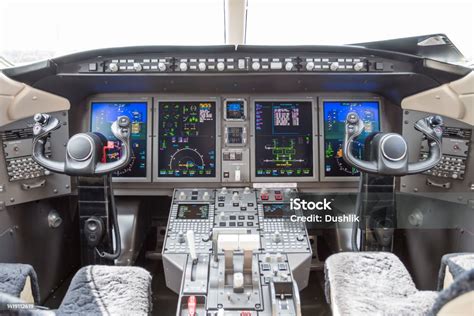
At the pinnacle of business aviation sits an exceptionally exclusive group of pilots qualified to operate the world’s largest executive aircraft.
Ultra-long-range jets such as the Gulfstream G700, Bombardier Global 7500, and Dassault Falcon 10X routinely transport corporate executives, heads of state, celebrities, and ultra-high-net-worth individuals across continents without stopping.
These aircraft cost tens of millions of dollars, and owners spare little expense when hiring flight crews.
Captains operating these flagship aircraft commonly receive salaries between $250,000 and $350,000, alongside premium healthcare, retirement plans, annual bonuses, and extensive training support.
Competition for these positions remains intense, not because applicants are plentiful, but because so few pilots possess the required experience.
Type Ratings Represent A Major Employer Investment
Operating sophisticated business jets requires aircraft-specific certification known as a type rating.
Training for premium aircraft can cost anywhere from $60,000 to $100,000, covering simulator instruction, systems training, emergency procedures, and supervised flight operations.
Most employers pay these costs themselves.
In exchange, pilots typically sign training agreements requiring them to remain with the company for one or two years. Should they resign earlier, a prorated portion of the training expense may need to be repaid.
While these agreements protect employer investments, they also demonstrate the extraordinary value companies place on recruiting and retaining experienced flight crews.
Networking Opens More Doors Than Public Job Boards
Unlike airline recruitment, many premium corporate aviation opportunities never appear on mainstream employment websites.
Elite corporate flight departments frequently rely on specialized aviation recruiters, industry recommendations, and professional networking to identify candidates.
Aviation conferences, simulator training centers, type-rating instructors, former military colleagues, and retired airline captains all play important roles within this tightly connected professional community.
As a result, pilots who establish strong professional reputations often gain access to opportunities unavailable through traditional recruitment channels.
Insurance Requirements Increase Pilot Value
One frequently overlooked factor behind rising corporate pilot salaries is aviation insurance.
Business jet insurers impose strict experience requirements before agreeing to cover expensive executive aircraft.
Policies often require captains to possess thousands of total flight hours, significant time in aircraft of similar complexity, hundreds of hours in the exact aircraft model, and regular simulator-based recurrent training.
Failure to meet those requirements can dramatically increase insurance premiums—or prevent coverage altogether.
Because only a relatively small number of pilots satisfy these demanding standards, experienced captains have become exceptionally valuable assets. Hiring and retaining them protects not only operational capability but also the financial viability of operating multimillion-dollar aircraft.
Lifestyle Differences Continue To Attract Experienced Aviators
Compensation alone does not explain the growing appeal of corporate aviation.
Many pilots appreciate the operational diversity unavailable within scheduled airline flying. Business aviation frequently involves international destinations, remote airports, unique customer requirements, and missions that vary considerably from week to week.
Corporate pilots often develop long-term relationships with passengers, becoming trusted members of executive travel teams rather than anonymous flight crews.
While on-call schedules can be unpredictable, many pilots consider the greater operational variety, smaller teams, and closer client interaction worthwhile tradeoffs.
For professionals seeking careers beyond hub-to-hub airline operations, executive aviation increasingly offers an appealing combination of challenge, prestige, and financial reward.
Business Aviation Has Become A Genuine Career Destination
Corporate aviation once served primarily as a stepping stone toward major airlines or as a retirement option after airline careers ended.
That perception has changed dramatically.
Today’s executive aviation industry offers salaries approaching commercial airline levels, premium aircraft, continued global demand, significant signing bonuses, employer-funded training, and opportunities unavailable in many traditional airline careers.
Widebody captains at major airlines still occupy the highest end of the industry’s salary spectrum, but business aviation has firmly established itself as a premier career path rather than an alternative choice.
As demand for experienced pilots continues to outpace supply, corporate flight departments are expected to remain aggressive in recruiting and retaining qualified captains. For ambitious aviators evaluating their future, the executive flight deck has never offered a stronger combination of earning potential, career longevity, operational variety, and professional prestige.