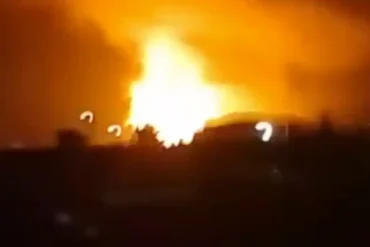
India and Pakistan, two nuclear-armed neighbors with a long history of conflict, are once again on the brink of a broader confrontation. In the early hours of Wednesday, India launched a series of precision airstrikes deep inside Pakistani territory, targeting what it described as terrorist infrastructure. Pakistan swiftly responded, claiming to have shot down five Indian fighter jets in a dramatic escalation that has heightened fears of a full-scale war.
The strikes, part of what India has named Operation Sindoor, mark the deepest penetration of Pakistani airspace by Indian military aircraft since the Indo-Pakistan war of 1971, raising alarms across the region and beyond.
The Trigger: Massacre in Kashmir
The immediate spark for this sharp escalation came two weeks earlier when militants attacked a group of tourists in Indian-administered Kashmir, killing 26 people, including women and children. India quickly blamed the attack on Pakistan-based militant groups, including Lashkar-e-Tayyiba (LeT) and Jaish-e-Mohammed (JeM), groups that India claims are harbored by Pakistan. Islamabad has consistently denied any involvement in such attacks, insisting that it only provides diplomatic and moral support to the Kashmiri cause.
On Wednesday, Indian jets struck nine sites across Pakistan’s densely populated Punjab province and Pakistan-administered Kashmir, a move New Delhi described as a “focused, measured, and non-escalatory” response to the massacre. According to Indian defense officials, these strikes targeted training camps and militant launch pads, avoiding Pakistani military installations to limit the risk of broader conflict.
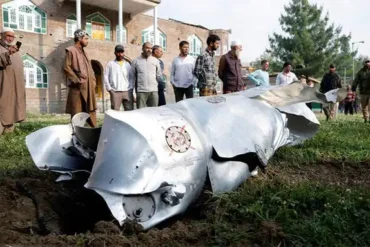
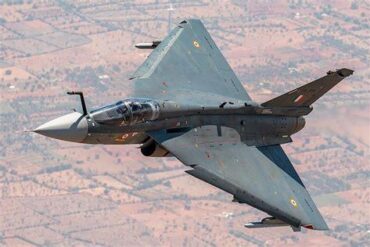
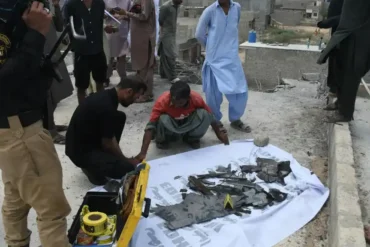
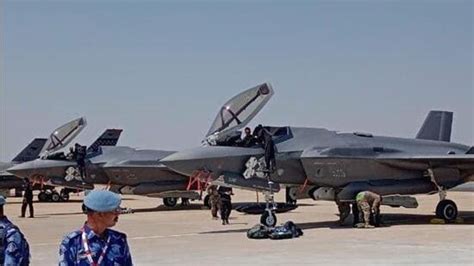
Pakistan’s response, however, has been far from muted. Prime Minister Shehbaz Sharif called the strikes “an act of war” and vowed to retaliate. Pakistani military officials claimed to have shot down three Rafale jets, a MiG-29, and an SU-30, along with an unmanned aerial vehicle (UAV). Images released by local media showed aircraft debris scattered near a school building in Indian-administered Kashmir, though Indian officials have not confirmed the loss of any aircraft.

A Dangerous Game of Tit-for-Tat
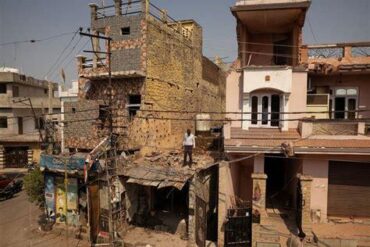
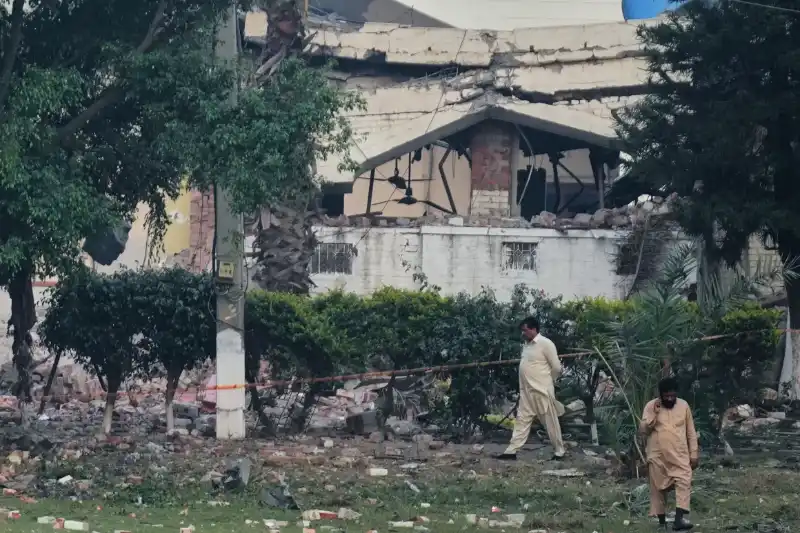
Cross-border shelling erupted shortly after the airstrikes, with intense artillery exchanges reported in several sectors along the Line of Control (LoC), the de facto border that divides Kashmir. Civilians on both sides have been caught in the crossfire, with several deaths and dozens of injuries reported. In the Pakistani-administered city of Muzaffarabad, residents described chaotic scenes as shells rained down on residential areas.
“A shell landed at a house close to the mosque in which two people were injured,” said Shakeel Butt, a resident of Muzaffarabad. “Shells also hit other houses in our area and we fled to a safer place.”
The Regional and Global Fallout
The rapid escalation has triggered international concern. The United Nations, the United States, and other global powers have called for restraint, fearing a potential nuclear confrontation between the two countries. The US Department of State said it was “closely monitoring” the situation and urged both sides to avoid further military action.
India, for its part, has attempted to project a message of restraint despite the deep strikes. In a statement, its defense ministry emphasized that “no Pakistani military facilities were targeted” and that the operation was designed to be “measured and precise” to avoid provoking a full-scale conflict.
A Long History of Conflict
The Kashmir region has been the primary flashpoint between India and Pakistan since the two countries gained independence from Britain in 1947. Three full-scale wars and numerous skirmishes have erupted over the region, making it one of the most militarized areas in the world. The latest flare-up comes just a few years after India’s controversial decision to revoke Article 370, stripping Jammu and Kashmir of its semi-autonomous status and bringing it under direct rule from New Delhi.
Analysts now warn that this latest escalation could lead to a prolonged period of instability in the region, with both sides potentially locked in a dangerous cycle of retaliation.
“Retaliation to India’s actions will likely now be inevitable,” said Fahd Humayun, an assistant professor of political science at Tufts University. “The challenge will be managing the next level of escalation. This is where crisis diplomacy will matter.”
Looking Ahead
As both sides dig in, the potential for a broader conflict remains high. Civilian casualties are likely to rise if the shelling continues, and the economic costs for both nations could be severe. With nuclear arsenals in play, the stakes are higher than ever.
Diplomatic channels remain the only viable path to de-escalation, but with nationalist sentiments running high in both countries, finding common ground will be a challenging task for the leadership in Islamabad and New Delhi.