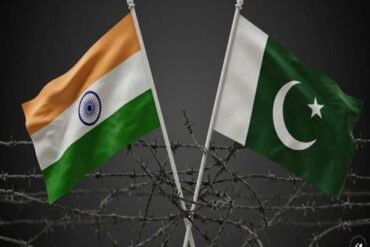
The ongoing conflict between India and Pakistan has taken an alarming turn, with both nations accusing each other of launching drone strikes against military targets. As tensions between these two nuclear-armed neighbors escalate, the claims and counterclaims are becoming increasingly complex. Both sides have reportedly engaged in drone and missile strikes, which have heightened fears of a broader conflict. This article explores the details of the current military exchanges and the diplomatic and international responses surrounding these attacks.
Escalating Drone Strikes Between India and Pakistan
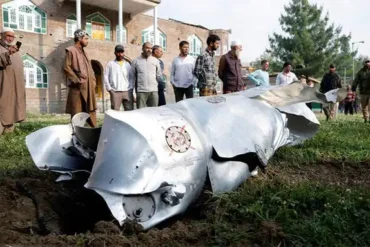
The recent escalation between India and Pakistan has been marked by a series of high-profile drone and missile strikes. The Indian defense ministry reported that Pakistani drones, alongside missiles, were targeted at military installations in northern and western India. However, according to Indian officials, these threats were neutralized by their air defense systems. The Indian military claimed to have successfully countered the drone assault, preventing any significant damage to their strategic locations.
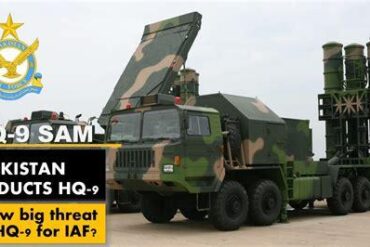
In retaliation, India reportedly struck air defense radars and systems in Pakistan, a move that has led to heightened tensions. Notably, Indian officials have stated that a specific air defense system in Lahore has been neutralized, although this claim has not been verified by Pakistani authorities. The response highlights the growing animosity between the two countries, each accusing the other of violating airspace and endangering civilian lives.
The Pakistani Response: Shooting Down Drones
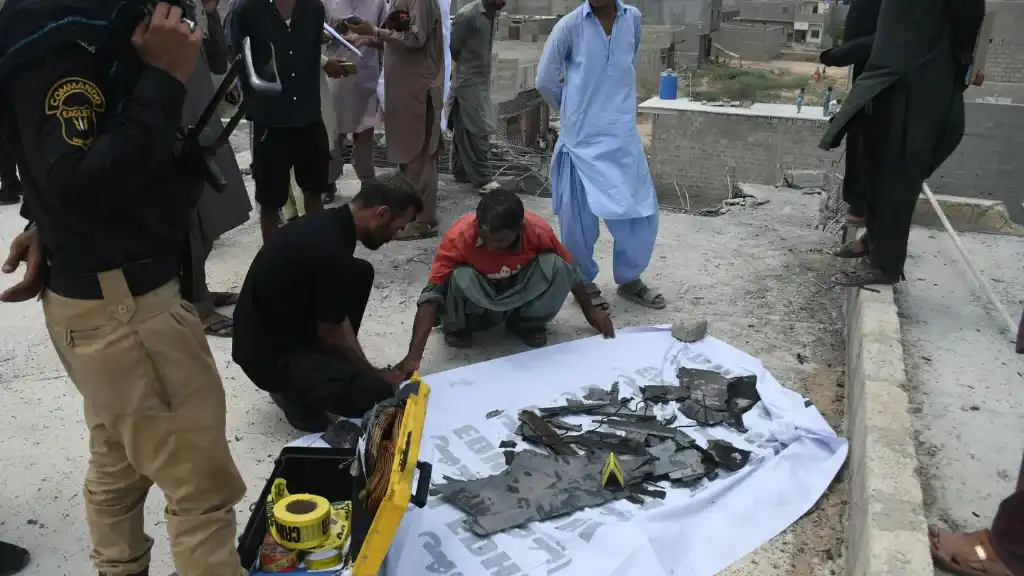
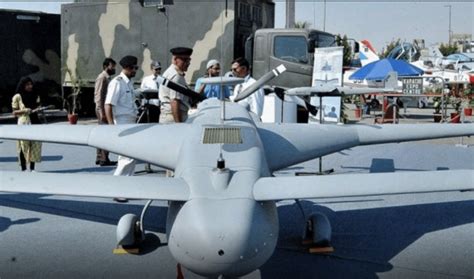
On the other side of the border, Pakistan’s military issued a statement claiming to have shot down a total of 25 drones launched by India since the initial escalation on Wednesday night. According to the Pakistani military, these drones were primarily of Israeli manufacture, which adds an additional layer of complexity to the situation, considering the geopolitical significance of Israeli-made military technology.
Pakistan condemned these drone strikes, labeling them as a “cowardly” attempt by India to destabilize the region. Pakistani officials have suggested that the frequency of drone attacks is indicative of India’s mounting anxiety and desperation in the face of its own military challenges. The ongoing back-and-forth in the skies over Kashmir and surrounding regions has drawn significant attention from international observers, who fear that the situation could quickly spiral out of control.
International Reaction to the India-Pakistan Tensions
The United States, a long-time ally of both nations, has expressed grave concern over the unfolding situation. The U.S. consulate in Lahore issued a shelter-in-place advisory to its staff following reports of “drone explosions” and “airspace incursions” in the vicinity. The consulate also indicated that authorities in Lahore had begun evacuating areas near the city’s main airport due to the rising threat of aerial bombardment. This move underscores the international community’s growing concern over the potential for a catastrophic military clash between two nuclear powers.
The United States has urged its citizens to either evacuate or shelter-in-place if they find themselves in areas of active conflict, emphasizing the heightened risks in the region. This advisory follows a series of clashes that have already claimed numerous civilian lives, further inflaming public sentiment in both India and Pakistan.
Civilian Casualties and the Human Cost of the Conflict
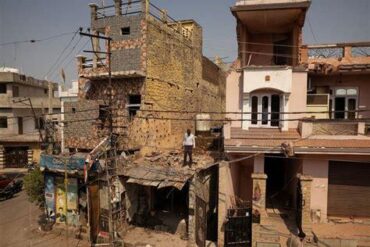
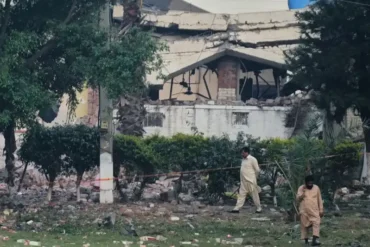
The human toll of the recent border clashes is staggering. According to India’s defense ministry, at least 16 civilians have been killed due to cross-border shelling by Pakistan, including three women and five children. On the other hand, Pakistani officials report that Indian strikes have caused the deaths of at least 31 civilians and left dozens more injured. These casualties highlight the indiscriminate nature of the ongoing conflict, where military strikes often result in significant collateral damage, especially in densely populated border regions.
In addition to the human cost, tensions have disrupted daily life in both countries. In India, for example, the escalating violence has led to the relocation of an Indian Premier League (IPL) cricket match from Dharmshala, a popular town in the mountains of Himachal Pradesh, to the more secure city of Ahmedabad. The Punjab Kings and Mumbai Indians cricket teams were set to play a match, but the security concerns forced the organizers to make this abrupt change.
India’s Airstrikes: A Tactical Offensive
India’s military response to the border skirmishes has included a series of airstrikes on what it claims to be “terrorist infrastructure” within Pakistan. These missile strikes were conducted under the operation code-named “Operation Sindoor,” and were carried out in the early hours of Wednesday. The strikes, which targeted nine separate locations, were reportedly aimed at disrupting Pakistan-based militants who India alleges are planning attacks against Indian territories.
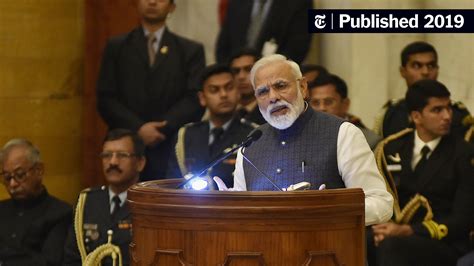
India’s defense officials were keen to emphasize that the strikes were “focused, measured, and non-escalatory” in nature, highlighting their intention not to target any Pakistani military infrastructure. However, the Pakistani government condemned these airstrikes as a “blatant act of war” that violated Pakistan’s sovereignty. Islamabad denied any involvement in the attack that had earlier killed 26 civilians in Indian-administered Kashmir and accused India of using fabricated evidence as a pretext for its military action.
In response to the airstrikes, Pakistan claimed to have downed five Indian fighter jets, although India has not confirmed this assertion. The accusations and counteraccusations reflect the deepening mistrust between the two countries and underscore the potential for further escalation.
The Future of India-Pakistan Relations
The India-Pakistan conflict over the Kashmir region remains one of the most volatile and longstanding territorial disputes in modern geopolitics. With both countries continuing to accuse each other of launching drone strikes and violating airspace, the risk of a full-blown military confrontation remains high. The ongoing military exchanges are likely to further entrench the positions of both sides, making any resolution even more elusive.
As both nations stand on the brink of what could be a larger conflict, the role of international diplomacy will be critical. The United Nations, the United States, and other international actors will likely continue to pressure both India and Pakistan to de-escalate tensions and return to the negotiating table.
The possibility of further drone strikes and military escalation looms large, and the coming days and weeks will be crucial in determining whether the situation stabilizes or spirals out of control. While the world watches, the people of India and Pakistan continue to bear the brunt of this deeply entrenched conflict, where the human cost often far outweighs the military gains.