The allure of the skies, the responsibility of command, and the prestige of wearing the wings of a major international airline like Delta Air Lines represent a career pinnacle for many aspiring aviators. Beyond the romance of flight, a crucial aspect for anyone considering this demanding profession is the remuneration. Understanding Delta pilot salaries involves looking far beyond a simple annual figure; it requires a deep dive into a complex structure of hourly rates, guarantees, benefits, and profit-sharing that collectively create a highly competitive compensation package. This article aims to provide an exhaustive exploration of pilot salaries at Delta Air Lines in the United States, dissecting the various components that contribute to a pilot’s earnings, the factors influencing pay scales, and the overall financial and professional rewards associated with flying for one of the world’s leading carriers.
Delta Air Lines, headquartered in Atlanta, Georgia, has long been recognized as a benchmark in the aviation industry, not only for its operational excellence and extensive global network but also for its commitment to its employees. For pilots, this translates into some of the most attractive pay rates and comprehensive benefits packages available. While navigating the path to the flight deck of a Delta aircraft is rigorous and highly competitive, the financial rewards and career stability are significant motivators. The journey from a newly winged First Officer to a seasoned Captain on a wide-body jet involves years of dedication, continuous learning, and an unwavering commitment to safety and professionalism, all of which are reflected in the progressive salary structure.
According to recent data, the average yearly pay for a Delta Air Lines Pilot in the United States is reported to be approximately $216,774. This figure is notably 137% above the national average for general pilot positions, underscoring the premium compensation offered by major airlines like Delta. However, this average encompasses a wide spectrum of earnings, with reported salaries ranging from a low of around $53,000 to a high soaring towards $489,000 per year. Such a broad range highlights the multifaceted nature of pilot pay, which is influenced by a confluence of factors including the type of aircraft flown, the pilot’s rank, years of service with the airline, and the number of hours flown. It’s crucial to understand that these figures, often derived from employee-submitted data and job advertisements, provide a snapshot but the true earning potential can be further enhanced by other elements of the total compensation package.
Key Factors Influencing Delta Pilot Salaries
The compensation for a Delta pilot is not a monolithic figure but rather a dynamic sum influenced by several critical variables. Each element plays a pivotal role in determining a pilot’s gross annual income, reflecting the complexity and responsibility associated with their specific role within the airline.
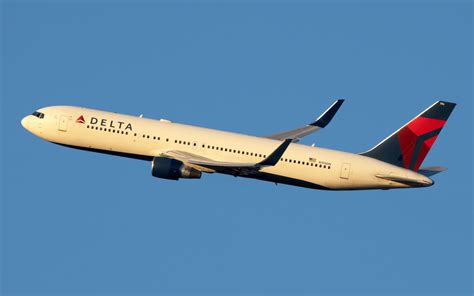
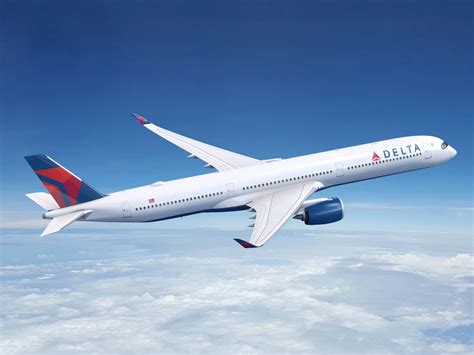
One of the most significant determinants of a pilot’s pay rate is the type of aircraft they are qualified to fly. Generally, pilots operating larger, more complex, long-haul aircraft, such as the Airbus A350 or Boeing 777/767 (wide-body jets), command higher hourly rates than those flying smaller, short-haul aircraft like the Airbus A220 or Boeing 737 (narrow-body jets). This differentiation is due to the increased complexity, passenger capacity, and international scope often associated with wide-body operations. Delta maintains a diverse fleet, and pilots bid for positions on specific aircraft based on their seniority and qualifications, with upward mobility to larger equipment being a common career progression goal.
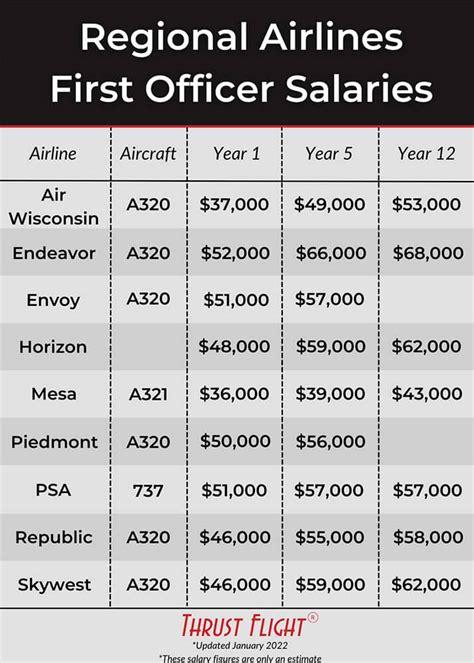
A pilot’s rank—specifically whether they are a Captain or a First Officer (also known as a co-pilot)—is another fundamental factor. Captains bear the ultimate responsibility for the safety and operation of the flight and, consequently, earn substantially more than First Officers. The journey to becoming a Captain at Delta involves accumulating significant flight experience and demonstrating exceptional leadership and technical skills. Data indicates that a Delta First Officer might earn an average of around $166,552 per year, which, while substantial, is considerably less than the figures achieved by senior Captains on large aircraft. The pay differential reflects the increased responsibility and experience level of a Captain.
Years of service, or seniority, within the airline is a cornerstone of pilot compensation structures at legacy carriers like Delta. Pilots typically receive annual pay increases based on their longevity with the company. These “pay steps” mean that a pilot with ten years of service will earn a higher hourly rate than a pilot with two years of service, even if they fly the same aircraft type and hold the same rank. This system rewards loyalty and experience, providing a predictable path for salary growth throughout a pilot’s career at Delta.
While pilots are paid an hourly rate, their monthly earnings are also shaped by flight hours and duty rigs. Most airline pilot contracts, including Delta’s (negotiated by the Air Line Pilots Association, ALPA), guarantee a minimum number of paid flight hours per month, regardless of whether the pilot flies that many hours. For instance, a pilot might be guaranteed 75 hours of pay per month. Opportunities for overtime, by picking up additional flights beyond their regular schedule, can significantly boost earnings, especially for pilots willing to fly more. Furthermore, “duty rigs” or “trip rigs” ensure pilots are compensated fairly for their time, including time spent on duty even if not actively flying, such as during layovers or pre-flight preparations, ensuring that their time commitment is recognized financially.
Finally, the domicile or base location assigned to a pilot can indirectly affect their financial well-being. While the core pay rates are standardized across the company for a given aircraft, rank, and seniority level, the cost of living varies significantly between major cities where Delta maintains pilot bases (e.g., Atlanta (ATL), Detroit (DTW), Minneapolis-St. Paul (MSP), New York City (JFK/LGA), Los Angeles (LAX), Seattle (SEA)). A pilot based in a high cost-of-living area like New York City might find their discretionary income different from a colleague with the same salary based in Atlanta. As one review noted, living in base can improve quality of life and provide easier access to overtime opportunities, which can be a financial and lifestyle advantage.
Deconstructing the Delta Pilot Pay Package: More Than Just an Hourly Rate
A Delta pilot’s total compensation is a carefully constructed package that extends well beyond their base hourly pay. Understanding these various components is essential to appreciating the full earning potential and financial stability offered by a career with the airline.
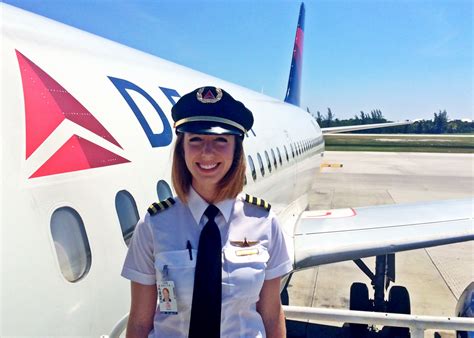
The foundation of a pilot’s earnings is their hourly pay rate. This rate is determined by the combination of aircraft type, rank (Captain or First Officer), and years of service with the company. These rates are meticulously outlined in the collective bargaining agreement (CBA) negotiated between Delta Air Lines and ALPA. For example, a first-year First Officer on a narrow-body aircraft will have a specific hourly rate, while a 12-year Captain on a wide-body aircraft will have a significantly higher hourly rate. These rates typically increase annually according to the contractual pay scale.
Beyond flight pay, per diem is an important part of a pilot’s compensation. This is a daily allowance provided to pilots for meals and incidental expenses incurred while they are on duty and away from their home base. Per diem rates are typically paid for each hour a pilot is away from base, starting from check-in for a trip until they are released from duty back at their home base. A significant advantage of per diem is that a portion of it is often non-taxable, increasing its effective value.
One of the most celebrated components of Delta’s compensation is its robust profit-sharing program. Delta has a strong track record of sharing its financial success with its employees. In profitable years, pilots (along with other eligible employees) receive a percentage of the company’s pre-tax profit. This can translate into a substantial annual bonus, often equivalent to several weeks or even months of pay. For example, in early 2020, before the pandemic’s impact, Delta distributed $1.6 billion in profit sharing, with eligible employees receiving a payout equal to nearly two months’ salary. This commitment to sharing success is a powerful motivator and a significant addition to a pilot’s overall earnings, as highlighted by employee reviews praising the “positive motivation and profit sharing.”
While not always standard, various bonuses can also feature in a pilot’s financial landscape. Historically, major airlines like Delta haven’t relied heavily on signing bonuses for new pilots, as the demand for these positions has typically been high. However, in periods of acute pilot shortages or for specific needs, such bonuses might appear. More common are bonuses tied to the company’s overall performance, which are largely encapsulated within the profit-sharing scheme. Retention bonuses are rare but could be strategically employed if necessary.
Overtime pay offers another avenue for pilots to significantly increase their income. Pilots can opt to fly more than their scheduled monthly hours by picking up additional trips from open time or trading trips with other pilots. Overtime flying is typically compensated at a higher rate, often 150% or even 200% of the pilot’s standard hourly pay, making it an attractive option for those looking to maximize their earnings. The availability of overtime can vary based on operational needs, staffing levels, and the pilot’s seniority, which often dictates their ability to pick up desirable extra flying.
Benefits Beyond the Paycheck: The Comprehensive Delta Advantage
The attractiveness of a career as a Delta pilot is significantly enhanced by an extensive array of benefits that provide financial security, health and wellness support, and unparalleled travel opportunities. These benefits form a critical part of the total rewards package, often valued at tens of thousands of dollars annually.

Comprehensive health insurance is a cornerstone of the Delta benefits package. Pilots and their eligible family members typically have access to a range of medical, dental, and vision plans. Delta often subsidizes a significant portion of the premiums, making the coverage relatively affordable compared to individual market plans. The quality of these plans is generally high, providing peace of mind and access to excellent healthcare services across the United States.
Retirement planning is another key benefit. Delta offers a 401(k) plan with a generous company match. For instance, Delta might contribute a certain percentage of a pilot’s salary to their 401(k) account, significantly boosting their retirement savings over time. While the landscape of airline retirement benefits has shifted away from traditional defined-benefit pension plans across the industry, robust 401(k) contributions help pilots build a substantial nest egg for their post-flying years. It’s worth noting that one Indeed review mentioned “the only thing I dont like is the retirement benefits,” which could reflect a preference for older pension-style plans or specific aspects of the current defined contribution setup. However, for most, the 401(k) with a strong company match is a valuable long-term financial tool.
Perhaps one of the most well-known and highly coveted perks of being an airline employee, especially a pilot, is the travel privileges. Delta pilots, their spouses, dependent children, and often parents, enjoy free or significantly reduced-fare standby travel on Delta flights worldwide. These benefits often extend to other partner airlines through reciprocal agreements. This “non-rev” travel (non-revenue travel) allows pilots and their families to explore the globe at a fraction of the cost, a truly “obvious” and major benefit as cited in employee reviews. While standby travel requires flexibility, the opportunity for extensive personal travel is a major lifestyle enhancement.
Paid time off is also part of the package, with pilots accruing vacation days based on their years of service. The amount of vacation time increases with seniority, allowing senior pilots substantial periods off. Sick leave provisions are also in place to protect pilots’ income during periods of illness.
Furthermore, Delta provides life insurance and disability coverage. These benefits offer crucial financial protection for pilots and their families in the event of unforeseen circumstances. Given the stringent medical requirements for pilots, comprehensive disability coverage is particularly important, providing income replacement if a pilot loses their medical certificate and is unable to fly.
Beyond these tangible benefits, career stability and opportunities for growth at a globally respected airline like Delta are invaluable. Delta’s strong market position, modern fleet, and extensive route network provide a stable employment environment. Pilots have opportunities to advance their careers, not just by moving to larger aircraft or achieving Captain status, but also by pursuing roles in flight instruction, management, or safety programs within the company. The job openings listed on Indeed, such as “FOS – Duty Pilot, DPS” and “DPS – Flight Training Procedures Instructor,” are examples of such alternative career paths within Delta’s flight operations division.
The Path to the Right Seat: Requirements and Hiring for Delta Pilots
Aspiring pilots dreaming of a career with Delta Air Lines face a highly competitive and rigorous selection process. The airline seeks candidates with exceptional skills, a strong academic background, and a demonstrated commitment to safety and professionalism. Meeting the minimum qualifications is just the first step on a challenging but rewarding journey.
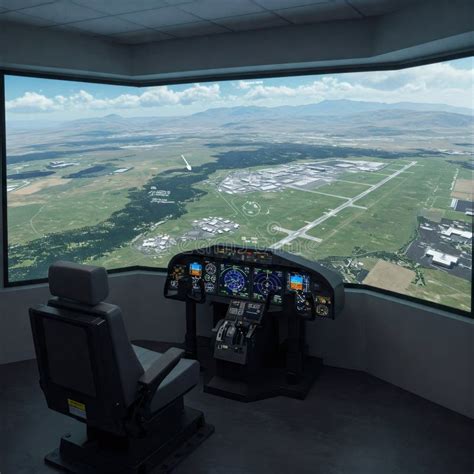
Typically, to be considered for a First Officer position at Delta, candidates must hold an Airline Transport Pilot (ATP) certificate, issued by the Federal Aviation Administration (FAA). This requires a minimum of 1,500 total flight hours, though many successful applicants have significantly more. These hours must include specific experience, such as multi-engine time, Pilot-In-Command (PIC) time, and instrument flight time. A four-year college degree from an accredited institution is often preferred and, in many cases, effectively required due to the competitiveness of the applicant pool. Furthermore, candidates must possess a current FAA First-Class Medical Certificate, attesting to their physical and mental fitness to fly.
Delta’s hiring process is multi-layered and designed to identify the most suitable candidates. It usually begins with an online application, followed by a series of assessments that may include personality tests, cognitive ability tests, and job knowledge evaluations. Candidates who successfully pass these initial screenings are invited for interviews, which often include technical questions related to aviation procedures and regulations, as well as behavioral questions designed to assess their decision-making skills, teamwork abilities, and overall fit with Delta’s culture. The entire process can take several months and is known for its thoroughness.
Once hired, new Delta pilots undergo an intensive training program. This includes comprehensive ground school instruction on aircraft systems, company procedures, and emergency protocols, followed by extensive simulator training to gain proficiency on the specific aircraft type they will be flying. New hire pilots are typically paid during this training period, although the rate may be lower than what they will earn once they are flying the line. This initial training is demanding and crucial for ensuring that all Delta pilots meet the airline’s high standards of safety and operational excellence. Successful completion of this training marks the official start of their career flying for Delta.
Delta Pilot Salaries in Context: An Industry Perspective
When evaluating Delta pilot salaries, it’s beneficial to view them within the broader context of the U.S. airline industry. Delta, along with American Airlines and United Airlines, forms the “Big Three” legacy carriers, and their pilot compensation packages are generally competitive with one another. These airlines often set the benchmark for pay and benefits due to their size, international scope, and the strength of their pilot unions, primarily ALPA.
The Indeed.com statistic stating that the average Delta pilot salary of $216,774 is 137% above the national average for “Pilot” positions is particularly telling. This “national average” likely includes a wide range of pilot jobs, such as flight instructors, charter pilots, and corporate pilots, whose earnings are typically lower than those of major airline pilots. Therefore, Delta’s compensation stands out even more significantly when compared specifically to other airline pilot roles.
Pilot unions, especially ALPA, play a crucial role in shaping compensation across the industry. Through collective bargaining, these unions negotiate contracts that stipulate pay rates, work rules, benefits, and retirement contributions. These contracts are typically renegotiated every few years, providing opportunities for improvements in line with inflation, company profitability, and prevailing market conditions for pilots. The strong contractual agreements ensure a level of standardization and protect pilot interests, contributing to the attractive compensation packages seen at airlines like Delta.
What Delta Pilots Say: Insights from Employee Reviews and Satisfaction
Employee feedback provides valuable insights into the day-to-day realities and overall satisfaction associated with working as a Delta pilot. The reviews available on platforms like Indeed.com generally paint a positive picture of the pay, benefits, and culture at Delta.
Multiple reviews highlight satisfaction with compensation, with one pilot from MSP describing it as an “Excellent job and benefits.” The sentiment that Delta offers a “Great Job” is echoed by others. The statistic that 94% of respondents in an Indeed Work Happiness survey “strongly agreed or agreed that they are paid fairly” at Delta is a strong endorsement of the airline’s compensation practices. This high level of perceived fairness is critical for employee morale and retention.

The company culture is also frequently praised. A line pilot based in Detroit noted that “Delta was the first airline after 2008 to improve employee management relationships. They use positive motivation and profit sharing.” Another long-term employee, who served as a Developer/Trainer and Pilot Scheduler, stated, “Simply put, Delta is the best and Delta cares. These issues are truly necessary for a rewarding career.” Such testimonials underscore the positive working environment that Delta strives to cultivate.
However, no job is without its challenges. One review mentioned “maybe a little too structured work environment” as a con. In the highly regulated airline industry, a structured environment with strict adherence to procedures is essential for safety and operational consistency. While this structure is necessary, it might feel restrictive to some individuals. The comment about retirement benefits, as mentioned earlier, also indicates that there can be differing perspectives on specific aspects of the compensation package.
Overall, the consensus among Delta pilots, as reflected in these reviews, is highly positive, particularly concerning pay, benefits, and the supportive company culture. The emphasis on living in base to enhance quality of life and access overtime also points to practical ways pilots manage their careers for optimal satisfaction.
Future Outlook for Delta Pilot Salaries and Career Prospects
The aviation industry is dynamic, and several factors are likely to influence the future trajectory of Delta pilot salaries and career opportunities. The widely discussed pilot shortage is a significant factor. As experienced pilots retire and the demand for air travel grows globally, airlines are facing increased competition to attract and retain qualified aviators. This market dynamic generally puts upward pressure on pilot compensation and can lead to more favorable contract negotiations for pilots.
Delta’s financial performance is another key determinant. As a consistently profitable airline (barring major industry disruptions like the pandemic), Delta is well-positioned to continue offering competitive salaries and benefits. The airline’s ongoing investments in modern, fuel-efficient aircraft and its strategic expansion of routes also signal a commitment to growth, which typically translates into more opportunities for pilots, including upgrades to Captain and transitions to larger aircraft, both of which come with higher pay.

Future contract negotiations between Delta and ALPA will continue to shape the specifics of pilot pay scales, work rules, and benefits. These negotiations are complex and take into account various factors, including the airline’s financial health, industry benchmarks, and the economic outlook. Given the current industry trends, it is reasonable to expect that Delta pilot compensation will remain robust and likely see continued growth in the coming years.
Conclusion: Is Flying for Delta Air Lines a Lucrative and Rewarding Career?
Undoubtedly, a career as a pilot for Delta Air Lines stands as one of the most financially rewarding and professionally prestigious paths in the aviation world. The journey to the flight deck is demanding, requiring years of training, dedication, and a significant personal investment. However, the compensation, which averages over $200,000 annually and can reach close to half a million dollars for senior captains on wide-body jets, is a powerful testament to the value Delta places on its flight crews.
Beyond the impressive base salaries, the comprehensive package including substantial profit sharing, excellent health and retirement benefits, unparalleled travel privileges, and opportunities for overtime further solidifies Delta’s position as a top-tier employer for pilots. The positive employee reviews, highlighting fair pay and a supportive company culture, reinforce the notion that Delta offers not just a job, but a fulfilling long-term career.
While challenges exist, such as the structured work environment and the inherent demands of an airline pilot’s lifestyle, the overall proposition is exceptionally strong. For those with the passion, skill, and determination to navigate the rigorous path to becoming a Delta pilot, the rewards—both financial and personal—are indeed sky-high, making it a highly sought-after and lucrative career choice in the United States.