Embarking on the journey of drone piloting opens up a breathtaking world of aerial photography, videography, and the sheer joy of flight. For the uninitiated, the prospect might seem daunting, filled with concerns about complex controls and the risk of a costly crash. However, if you’re a newbie drone pilot with a generous budget, the landscape of beginner drones changes dramatically. The question isn’t just “what’s the best drone for a newbie?” but rather, “which top-tier drone offers the most seamless, enjoyable, and confidence-inspiring entry into this incredible hobby?” When money is mostly no object, you can access technology that makes flying intuitive, safe, and incredibly rewarding from your very first flight.
Forget the old adage that beginners must start with cheap, easily broken toys. In fact, investing in a high-end drone from the outset can significantly shorten the learning curve and enhance safety. These premium models are packed with sophisticated features designed not just for professionals, but also to provide an unparalleled safety net and ease of use for those just starting out. This guide will navigate you through the best options, ensuring your first foray into the skies is nothing short of spectacular.
Why Premium Drones Are a Beginner’s Best Friend
It might seem counterintuitive to hand a sophisticated piece of technology to a novice, but modern high-end drones are engineered with the beginner in mind. The premium price tag doesn’t just buy a better camera; it buys peace of mind, advanced intelligence, and a far more forgiving flight experience. Many advanced drones, particularly from leading manufacturers like DJI, are often described as devices that practically fly themselves. They feature automated take-off and landing sequences activated by a single button press, diminishing one of the most common points of anxiety for new pilots. This allows the beginner to focus on understanding flight dynamics and camera controls rather than wrestling with basic stability.
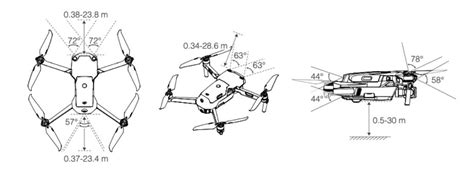
The most significant advantage lies in their advanced safety features. Chief among these is obstacle avoidance, often omnidirectional in top-tier models. These systems use a suite of sensors – visual, infrared, and sometimes others – to detect and automatically maneuver around potential hazards like trees, buildings, or even people. For a newbie drone pilot, this is an absolute godsend, dramatically reducing the likelihood of an accidental collision. Furthermore, robust GPS and GLONASS (or other satellite system) integration means these drones hold their position with remarkable stability, even in light winds, and feature highly reliable Return-to-Home (RTH) functions. If the battery runs low, the signal is lost, or the pilot simply gets disoriented, the drone can autonomously navigate back to its take-off point. This suite of protections builds confidence rapidly, allowing the new user to explore and learn without constant fear.
Beyond safety, intuitive flight controls are a hallmark of premium drones. Sophisticated software, refined over generations of products, translates stick movements into smooth, predictable aerial maneuvers. Many also come with intelligent flight modes that automate complex shots, such as orbiting a subject or creating dramatic fly-away reveals. This means a beginner can capture professional-looking footage with minimal manual input, providing instant gratification and motivation to delve deeper into the hobby. Finally, the superior build quality and reliability of these drones mean fewer technical glitches and a more robust platform that can withstand the occasional minor bump (though relying on obstacle avoidance is always preferred!). The combination of an excellent camera system and ease of flight ensures that the drone doesn’t just sit on a shelf after the initial novelty wears off; it becomes a tool for creative expression and exploration.
DJI: The Undisputed Leader for Newbie-Friendly Premium Drones
When discussing user-friendly yet powerful drones, one name consistently rises to the top: DJI. This company has carved out a dominant position in the consumer and prosumer drone market, largely due to its relentless innovation in flight control systems, safety features, and camera technology. For a beginner drone pilot looking for a premium experience, the DJI ecosystem offers a polished and comprehensive package. Their flight apps are generally intuitive, their hardware is reliable, and the sheer volume of online tutorials and community support is invaluable for anyone starting out. DJI has perfected the art of making complex technology accessible, ensuring that even their most advanced drones can be flown confidently by individuals with no prior experience, a sentiment echoed by many experienced pilots who note that everyone can fly a DJI drone due to their extensive security functions.
Top Pick: The DJI Mini 4 Pro – The Ultimate Beginner’s Powerhouse
The DJI Mini 4 Pro stands out as arguably the best drone for a newbie when performance, portability, and ease of use are paramount, and the budget is accommodating. This drone masterfully balances a compact, lightweight design with a feature set typically found in larger, more expensive models. One of its most touted features is its weight: with the standard battery, it often comes in under 250 grams. While historically this weight class offered significant regulatory advantages, such as avoiding FAA registration in the US for purely recreational flyers, it’s crucial to note that regulations like Remote ID are changing the landscape. However, being lightweight still offers benefits in terms of portability and potentially fewer restrictions in certain jurisdictions. Regardless, responsible flying and awareness of local laws are always essential.
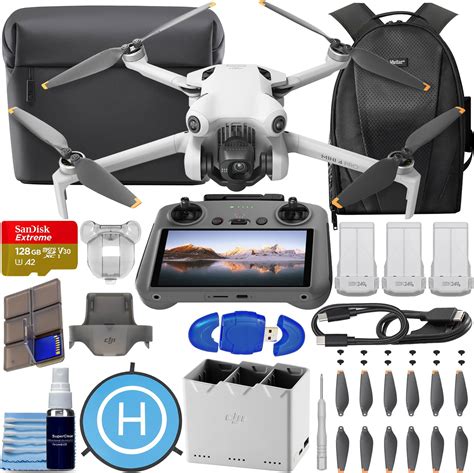
The true game-changer for beginners on the DJI Mini 4 Pro is its omnidirectional obstacle sensing system. This provides 360-degree awareness, significantly reducing the risk of accidental crashes from any direction – forwards, backwards, upwards, downwards, and sideways. This comprehensive protection allows new pilots to fly with greater confidence, knowing the drone is actively working to avoid collisions. Coupled with APAS 5.0 (Advanced Pilot Assistance Systems), the drone can intelligently bypass obstacles or brake to avoid them, depending on user settings.
Camera quality is another area where the Mini 4 Pro shines, making it an excellent choice for those eager to capture stunning aerial visuals from day one. It boasts a 1/1.3-inch CMOS sensor capable of shooting 4K/60fps HDR video and 48MP RAW photos. Features like Dual Native ISO Fusion, D-Log M color profile (offering more flexibility in post-production), and impressive Night Shots capabilities mean that even a beginner can achieve breathtaking results with minimal effort. The ability to shoot in True Vertical Shooting mode is perfect for content destined for social media platforms, eliminating the need to crop in post-production and preserving image quality.
DJI’s suite of Intelligent Flight Modes is fully implemented in the Mini 4 Pro. ActiveTrack 360° allows the drone to autonomously follow a subject with improved tracking capabilities, while MasterShots and QuickShots offer a variety of pre-programmed cinematic flight paths. These modes empower new pilots to create dynamic, professional-looking videos with just a few taps on the controller. Speaking of controllers, opting for the DJI RC 2 controller with its built-in high-brightness screen is highly recommended. This eliminates the need to use a smartphone as a display, simplifying the setup process and providing a dedicated, clear view even in bright sunlight.
The DJI Mini 4 Pro also features DJI’s latest O4 video transmission system, offering a stable and clear live feed up to 20km (FCC compliant, though always fly within visual line of sight). Standard battery flight time is rated up to 34 minutes, which is ample for most beginner sessions. Investing in the Fly More Combo is almost always a wise decision, as it typically includes extra batteries, a charging hub, a carrying bag, and spare propellers, extending your flight time and overall convenience significantly.
Stepping Up: The DJI Air 3 – Enhanced Capability and Versatility
If your budget stretches further and you desire even more capability, particularly in terms of camera versatility and flight performance in more challenging conditions, the DJI Air 3 is an exceptional choice for a newbie drone pilot who is serious about the hobby. While slightly larger and heavier than the Mini 4 Pro (and thus requiring FAA registration without question), the Air 3 brings a compelling set of features that are still remarkably accessible to beginners.
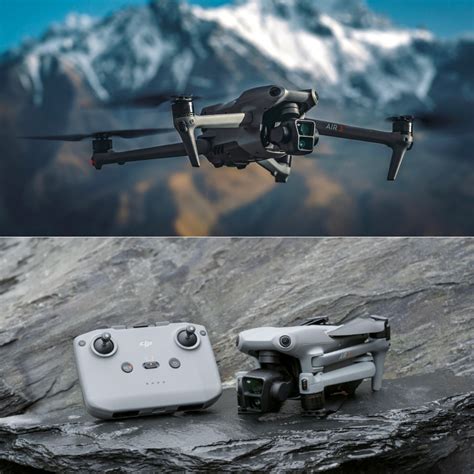
The standout feature of the DJI Air 3 is its dual primary camera system. It incorporates both a wide-angle camera and a 3x medium telephoto camera, both utilizing 1/1.3-inch CMOS sensors. This dual-camera setup provides incredible creative flexibility, allowing new pilots to experiment with different focal lengths and perspectives without needing to digitally zoom (which degrades quality) or switch drones. The telephoto lens is particularly useful for capturing subjects from a distance, adding a sense of compression and drama to shots, or for safely observing wildlife without disturbance. Both cameras support 4K/60fps HDR video and can capture 48MP photos.
Like the Mini 4 Pro, the Air 3 is equipped with omnidirectional obstacle sensing and APAS 5.0, ensuring a high level of safety and confidence for new users. It also benefits from the O4 HD video transmission system for robust connectivity. One of the most impressive aspects of the Air 3 is its extended flight time, rated up to a remarkable 46 minutes per battery. This class-leading endurance means more time in the air for practice, exploration, and capturing that perfect shot, reducing the pressure on new pilots to rush.
While it shares many of the intelligent flight modes with the Mini 4 Pro, the Air 3’s slightly larger size and more powerful motors give it better wind resistance, making it a more capable performer in breezy conditions. The learning curve remains gentle due to DJI’s intuitive controls and safety systems, making the Air 3 a fantastic option for a beginner who wants a drone that they can grow into without feeling quickly limited.
The Apex Predator (For Ambitious Newbies): The DJI Mavic 3 Series
For the newbie drone pilot for whom money is truly no object and who possesses a keen interest in achieving the absolute pinnacle of image quality from their first drone, the DJI Mavic 3 series (including the Mavic 3 Pro and Mavic 3 Classic) enters the conversation. These drones represent the top tier of consumer/prosumer offerings, boasting unparalleled camera systems and professional-grade features.
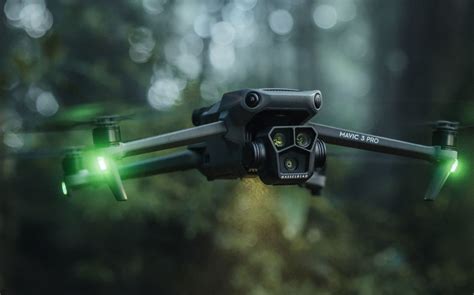
The DJI Mavic 3 Pro is distinguished by its groundbreaking triple-camera system, featuring a large 4/3 CMOS Hasselblad main camera, a 70mm medium telephoto, and a 166mm telephoto lens. The DJI Mavic 3 Classic offers the same exceptional Hasselblad main camera but omits the additional telephoto lenses for a slightly more accessible price point within the Mavic 3 range. The image quality from the Hasselblad camera is simply stunning, offering incredible dynamic range, color accuracy, and low-light performance.
While these drones are incredibly powerful, DJI has ensured they remain relatively easy to fly, incorporating the same advanced omnidirectional obstacle sensing and intelligent flight modes found in their other premium models. However, the sheer breadth of features, camera settings, and professional codecs (like Apple ProRes on certain Mavic 3 versions) can present a steeper learning curve for a complete beginner. While a tech-savvy and ambitious newcomer could certainly manage it, the Mavic 3 series might be more overwhelming initially compared to the Mini 4 Pro or Air 3. It’s often considered an excellent second drone after mastering the fundamentals, but if the goal is to start at the very top with the best possible image quality, and the pilot is patient and dedicated to learning, it’s a viable, albeit luxurious, entry point.
Beyond DJI: A Brief Look at Alternatives
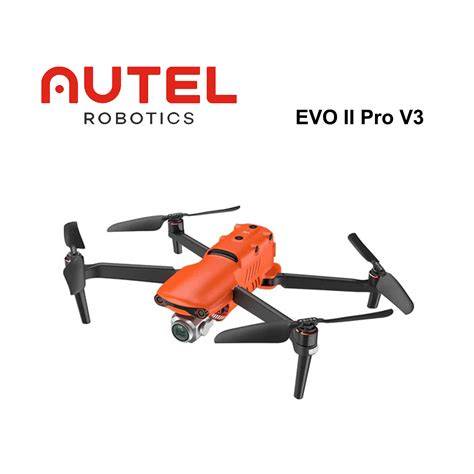
While DJI largely dominates the premium, beginner-friendly market, it’s worth acknowledging that other manufacturers produce quality drones. Autel Robotics, with its EVO series (such as the EVO Lite+ or the more advanced EVO II Pro), is often cited as DJI’s strongest competitor. Autel drones are known for their excellent cameras, robust build quality, and sometimes offer features or design philosophies that appeal to users seeking an alternative to the DJI ecosystem. For instance, some Autel models have historically not had the same geofencing restrictions as DJI, which can be a plus for some advanced users (though always fly legally and responsibly). The Autel Robotics EVO Nano+, mentioned in community discussions, aimed to compete with DJI’s Mini series, offering a lightweight, sub-250g option with a strong camera and obstacle avoidance. For a beginner with a high budget, exploring Autel’s current premium offerings could be worthwhile, though the overall ecosystem and beginner-focused polish of DJI often give it the edge for first-time pilots.
Crucial First Steps: Essential Knowledge for Every New Drone Pilot
Regardless of how advanced and user-friendly your chosen drone is, responsible and safe operation is paramount. Before your first flight, familiarize yourself with these critical aspects:
Understanding Drone Regulations: The FAA and You (U.S. Focus)
In the United States, the Federal Aviation Administration (FAA) governs drone operations. Key requirements include:
- The Recreational UAS Safety Test (TRUST): All recreational flyers must pass this free online test and carry proof of passage.
- Registration: Drones weighing 0.55 pounds (250 grams) or more must be registered with the FAA. This includes most drones beyond the Mini series (when using standard batteries). Even if your drone is under 250g, registering it can be a good idea, especially with evolving Remote ID requirements. The registration process is simple and costs only $5.
- Remote ID: Most new drones are being manufactured with Remote ID capabilities, which broadcast identification and location information. Understand the requirements for your specific drone.
- B4UFLY App: This official FAA app provides real-time information about airspace restrictions and is an essential tool for pre-flight planning. Do not rely solely on the drone manufacturer’s built-in airspace maps, as the B4UFLY app is the authoritative source.
- Basic Flight Rules: Always fly within Visual Line of Sight (VLOS). Do not fly over groups of people, public events, or sports stadiums. Adhere to altitude limits (typically 400 feet AGL). Respect no-fly zones around airports and critical infrastructure. Be aware that you can’t fly over occupied sports stadiums, a point that surprisingly needs frequent reiteration.
Practice, Practice, Practice
Your high-end drone will have many safety nets, but good piloting skills are still essential. Start in a large, open area, free from obstacles like trees, power lines, and people. Familiarize yourself with the controls, how the drone responds, and its spatial awareness. Many drone manufacturers offer flight simulators, or there are third-party options, which can be an excellent way to get a feel for the controls without any real-world risk. Gradually progress to more complex maneuvers and environments as your confidence and skills grow.
Essential Drone Accessories for Newbies
While a Fly More Combo provides many essentials, consider these additional accessories:
- Extra Propellers: Even with obstacle avoidance, accidents can happen, and propellers are often the first casualty.
- ND Filters (Neutral Density Filters): These are like sunglasses for your drone’s camera, allowing you to achieve smoother, more cinematic video footage in bright daylight by enabling slower shutter speeds.
- Landing Pad: Protects your drone from dust, debris, tall grass, or uneven surfaces during take-off and landing.
- High-Quality, High-Speed MicroSD Cards: Ensure your card can handle the high-resolution video your drone produces. Check the drone manufacturer’s recommendations.
- A Comfortable and Protective Carrying Case or Backpack: To safely transport your investment.
The “Follow Me” Feature: A Beginner’s Dream?
A common question from aspiring drone pilots, especially those interested in capturing their own activities, concerns the reliability and quality of “Follow Me” functions. On premium consumer drones like those from DJI, this feature is typically branded as ActiveTrack. Generally, DJI’s ActiveTrack is considered industry-leading for consumer-grade drones. It uses a combination of visual tracking algorithms and GPS data to follow a selected subject.
For a newbie drone pilot, ActiveTrack can be an incredible tool for capturing dynamic self-shot footage without needing a second operator. It allows the drone to autonomously orbit, trace alongside, or follow from behind. However, it’s not infallible. The system works best in open environments with good lighting and a clearly defined subject. Dense forests, areas with many moving objects, or rapid, unpredictable subject movements can challenge the tracking capabilities. Obstacle avoidance systems work in conjunction with ActiveTrack, but it’s crucial to use this feature with caution, especially in complex environments. Always be prepared to take over manual control if needed. While impressive, it’s a tool that requires understanding its limitations for best results.
Your Maiden Voyage Awaits: Choosing the Best High-End Drone for Your Start
For the newbie drone pilot fortunate enough to have a substantial budget, the journey into aerial cinematography and flight can begin with exceptional equipment that prioritizes safety, ease of use, and outstanding image quality. The DJI Mini 4 Pro stands as a premier choice, offering an incredible array of features, top-tier obstacle avoidance, and fantastic video capabilities in a compact package that simplifies some regulatory aspects. For those desiring more camera versatility and even longer flight times, the DJI Air 3 presents a compelling step up, remaining exceptionally beginner-friendly despite its enhanced power.
Ultimately, the best drone for a newbie in this scenario is one that inspires confidence, minimizes the stress of learning, and delivers breathtaking results from the very first flight. With advanced features like omnidirectional obstacle sensing, intelligent flight modes, and superb camera systems, today’s high-end drones are more accessible than ever. Embrace the learning process, always fly responsibly, and prepare to witness the world from an entirely new and exhilarating perspective. The sky is not the limit; it’s just the beginning.