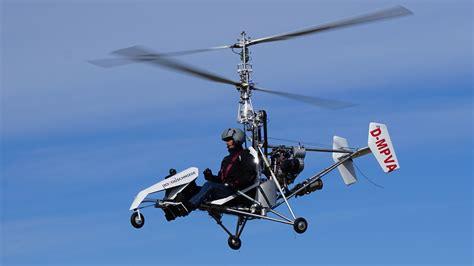
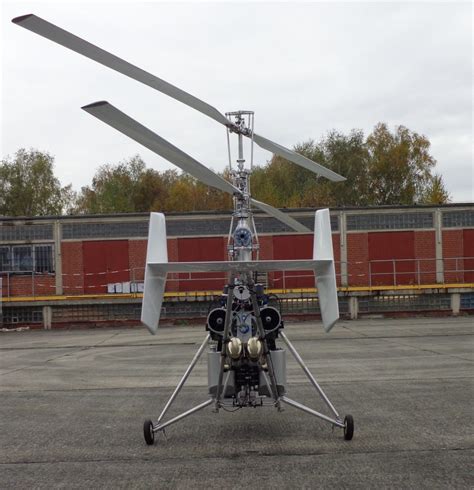
The Rotorschmiede VA115 is a German-engineered coaxial ultralight helicopter that has drawn considerable interest among aviation enthusiasts for its sleek profile and relatively accessible price tag. With a price point around €80,000, the VA115 is far from a casual purchase, but it has found a niche market among hobbyist pilots looking for a more personal and agile flight experience.
Despite its name and appearance, the VA115 does not qualify as an ultralight aircraft under U.S. FAA regulations due to its 306-pound empty weight and 8-gallon fuel capacity, both of which exceed the limits outlined in 14 CFR 103.1. This classification issue affects not only its use but also its legal status in certain jurisdictions.
Recreational Use and Personal Transport: The Primary Appeal
The primary allure of ultralight helicopters like the VA115 lies in short-range recreational flights. Many potential buyers envision themselves flying from property to property, skimming over farmland, or commuting to a friend’s rural estate with minimal hassle. One enthusiast described it as “a lot more fun than driving around a huge field,” summarizing the personal freedom such a machine offers.
This niche appeal is central to why individuals gravitate toward the VA115. It is less about practical transport in the conventional sense and more about the experience of flying itself—the visceral thrill, the speed, and the ability to reach remote spots with ease. Owners often use these helicopters to explore private land, enjoy weekend flights, or simply scratch the aviation itch without committing to the expense and bureaucracy of larger aircraft.
The Regulatory Crossroads: Ultralight, Experimental, or Certified?
Where and how you intend to use the VA115 plays a crucial role in determining its viability. In the United States, ultralight aircraft must conform to strict parameters: an empty weight of no more than 254 pounds, maximum fuel capacity of 5 gallons, and single-occupant use. Because the VA115 exceeds these limitations, it cannot legally be flown as an ultralight in the U.S.
This leads prospective owners to consider the experimental amateur-built category. If Rotorschmiede were to offer a kit-built version of the VA115—one that requires the buyer to assemble at least 51%—it could potentially be registered as an experimental aircraft, allowing more leeway for modifications, repairs, and operation. However, the lack of such a kit version limits flexibility, particularly in markets like the U.S.
Maintenance, Durability, and Safety Concerns
A key theme among experienced aviators and mechanics is caution. Numerous online forums include sharp critiques of the VA115’s construction and mechanical integrity. Concerns often center on drive belt reliability, bearing durability, and structural weaknesses in key components such as the landing gear and rotor assembly.
Comments like “deathtraps,” “GoPro was holding on for dear life,” and “no way any of the bearings could possibly last more than 10 hours” paint a grim picture of sustained use. While these may seem exaggerated, they reflect genuine unease within the aviation community regarding ultralight helicopters lacking rigorous certification or a robust support ecosystem.
A particularly telling remark came from the father of a long-time pilot: “I’d never hang my life from that belt.” When such caution comes from within the profession, it carries weight. These helicopters may not endure the rigors of regular flight without frequent, expert-level maintenance—something most hobbyists are ill-equipped to perform.
Community Perception and Use Cases in Popular Culture
Beyond recreational flying, the VA115 has attracted a mix of creative and fantastical use-case scenarios. Some users jest about using such ultralights to cross borders, execute aerial raids, or emulate James Bond-style getaways. While obviously tongue-in-cheek, these statements reflect a cultural fascination with high-agility, low-profile helicopters that blend fiction and flight.
Others entertain more practical uses: crop dusting, intimidating drones, or grabbing lunch in another country. While these ideas are romantic and occasionally plausible, they further reinforce the notion that the VA115 is best suited for personal amusement rather than structured, high-reliability missions.
A Viable Alternative: The Mosquito XE
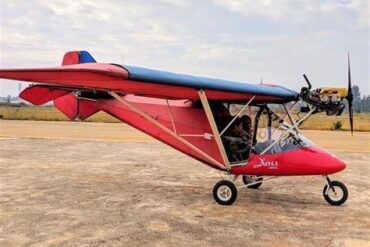
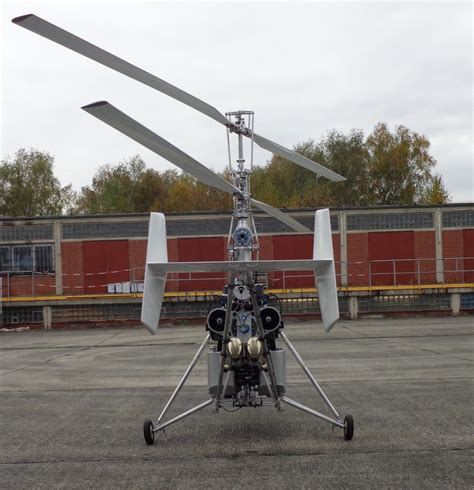
When safety, community support, and regulatory flexibility are priorities, many experts point toward the Mosquito XE as a superior alternative. Designed to meet FAA ultralight requirements (in its single-seat version), the Mosquito XE boasts a larger user base, wider availability of parts, and a history of safer operation when flown within its design envelope.
Pilot forums and Reddit threads repeatedly highlight the Mosquito XE as a “consistently better documented and supported machine.” It can be built from a kit, fits the experimental category, and offers more extensive flight documentation and pilot testimonials. Prospective buyers are also encouraged to obtain a helicopter license, regardless of aircraft classification, to ensure safety and operational competence.
Expert Opinions: Listen to the Mechanics and Pilots
Within aviation circles, particularly among mechanics and certified helicopter pilots, the warning is resounding: do not underestimate the risks of ultralight helicopters. One seasoned professional stated flatly, “Don’t buy that. You’ll die. Not worth it.” Though blunt, this reflects an ethos of caution born from experience. Ultralights like the VA115 operate at the fringe of aviation safety standards, and while many pilots survive years of recreational flying, the margin for error is paper-thin.
The lack of rigorous third-party certification, absence of formal maintenance schedules, and ambiguous legality in many regions combine to form a high-risk profile. This doesn’t invalidate the aircraft’s appeal—it simply demands an informed and cautious approach to ownership.
Final Thoughts: Risk, Reward, and the Real-World Application
In summation, helicopters like the Rotorschmiede VA115 occupy a grey area between exhilarating freedom and mechanical roulette. Their most common use is undoubtedly recreational flight—often over personal land, private airstrips, or quiet rural spaces. For some, it’s about trimming commute time between remote properties; for others, it’s the sheer thrill of flight without red tape.
However, this dream is tempered by regulatory restrictions, the need for technical know-how, and a critical awareness of inherent mechanical limitations. For those set on flying one, seeking a kit-built, experimental path may offer more flexibility and peace of mind. But for anyone unwilling to accept high levels of risk or complex maintenance requirements, fixed-wing ultralights, gyrocopters, or proven platforms like the Mosquito XE are far more practical.
The VA115 may not be the safest or most sensible purchase, but it encapsulates a dream—one of unfettered, personal aviation that answers not to airlines, schedules, or highways. And for some, that dream is worth the gamble.