Understanding Ultralight and Microlight Aircraft
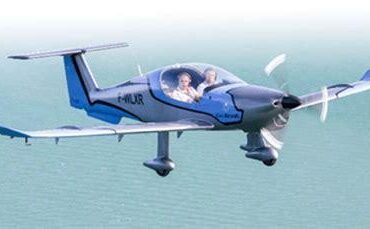
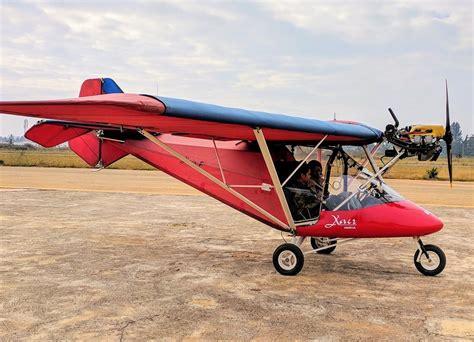
When it comes to microlight and ultralight aircraft, there are two primary types. The first is the 3-axis type, which resembles a traditional airplane. The second is the flexwing type, featuring a wing similar to that of a hang glider or paraglider, with a tricycle undercarriage hanging beneath it. This latter type is often known as a Paramotor or Powered Paraglider (PPG). Pilots control these aircraft either through weight shifts or using a paraglider control system. Most unpowered microlights are foot-launched paragliders and hang gliders.
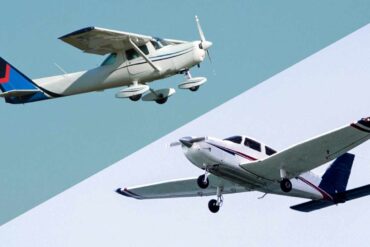
Recently, distinguishing between ‘conventional’ small aircraft and ‘very small’ microlights or ultralights has become challenging. As a result, the term ‘small manned aircraft’ is frequently used, though it lacks a universally accepted definition. This contrasts with the term Small Unmanned Aircraft (SUA), which now has weight definitions regulated by agencies. Likewise, no single definition for microlight or ultralight aircraft exists, but ICAO documentation provides the most relevant guidelines. According to ICAO, an aircraft must have a maximum take-off mass (MTOM) not exceeding 454 kg (1,000 lbs) and must not typically be used for public transport. It should also have no more than two seats and a stall speed of no more than 35 KCAS. Specific weight limits apply based on the type of aircraft, such as 300 kg for a single-seat landplane and 495 kg for a two-seat amphibian or floatplane.
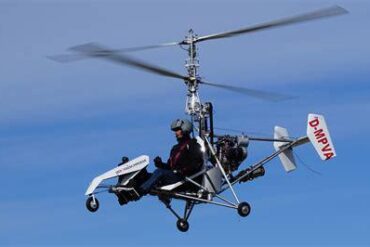
In the UK, the CAA defines a powered microlight as one designed for no more than two people and having a stalling speed at MTWA not exceeding 35 KCAS or a wing loading not exceeding 25 kg per square meter. The MTWA limits in the UK include 300 kg for a single-seat landplane and 450 kg for a two-seat landplane. However, this definition does not cover rotorcraft or gyroplanes.
In the USA, the FAA defines an Ultralight Vehicle as one that meets specific criteria, including being operated by a single occupant for recreation or sport and weighing less than 254 lbs if powered. For unpowered vehicles, the weight limit is 155 lbs.
Operating microlight and ultralight aircraft often comes with strict regulations. Typically, pilots cannot operate these aircraft in ways that pose hazards to people, property, or other aircraft. Many jurisdictions prohibit operations over densely populated areas or large gatherings. Furthermore, many regulations require visual reference with the surface during flight, impacting minimum visibility and cloud distance. The FAA mandates that ultralight vehicles can only be operated from sunrise to sunset unless they have certain lighting equipment.
Regarding right-of-way rules, ultralights may differ from standard regulations. For instance, while ICAO guidelines state that powered aircraft must yield to gliders and balloons, the FAA requires ultralight vehicles to give way to all other aircraft.
Certification and registration for microlight and ultralight aircraft vary widely. In the USA, the FAA does not require ultralight vehicles to meet airworthiness standards or carry identification markings. Conversely, in the UK, registration is mandatory, although direct oversight by the CAA is not required. Aircraft operators must ensure their aircraft is safe and in good condition.
Pilot licensing requirements also differ by region. In the USA, ultralight pilots need no specific licenses or medical certifications. However, in the UK, pilots must hold a National PPL (NPPL) after completing training and passing tests. Certain self-launching motor gliders also qualify as microlights in the UK, where pilot training is not mandatory.
Overall, understanding the distinctions and regulations surrounding ultralight and microlight aircraft can enhance safety and enjoyment for enthusiasts.