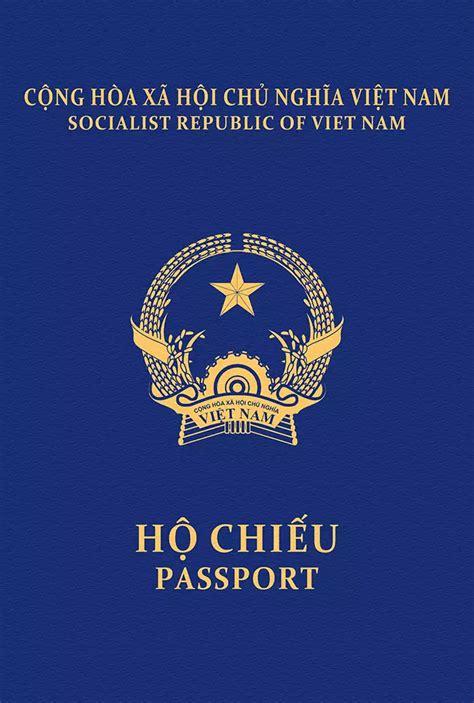
Vietnam has made remarkable strides in the global passport rankings, reflecting the country’s diplomatic achievements, technological advancements, and the positive image of its citizens abroad. The Henley Passport Index, released on July 22, revealed that Vietnam’s passport has risen seven spots this year, now holding the 84th position. This upward trajectory is attributed to several factors, including a proactive foreign policy, improved passport technology, and stronger international relations. The Vietnamese passport now offers visa-free or visa-on-arrival access to 51 destinations out of 227, marking significant gains in the global rankings and positioning it as one of Southeast Asia’s rising passport contenders.
Vietnam’s Best Ranking Yet: A Historical Context
In 2006 and 2007, Vietnam’s passport achieved its highest ranking of 78th, a position that seemed difficult to surpass at the time. However, the country’s steady rise over the years indicates that strategic foreign policies, combined with practical improvements in passport infrastructure, have played pivotal roles in this growth. With this recent ascent to 84th place, Vietnam is poised to further climb in future rankings, showcasing the positive impact of both domestic and international efforts.
The Role of Vietnam’s Foreign Policy
One of the primary drivers behind the improvement in Vietnam’s passport ranking is the country’s evolving foreign policy. Vietnam has taken proactive steps to strengthen its diplomatic ties with a wide range of countries, allowing for more visa exemptions and cooperation agreements. Hoang Nhan Chinh, head of the tourism advisory board secretariat, emphasized that the recent improvements are largely due to Vietnam’s active integration into the global political scene. High-level diplomatic engagements by leaders of the Party, Government, and National Assembly have paved the way for critical visa negotiations, significantly contributing to the country’s elevated standing in global passport rankings.
Enhancing Passport Technology and Security
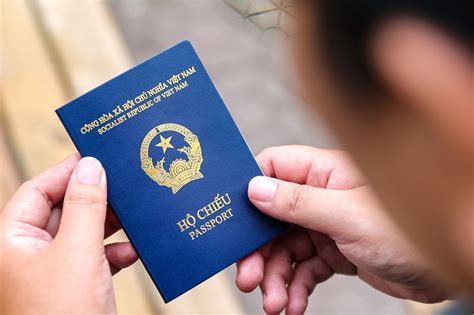
Alongside diplomatic efforts, Vietnam has also focused on enhancing the security and technological aspects of its passports. Since 2023, chip-embedded passports have been issued, which comply with international standards. The inclusion of these advanced security features not only protects travelers but also builds trust with other countries, enhancing the overall credibility of the Vietnamese passport. The country’s immigration management system has similarly been modernized, incorporating automated border control systems that streamline entry and exit procedures, making the process more efficient and secure. These technological advancements play an essential role in boosting the international standing of the Vietnamese passport. As countries around the world continue to prioritize secure immigration processes, Vietnam’s modernization efforts ensure that its citizens are viewed as reliable and trustworthy travelers.
The Positive Image of Vietnamese Tourists Abroad
Another contributing factor to the improvement in Vietnam’s passport ranking is the reputation of Vietnamese tourists abroad. According to Nguyen Tien Dat, general director of AZA Travel, Vietnamese travelers are generally well-mannered, respectful of local laws, and tend to spend generously during their travels. The positive behavior of Vietnamese citizens abroad not only strengthens the country’s image but also influences other countries to offer more visa exemptions, further enhancing the value of the Vietnamese passport. This favorable image abroad is crucial, as countries that perceive Vietnamese tourists positively are more likely to extend visa exemptions or offer relaxed visa policies. Therefore, maintaining good behavior while traveling is integral to the continued improvement of Vietnam’s passport ranking.
Visa-Free Access: The Numbers and Limitations
Despite the positive gains, the number of visa-free or visa-on-arrival destinations available to Vietnamese passport holders remains at 51. While this represents a significant improvement, it also highlights the challenges the country faces in expanding its global mobility. The stagnant number of destinations suggests that other countries may have experienced declines in their passport rankings, but it also indicates that there is still much work to be done in terms of expanding the Vietnamese passport’s reach. Hoang Nhan Chinh also pointed out that the unchanged figure serves as a reminder that there is still much to be done to enhance the true power of the Vietnamese passport. While it has made significant strides, the journey toward greater global mobility is ongoing, and continued efforts are required to further expand Vietnam’s passport privileges.
Southeast Asia’s Passport Comparison
When compared to other Southeast Asian countries, Vietnam’s passport stands in the middle of the pack. For instance, Singapore continues to hold the strongest passport in the region, with visa-free access to 193 destinations, despite a slight reduction from 195 earlier this year. Singapore’s high passport ranking is largely due to its strong diplomatic ties, public safety, and low rates of illegal overstays abroad, which have bolstered its standing in the global rankings. Vietnam, however, has room to catch up with its regional counterparts. Its passport offers 51 destinations, a solid number but still far behind countries like Singapore. Nevertheless, the country’s efforts to improve its diplomatic relations, coupled with advancements in immigration infrastructure, suggest that its passport could continue to rise in future years.
The Path Forward for Vietnam’s Passport
Looking ahead, Vietnam has opportunities to further expand its visa-free access through bilateral agreements with countries with which it shares strong diplomatic ties. By increasing the number of unilateral visa exemptions, Vietnam can not only boost inbound tourism but also foster reciprocity among countries. This would not only improve the Vietnamese passport’s ranking but also stimulate economic growth through increased tourism and business exchanges. Moreover, further efforts must be made to ensure the responsible behavior of Vietnamese citizens while traveling abroad. Reducing instances of illegal residency, legal violations, and illegal migration will help solidify the trust that other countries place in Vietnamese travelers. Chinh emphasized that outbound tour operators must continue to encourage travelers to uphold Vietnam’s positive image overseas, ensuring that the country’s reputation remains intact as it continues to expand its global reach.
The Role of Immigration Infrastructure
The continued investment in immigration infrastructure is also critical to the future success of Vietnam’s passport. As the global travel landscape evolves, the need for transparent, reliable, and efficient immigration processes becomes more important. By investing in data digitalization and biometric integration, Vietnam can ensure that its travelers are equipped with the necessary tools to seamlessly navigate the increasingly complex global travel environment. These upgrades will not only improve the overall travel experience but also contribute to the country’s growing international reputation.
Expanding Global Mobility: Key Areas of Focus
To maintain the momentum of its passport’s ascent, Vietnam must focus on several key areas:
- Expanding diplomatic ties: Strengthening existing relationships and negotiating new visa exemptions will be vital for increasing the number of destinations accessible to Vietnamese travelers.
- Enhancing traveler behavior: Continued efforts to ensure that Vietnamese citizens behave responsibly and respect local laws abroad will be essential for maintaining and improving the country’s passport status.
- Upgrading immigration infrastructure: Continued investment in digitalization, biometric technology, and automated border controls will improve the efficiency and security of the Vietnamese passport.
- Boosting reciprocity: Encouraging countries to offer reciprocal visa exemptions will help to increase the value and influence of the Vietnamese passport in global rankings.
A Bright Future for Vietnam’s Global Mobility
Vietnam’s rise in the Henley Passport Index is a testament to the country’s proactive foreign policy, improved passport technology, and the positive behavior of its citizens abroad. While the number of visa-free destinations currently stands at 51, the country’s path forward is filled with opportunities to further expand its global mobility. By focusing on strengthening diplomatic relationships, enhancing immigration infrastructure, and fostering positive international perceptions, Vietnam is poised to continue climbing the global passport rankings in the years to come. The ongoing efforts to modernize its passport system will ensure that Vietnam’s citizens enjoy greater freedom and access to the world, further solidifying the country’s place on the global stage.