Safety, the lifeblood of any esteemed airline, is not merely a compliance metric—it is a strategic commitment, a relentless pursuit of excellence, and a cornerstone of passenger trust. Vietnam Airlines (VNA) has transformed this philosophy into reality, carving a reputation in the skies that now places it among the world’s safest carriers in 2025. As we examine the multiple dimensions of this recognition, one truth becomes clear: Vietnam Airlines is not only participating in global aviation—it is shaping the future of aviation safety itself.
From meticulously maintained aircraft to internationally validated protocols, VNA’s operational culture is built on an ethos of diligence and forward-looking innovation. It is no coincidence that AirlineRatings has listed Vietnam Airlines among the World’s Top 25 Safest Airlines for 2025. This acknowledgment is neither fleeting nor ceremonial—it is a direct consequence of sustained, measurable achievements.
A Record of Excellence: Over Two Decades Without a Fatal Incident
What sets Vietnam Airlines apart is not just its ambition but its unparalleled execution. According to AirlineRatings CEO Sharon Petersen, the airline has operated without a fatal accident in over 27 years, a statistic that few global carriers can match. Even more impressive, VNA has not experienced a single serious incident within that timeframe, an accomplishment that speaks volumes about the airline’s internal safety protocols, risk mitigation culture, and technical reliability.
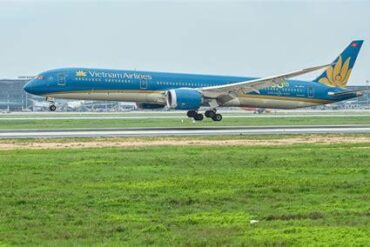
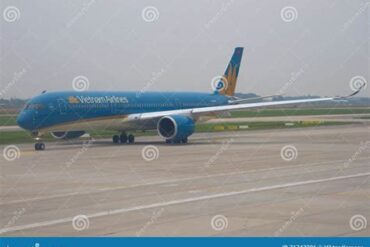
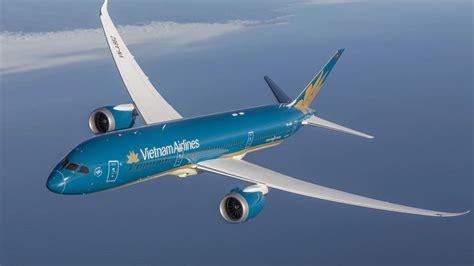
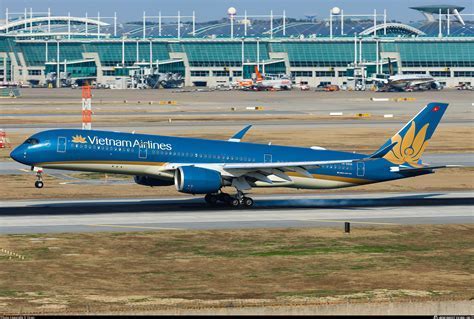
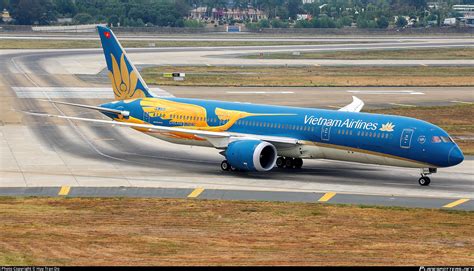
Operating a fleet of over 100 aircraft, the airline has maintained an average fleet age of less than 10 years—a critical factor in ensuring mechanical reliability and integrating the latest safety technologies. Modern aircraft such as the Boeing 787 Dreamliner and Airbus A350-900 form the backbone of Vietnam Airlines’ long-haul operations, both equipped with advanced avionics and real-time diagnostic systems that bolster in-flight safety.
IATA Recognition: IOSA Certification Since 2006
A pivotal contributor to Vietnam Airlines’ reputation is its unbroken streak of certifications under the IATA Operational Safety Audit (IOSA) program. Since 2006, VNA has passed every audit cycle without fail—no minor achievement, considering IOSA’s status as one of the most stringent safety evaluations in global commercial aviation.
The IOSA certification involves a thorough examination of an airline’s organizational structure, safety systems, flight operations, dispatch procedures, engineering, and maintenance processes. That Vietnam Airlines continues to clear this audit repeatedly and effortlessly is a reflection of institutional discipline and proactive risk management.
Global Leadership: Hosting the IATA World Safety and Operations Conference
In 2023, Vietnam Airlines was entrusted with hosting the IATA World Safety and Operations Conference—a decision that carries symbolic and practical weight. This prestigious event brings together aviation leaders, regulators, safety experts, and operational heads from across the globe.
By choosing Vietnam as the host nation and Vietnam Airlines as the focal facilitator, IATA was indirectly affirming the airline’s thought leadership in aviation safety. Discussions at the event revolved around post-pandemic operational resilience, next-gen safety technologies, and regulatory harmonization, with Vietnam Airlines at the center of these critical dialogues.
The hosting of such an event does more than boost international visibility—it confirms that VNA is not merely following safety trends but helping shape global safety strategies.
Safety Beyond the Cockpit: National Infrastructure and Policy Evolution
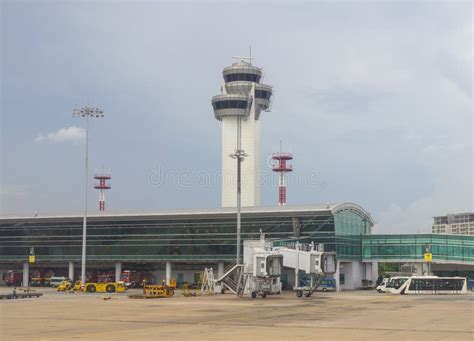
Vietnam Airlines’ achievements are amplified by parallel advancements in Vietnam’s national aviation infrastructure. The Civil Aviation Authority of Vietnam (CAAV) has implemented far more stringent protocols in recent years, focusing on air traffic control modernization, navigation system upgrades, and the construction of new international-standard terminals across the country.
These systemic improvements create a synergistic environment where both the airline and the aviation ecosystem reinforce one another. Improved ground operations, efficient airport logistics, and higher-trained aviation personnel all contribute to an ecosystem of sustained safety, allowing Vietnam Airlines to deliver on its promises at every phase of the journey.
Thought Leadership and Symposiums: Driving the Safety Conversation Forward
True leadership in aviation safety extends beyond compliance—it involves educating, advocating, and innovating. Vietnam Airlines exemplified this role when it hosted a high-profile aviation safety symposium led by Professor Taneja, a globally recognized authority in flight safety and human factors.
The event convened aviation executives, technical directors, safety auditors, and academic researchers to examine how next-generation technologies, data analytics, and predictive maintenance can redefine flight safety. Vietnam Airlines not only hosted but actively shaped the program’s discussions, reinforcing its role as a driver of innovation and learning within the industry.
This kind of engagement fosters global goodwill, boosts technical exchange, and allows the airline to adopt cutting-edge safety solutions before they become industry norms.
Fleet Modernization: The Technological Backbone of Safety
Behind every safe flight is a technologically advanced, meticulously maintained aircraft. Vietnam Airlines has invested strategically in maintaining a fleet that is both modern and diverse, capable of meeting the most stringent international safety and environmental standards.
Their fleet includes:
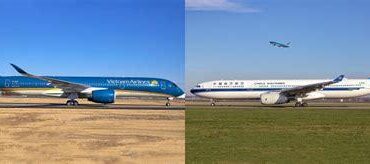
- Airbus A350-900: One of the world’s most efficient wide-body aircraft, equipped with advanced fly-by-wire systems.
- Boeing 787-9 Dreamliner: Renowned for its carbon-fiber fuselage, low cabin altitude, and state-of-the-art monitoring systems.
- Airbus A321neo: Efficient narrow-body aircraft used primarily for regional routes, offering better fuel economy and reduced noise pollution.
By consistently retiring older aircraft and integrating newer, data-rich platforms, Vietnam Airlines ensures that its operational control centers are empowered with real-time health monitoring tools. These platforms allow for predictive maintenance, reducing the risk of inflight malfunctions and improving aircraft availability.
Safety Culture: Training, Discipline, and Human Factors
Safety is not only a technological matter—it is also cultural. Vietnam Airlines has long invested in crew resource management (CRM) training, emphasizing communication, teamwork, and decision-making under pressure. This approach aligns with the latest academic research that identifies human factors as key to preventing errors and incidents.
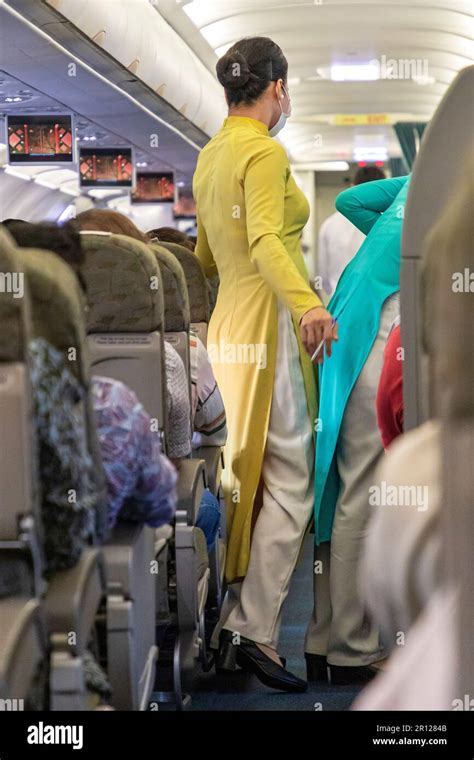
Pilots undergo simulator-based training across diverse scenarios, including adverse weather conditions, engine failures, and emergency landings. Cabin crew members are trained not just in routine service protocols but in safety-first procedures, with regular refresher courses in CPR, fire suppression, evacuation protocols, and threat assessment.
Equally important, VNA maintains a feedback-rich, non-punitive reporting culture—encouraging frontline staff to report anomalies without fear of reprisal. This approach fosters organizational learning and positions the airline to detect weak signals before they evolve into threats.
Passenger Trust and Global Standing
In an era where reputation is shaped by every experience, passenger confidence is the ultimate validation of safety success. Vietnam Airlines consistently receives high ratings in post-flight surveys regarding on-time performance, in-flight service, and confidence in operational reliability.
International partnerships have also deepened in recent years. Vietnam Airlines is a member of the SkyTeam Alliance, giving it visibility and interoperability with carriers like Delta, Air France, and Korean Air. These relationships are only possible when mutual confidence in safety and operational standards is established at the highest levels.
Conclusion: Flying into the Future with Confidence
The story of Vietnam Airlines is not merely one of corporate success—it is a testament to national advancement, institutional rigor, and unrelenting commitment to excellence. From 27 years of incident-free flying to hosting the world’s most influential safety conferences, from fleet modernization to leading symposiums on aviation strategy, Vietnam Airlines stands as a model for how airlines can translate safety into global competitiveness.
As the aviation industry navigates a post-pandemic landscape of evolving threats and rising passenger expectations, the achievements of Vietnam Airlines are not just commendable—they are essential lessons in how safety, when done right, becomes a strategic asset.
With every takeoff, Vietnam Airlines isn’t just flying passengers across continents—it’s setting new standards for safety, resilience, and trust in the skies.