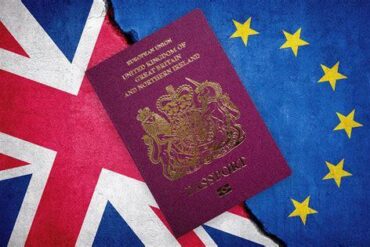
The European Union (EU) has recently announced significant reforms aimed at reinforcing its visa-free travel policies, particularly in response to the growing concerns surrounding security risks associated with ‘golden passport’ schemes. This landmark decision, made by the European Parliament and the Council of the EU, represents a proactive approach towards maintaining the integrity of the visa waiver agreements that allow citizens of certain countries to travel freely within the EU. By implementing tougher measures, the EU aims to ensure that its partners adhere to fundamental human rights standards and international laws.
With the new framework, the criteria for suspending visa-free access have broadened significantly. The EU now explicitly lists violations of the United Nations Charter, severe breaches of international human rights or humanitarian laws, and non-compliance with decisions from international courts as grounds for immediate suspension of travel privileges. This strategic move aligns the criteria for visa suspension with the foundational principles that justified granting such privileges in the first place. The European authorities are determined to create a robust deterrent against violations, ensuring that countries engaged in visa waiver agreements comply strictly with global norms and regulations.
Moreover, the revised legislation addresses contemporary security threats that extend beyond traditional diplomatic disputes. Countries found to be engaging in hybrid threats, which include state-sponsored exploitation of migration flows to destabilize societies, will face rigorous scrutiny and potential visa suspensions. This response is part of the EU’s broader strategy to mitigate risks associated with investor citizenship schemes, which have garnered criticism for facilitating illicit financial activities and compromising national security.
The EU’s focus on golden passport schemes is particularly noteworthy, as these programs have come under increasing global scrutiny. Critics argue that these schemes can create loopholes for criminals and those seeking to exploit EU member states for personal gain. As such, the EU has intensified its commitment to ensuring that countries offering these citizenship-by-investment programs adhere to stringent security measures.
In addition to targeting investor citizenship schemes, the EU’s updated visa rules emphasize the necessity for alignment with EU visa policies. Countries that permit their territories to become transit points for illegal immigration into Europe face the risk of losing their visa-free status. This is a critical measure designed to uphold European standards and reduce vulnerabilities along the EU’s external borders.
The new regulations also include specific provisions aimed at holding government officials accountable for breaches related to human rights violations. For the first time, the EU will restrict the travel freedoms of high-ranking officials implicated in such offenses, a move that underscores the bloc’s commitment to enforcing compliance at all levels of governance. By imposing personal accountability on these officials, the EU seeks to foster greater adherence to human rights standards and deter state-level abuses.
Furthermore, the updated legislation clarifies existing conditions concerning unauthorized stays, asylum applications, and crime rates. Under the new rules, visa-free privileges may be suspended if there is a substantial increase—quantified as a 30% rise—in illegal stays or serious criminal activities originating from a specific country. Similarly, if asylum applications from a country exhibit recognition rates below 20%, this could trigger an immediate review of its visa-free status. These thresholds are strategically designed to maintain a secure and orderly immigration environment, directly influencing travel policies across the EU.
The implications of these enhanced restrictions are far-reaching, particularly for the global travel industry. Airlines, travel operators, hospitality businesses, and tourism boards worldwide must now stay attuned to political and security developments within visa-waiver countries. Sudden visa suspensions can have a dramatic impact on travel patterns, affecting airline revenues, hotel occupancy rates, and overall tourism economies. As a result, travel agencies specializing in European destinations will need to develop contingency plans to adapt swiftly to changing visa regulations. This may involve proactive communication with customers, alternative destination recommendations, or targeted marketing strategies aimed at reassuring potential travelers about the stability and compliance of their travel plans.
For tourists and frequent travelers, especially those hailing from countries that might be at risk of suspension under these new rules, vigilance is paramount. Potential disruptions may manifest in the form of sudden visa requirements, increased documentation demands, and heightened scrutiny at EU borders. Consequently, travelers should prepare for possible increases in travel costs, extended processing times, and a general decline in travel convenience, which could deter some from selecting EU destinations altogether. Additionally, the repercussions of these policy changes could lead to diplomatic fallout affecting international relations and bilateral travel agreements.
Tourism-reliant economies within the EU are particularly vulnerable; they could experience declines in visitor numbers if visa suspensions are enacted, resulting in significant repercussions for businesses dependent on international tourism. The economic ramifications may be profound, impacting not just the hospitality sector but also retail, transport, and other industries that thrive on tourist spending.
From a geopolitical perspective, this reform signals the EU’s increasing assertiveness in enforcing its travel policies, aligning with global trends advocating for stricter border controls. Countries that have previously benefited from visa-free access to the EU now face heightened pressure to comply with international regulations, which could redefine diplomatic relations on a global scale.
As these new measures begin to take effect, stakeholders—including travel industry professionals, governmental bodies, and international organizations—will closely monitor the real-world impacts of the reforms. The ultimate goal is to enhance security without unduly restricting legitimate travel. The EU’s approach may set precedents for future global travel policies, influencing how nations navigate the delicate balance between security and accessibility in an increasingly interconnected world.
In conclusion, the EU’s strengthened rules regarding visa-free travel mark a significant step towards addressing security risks associated with golden passport schemes and other potential threats. By broadening the criteria for suspension and emphasizing accountability, the EU aims to safeguard its borders while maintaining the integrity of its visa waiver agreements. The ongoing evolution of these policies will undoubtedly shape the future landscape of international travel, presenting both challenges and opportunities for travelers and the travel industry alike.