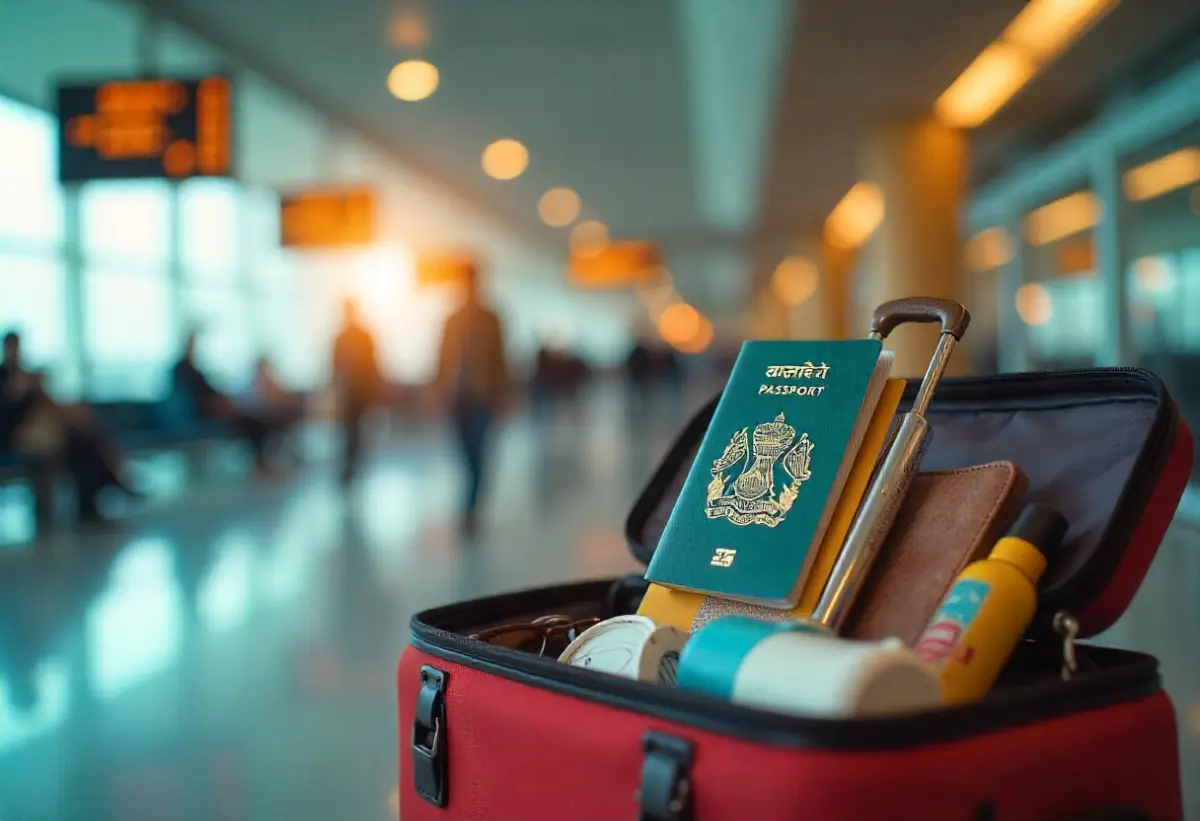
In a significant breakthrough for Indian travellers, recent developments have enabled citizens to visit numerous countries without the need for a prior visa. This enhancement in mobility is not merely a numerical improvement; it reflects India’s growing stature on the Henley Passport Index, now ranked 77th globally, an impressive leap of eight places from the previous year. This milestone represents expanded access for Indian tourists, professionals, and students, subtly influencing global travel patterns and impacting tourism markets in Southeast Asia, particularly Thailand.
The official data corroborates this positive trend, aligning with the latest Henley Passport Index, which is grounded in information from the International Air Transport Association (IATA) and validated by Henley & Partners. The increase in India’s passport strength can be attributed to the newly acquired visa-free access to two additional countries: the Philippines and Sri Lanka. Confirmations from the Ministry of External Affairs and other governmental communications reveal that Indian passport holders can now enjoy visa-free entry to a range of destinations including Malaysia, Thailand, Maldives, Indonesia, and several others across Asia, Africa, Oceania, and the Caribbean.
The 2025 Henley Passport Index evaluates passports based on the number of destinations accessible without a prior visa. India’s advancement from 85th to 77th place signifies more than just numeric growth; it mirrors broader trends in global mobility. Asian nations such as China, UAE, Saudi Arabia, and India are climbing the ranks, while traditional Western powers like the US and UK have seen declines due to stricter visa policies.
Full Visa-Free Destination List & Regional Insights
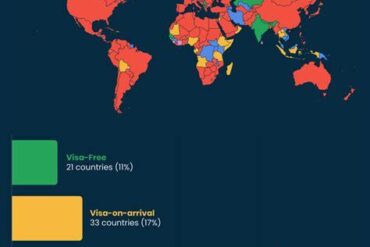
As of now, Indian citizens can enter numerous destinations visa-free or through visa-on-arrival and electronic travel authority (e-ETA) schemes. Notable countries include:
- Asia: Thailand (visa-free for up to 30 days), Indonesia (visa-free for up to 30 days), Malaysia (visa-free for up to 30 days), Sri Lanka (e-ETA), Nepal (visa-free), Bhutan (visa-free), Maldives (visa-on-arrival for 30 days), Cambodia (visa-on-arrival/eVisa), Laos (visa-on-arrival), Timor-Leste (visa-on-arrival), Myanmar (eVisa).
- Middle East: Iran (visa-on-arrival), Jordan (visa-on-arrival), Qatar (visa-free for up to 30 days).
- Africa: Kenya (eVisa), Mauritius (visa-free for up to 60 days), Seychelles (visitor’s permit on arrival), Tanzania (visa-on-arrival), Senegal (visa-free), Madagascar (visa-on-arrival), Rwanda (visa-on-arrival), Togo (visa-on-arrival).
- Europe: Serbia (visa-free for up to 30 days), Albania (seasonal visa-free).
- Oceania: Fiji (visa-free for up to 120 days), Micronesia (visa-free for up to 30 days), Samoa (entry permit on arrival), Niue (visa-free), Cook Islands (visa-free).
- Caribbean: Jamaica (visa-free), Trinidad and Tobago (visa-free), Barbados (visa-free), Saint Kitts and Nevis (visa-free for up to 90 days), Dominica (visa-free for up to 180 days).
- South America: Bolivia (visa-on-arrival/eVisa), Guyana (visa-free for tourism), Suriname (visa-free).
- Central America: El Salvador (visa-free), Nicaragua (visa-on-arrival).
This expanded access not only simplifies travel planning for Indian passport holders but also enhances regional travel possibilities, making itineraries across Asia and neighboring regions much more feasible.
Why Passport Strength Matters Beyond Travel
The significance of passport strength transcends mere travel convenience. With fewer delays and reduced costs associated with visa applications, Indian travellers can now engage in spontaneous tourism, business travel, and regional exploration with greater ease. This development signals India’s increasing diplomatic engagement and enhances its reputation as a trustworthy partner in global mobility. For business professionals, students, and digital nomads, the benefits of this expanded mobility are particularly pronounced, strengthening India’s soft power and fostering pathways for cultural and economic exchanges.
Looking Ahead: Trends and Opportunities
India’s ascent in the Henley rankings not only illustrates the potential for further mobility gains through diplomatic channels but also suggests that popular travel destinations, particularly Thailand, may benefit from increased Indian tourist numbers. As Indian traveller volumes rise, Southeast Asian nations might enhance visa facilitation to capture this influx, potentially leading to reciprocal agreements that simplify entry routes for ASEAN nationals into India.
Conclusion
The recent developments in visa-free travel for Indian passport holders mark a meaningful step towards enhancing international mobility. With India’s rank now at 77th in the Henley Passport Index, the implications are profound for Indians traveling for tourism, education, or work. For countries like Thailand, included in this list, the changes promise smoother access for Indian visitors, amplifying the momentum of travel ties between these nations. The future looks bright for Indian travellers, as the world becomes increasingly accessible.