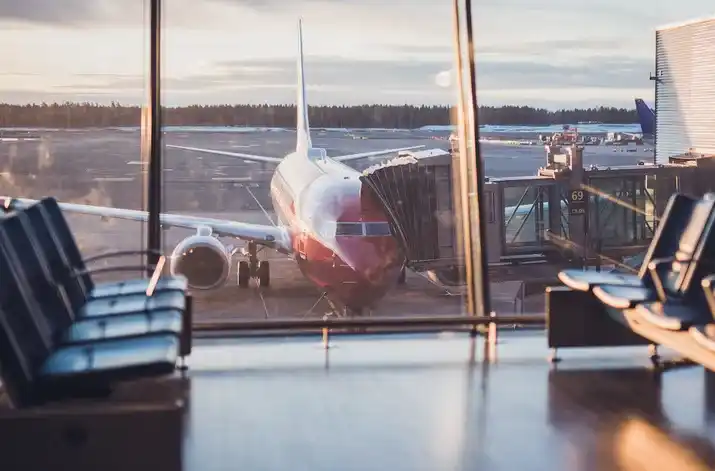
The U.S. domestic business travel sector has shown resilient growth, rising by 5% over the past three months according to data from Flight Centre Travel Group. This development marks a significant uptick in corporate travel activity, especially in the face of persistent economic uncertainties. From March to May 2025, the momentum in business travel not only exceeded expectations but also surpassed the 2% growth recorded in April, emphasizing the sector’s role as a barometer of economic stability and corporate confidence.
Business Travel Growth Signals Corporate Confidence
The uptick in business travel underscores a deeper shift in corporate behavior. Companies, despite concerns over inflation, interest rates, and geopolitical volatility, are clearly choosing to prioritize face-to-face engagements. The rebound is not merely a return to pre-pandemic norms but represents a recalibration where in-person collaboration is once again being valued as a key driver of business development, client relationships, and organizational cohesion.
In particular, business leaders are realizing that remote meetings—while convenient—cannot replicate the nuance, spontaneity, and strategic alignment that in-person gatherings provide. The 5% growth is a reflection of renewed travel budgets, proactive networking strategies, and industry-wide acknowledgment that physical presence matters.
Urban Powerhouses Lead the Surge in Corporate Travel
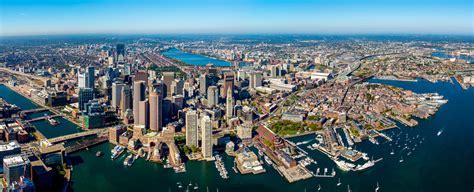
Among the U.S. cities driving this trend, a familiar cast of urban heavyweights leads the charge. New York, Chicago, Boston, and Dallas remain pivotal destinations for corporate travelers, thanks to their financial, commercial, and logistical importance. However, one city has emerged as a standout performer: Las Vegas.
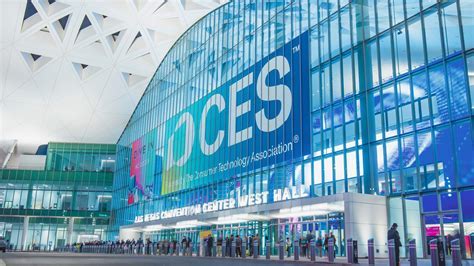
With a staggering 26% year-over-year growth, Las Vegas has cemented its status not only as an entertainment capital but also as a premier business hub. The city’s booming infrastructure for conventions, meetings, and exhibitions (MICE) has attracted a wave of new corporate interest, transforming its image from leisure-focused to a hybrid powerhouse of business and pleasure.

Other cities making significant strides include:
- Orlando, with a 19% year-over-year increase, fueled by its expansive convention centers and hospitality sector.
- Nashville, registering a 17% growth, thanks to its rapid urban development and rising status as a cultural and business destination.
These shifts indicate a broadening of the U.S. business travel map, where cities beyond the traditional coastal giants are now capturing the attention of national and global companies.
Drivers Behind the Resurgence of Business Travel
A combination of economic, cultural, and strategic factors explains the current resurgence. Companies are adapting to a hybrid work model, which has paradoxically increased the need for occasional, high-impact travel. With employees dispersed and remote, organizations now rely more on intentional travel events—such as strategy offsites, training retreats, and client meetings—to sustain cohesion.
Moreover, there’s a growing acknowledgment that travel investments yield measurable ROI. Decision-makers understand that sealing deals, forging alliances, or nurturing clients in person often produces outcomes that virtual meetings cannot. Hence, corporate budgets are being adjusted accordingly, even in sectors where cost control is tight.
Emerging Destinations Fueling Growth
The rise of second-tier cities in business travel speaks to a broader trend: accessibility, affordability, and versatility. Locations like Orlando and Nashville are capitalizing on:
- Competitive convention infrastructure
- Modern transport connectivity
- Robust hotel availability
- A growing ecosystem of startups and regional offices
These cities offer a compelling proposition: the convenience and capacity of larger hubs, without the congestion and costs. As such, they are rapidly becoming preferred venues for small to mid-sized corporate events, regional gatherings, and vertical-specific industry summits.

Economic Implications of Increased Business Travel
This growth is more than a business trend—it’s an economic signal. A 5% increase in business travel is indicative of wider macroeconomic health. It suggests:
- Improving corporate revenues, allowing more discretionary spend on travel.
- Confidence in U.S. economic policy, supporting future-facing business decisions.
- Stronger job market conditions, where companies invest in employee engagement and mobility.
Moreover, the business travel industry supports a complex network of sub-sectors: airlines, hospitality, transportation services, event management, and local economies. Every uptick in travel volume has a multiplier effect—boosting hotel occupancy, restaurant footfall, transport demand, and urban spending in destination cities.
Business Travel in the Post-Pandemic Context
What makes this growth particularly compelling is the context of recovery. Business travel was one of the hardest-hit segments during the pandemic. The return to robust figures—particularly with a 5% quarter-over-quarter increase—signals not just recovery, but renewed vigor.
Remote work, once thought to threaten business travel indefinitely, is now coexisting with it. Instead of replacing travel, remote work has redefined its purpose, making each trip more strategic. Business travel is no longer about quantity, but quality engagements—and that evolution is proving durable and dynamic.
Future Outlook: Sustained Momentum or Temporary Spike?
Looking ahead, several trends suggest that this momentum will not fade quickly:
- Global competition is intensifying, pushing U.S. firms to strengthen their networks via direct engagement.
- Technology conferences, mergers, and industry expos are returning in full force, necessitating in-person participation.
- Travel technology adoption is making corporate travel smoother, safer, and more trackable, further encouraging its use.
- Incentive travel is growing as firms use retreats and reward trips to drive performance and retention.
Additionally, airlines and hospitality providers are adjusting their offerings to better serve the corporate traveler, with loyalty perks, flexible booking policies, and improved digital experiences.
The challenge will lie in sustaining this growth amid potential headwinds like fuel costs, labor shortages, or geopolitical disruptions. Still, the current data paints a picture of a sector that has regained its footing and is once again powering American business resilience.
Conclusion: A New Chapter for U.S. Domestic Business Travel
The 5% growth in U.S. domestic business travel from March to May 2025 marks a defining moment for the travel industry and the broader economy. It reflects a renewed confidence among companies, a willingness to reinvest in human connection, and a recognition that face-to-face interaction remains vital to long-term success.
As businesses adjust to new models of work and engagement, travel has emerged not as a relic of the past, but as a strategic asset for the future. Cities like Las Vegas, Orlando, and Nashville are proving that the business travel landscape is evolving—not shrinking. With a growing roster of destinations, renewed focus on impactful engagements, and an economy that remains surprisingly resilient, the U.S. domestic business travel market is not just recovering—it is redefining itself as a cornerstone of corporate strategy in the modern age.