The Economic Challenges of Travel
Navigating Nigeria’s current economic landscape is no small feat. With an exchange rate exceeding N1,500 to $1 USD, the financial burden of international travel has intensified. The average economy class return ticket now ranges between N1.2 million and N2 million, a steep price for many. Furthermore, hotel accommodations typically cost around $200 per night, while additional expenses for activities, transport, and tours can significantly inflate budgets. For most Nigerians, these figures represent a considerable financial hurdle, suggesting that only those with substantial resources can afford such ventures.
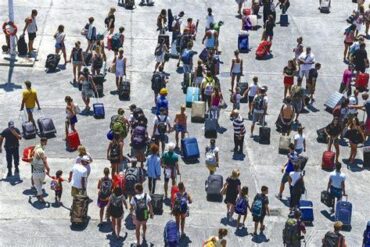
Despite these economic constraints, travel agents report that flights to international destinations remain fully booked with Nigerian travelers. This trend highlights a diverse range of motivations driving this travel, including family reunions, medical tourism, and business trips. Chinda Elue, a travel agent from Port Harcourt, notes that while demand for international travel saw a near 50% decline during the previous two years, it has begun to recover. Events such as weddings, birthdays, and baby showers continue to fuel the travel aspirations of many Nigerians, particularly within the wealthier segments of society.

The Social Pressure to Travel
In addition to financial considerations, social pressures play a significant role in motivating Nigerians to embark on international journeys. A cultural phenomenon known as “status tourism” has emerged, where individuals feel compelled to showcase lavish vacations on social media platforms. This desire to maintain a certain lifestyle often leads to significant spending, sometimes at the expense of personal financial stability. Chimezie Ogunka, a retail banker, observes that many clients resort to loans to finance their summer getaways, all while juggling other financial obligations like school fees and rent upon their return. This behavior exemplifies a societal expectation to display affluence, even when it may not align with one’s actual financial situation.
A Shift Toward Domestic Tourism
Amidst the rising costs of international travel, there is a noticeable shift towards domestic tourism among Nigerians. Many are beginning to recognize the beauty and richness of local destinations that offer comparable experiences without the financial strain associated with overseas travel. Bolaji Mustapha, President of the Nigeria Association of Tour Operators (NATOP), advocates for exploring local attractions, emphasizing that Nigeria boasts numerous beautiful sites worthy of exploration. From serene resorts to vibrant cultural festivals, there is a wealth of options for domestic travelers.
Among the top domestic tourism destinations is the Ikogosi Warm Springs Resort in Ondo State, renowned for its unique natural springs, where hot and cold water flow side by side. Lagos also continues to attract visitors with its world-class beaches, such as Tarkwa Bay, Elegushi, and Oniru, making it a favored spot for both locals and tourists seeking sun and relaxation. Furthermore, attractions like Obudu Mountain Resort in Cross River State provide breathtaking views and a cool climate, appealing to those looking for a refreshing escape.
Cultural tourism is gaining traction in cities like Osogbo, Kano, and Ilorin, where significant festivals such as the Durbar Festival in Kano and the Osogbo Festival draw both tourists and locals alike. These events not only celebrate Nigerian culture but also provide budget-friendly holiday experiences rich in history and tradition.
Domestic Travel Over International Leisure
Nigerians are finding that they can create memorable summer experiences without venturing abroad. Take Mike Ushie, a telecom engineer who spent his last summer at the Smokin Hills Golf Resort in Ilara Mokin, Ondo State. He praised the resort for its tranquility and world-class facilities, providing a perfect retreat without the high costs and hassles of international travel. Similarly, regions in the South-East, such as Owerri and Enugu, are emerging as popular domestic destinations, boasting luxurious resorts and leisure centers where visitors can unwind and engage in recreational activities.
The Enugu State Government is actively investing in improving local attractions, such as Nike Lake Resort and Awhum Waterfalls, further positioning the region as a rising star in Nigeria’s domestic tourism sector.
The Need for Support from Government
Travel agent Chinda Elue emphasizes the critical role of government support in promoting domestic tourism. Drawing comparisons to East Africa, where initiatives have successfully encouraged domestic travel through incentives and discounted rates, he argues that Nigeria should adopt similar strategies. By reducing domestic airfare costs and enhancing infrastructure, the government can facilitate a thriving tourism sector that benefits both the economy and local businesses. Effective promotion of local destinations is also essential in fostering a culture of domestic travel.
Conclusion: A Balance Between Foreign and Domestic Travel
While the aspiration for international holidays remains strong among Nigeria’s affluent class, domestic tourism presents viable alternatives for the broader population. Exploring Nigeria’s diverse cultural, historical, and natural attractions can provide enriching experiences without the financial burden of international travel. Whether it’s a quick getaway to Ikogosi Springs, a family holiday in Obudu, or simply enjoying the beaches of Lagos, local tourism offers affordable options that promote local enterprise, create jobs, and stimulate the economy. It is high time for Nigerians to embrace their own country’s offerings, ensuring that every holiday serves not just as a respite but as a contribution to the growth and development of Nigeria.