Portuguese tourists are increasingly bypassing the once-beloved Algarve in favor of more exotic, luxurious, and affordable escapes in Mexico, Morocco, Tunisia, and Cape Verde. As the southern Portuguese coast becomes financially out of reach for many, these vibrant international destinations are stepping into the spotlight, offering not only lower costs but also an unparalleled travel experience that blends comfort, culture, and adventure.
Algarve’s Rising Prices Trigger Shift in Travel Habits
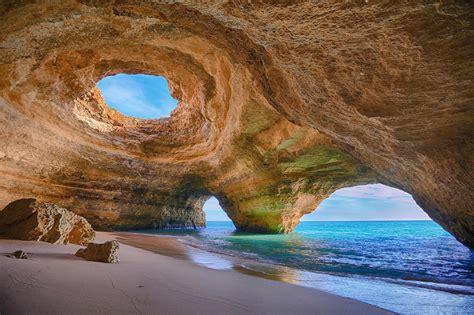
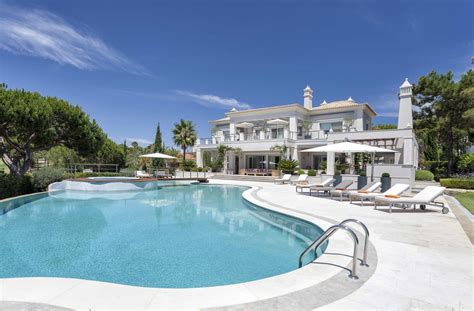
Portugal’s Algarve has long stood as a quintessential summer retreat for both locals and international travelers. Its pristine beaches, golden cliffs, and warm hospitality have made it a top-tier destination. However, recent years have witnessed an alarming rise in costs. Today, a standard week-long stay in high-demand areas such as Albufeira or Vilamoura can easily exceed €1,500, excluding flights and additional expenses. This inflation is testing the patience and budgets of Portuguese holidaymakers who, once loyal to their home shores, are now venturing abroad.
The Corpus Christi Bank Holiday in 2025 underscored this shift. Normally a prime travel period within Portugal, this year’s data showed a notable dip in domestic movement. Hotels in the Algarve, despite high occupancy numbers exceeding 80%, are failing to meet revenue expectations. The mismatch lies in the sentiment: value for money is diminishing. For Portuguese travelers facing mounting living costs and seeking a worthwhile vacation, the Algarve simply no longer delivers.
Cape Verde: The Atlantic Paradise Winning Portuguese Hearts
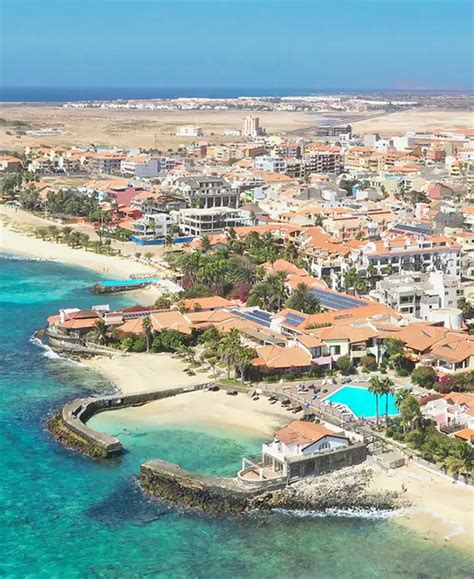
Cape Verde, a volcanic archipelago off the northwest coast of Africa, has emerged as a serene and sophisticated alternative. With direct flights from Lisbon and Porto, accessibility has never been easier. The islands boast pristine beaches, Afro-Portuguese culture, and affordable five-star resorts, making them highly attractive to families, couples, and retirees alike.
In Cape Verde, travelers can enjoy an all-inclusive luxury escape for less than half the cost of a comparable stay in the Algarve. Popular islands such as Sal and Boa Vista offer sweeping beaches, crystal-clear waters, and excellent water sports facilities. The local hospitality scene, bolstered by Portuguese investment, retains a familiar cultural flavor while introducing travelers to new experiences.
Morocco: Culture-Rich and Cost-Effective
Morocco is experiencing a resurgence among Portuguese tourists, driven by its exotic allure, diverse landscapes, and budget-friendly pricing. Cities like Marrakech, Essaouira, and Agadir offer an intoxicating blend of ancient heritage, vibrant markets, and coastal luxury. For Portuguese travelers, Morocco’s proximity and affordability are its twin trump cards.
A week-long trip to Morocco often costs less than a domestic holiday. Packages include Riad stays, guided desert tours, and all-inclusive seaside resorts. The country’s culinary excellence, diverse architecture, and warm climate make it an irresistible destination. Most importantly, it gives Portuguese tourists what the Algarve no longer can: a true sense of escape, novelty, and financial relief.
Tunisia: Mediterranean Luxury Without the Price Tag
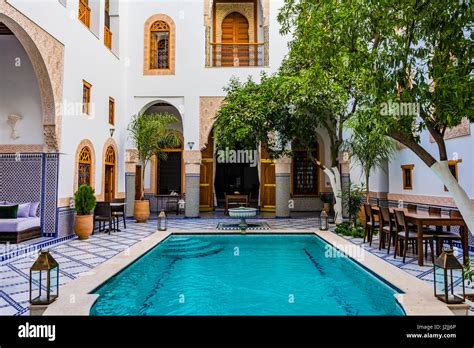
Once considered an underrated Mediterranean gem, Tunisia is reclaiming its spot on the global travel map. For Portuguese tourists, it presents a compelling alternative to the Algarve with its mix of Mediterranean beaches, desert landscapes, Roman ruins, and high-end resorts.
Resorts in Hammamet, Sousse, and Djerba offer holiday packages at nearly a third of Algarve prices. Travelers enjoy full-board services, sea-view accommodations, spa treatments, and cultural excursions—all under budget. Tunisia’s tourism industry has been strategically investing in hospitality infrastructure, allowing it to compete head-to-head with traditional European destinations.
The post-pandemic recovery saw Tunisia quickly adapt with value-focused travel offers. These promotions have resonated especially with Portuguese tourists who feel priced out of their own coastline. Additionally, shared Mediterranean traditions and a relaxed atmosphere create a sense of comfort and familiarity.
Mexico: Caribbean Dreams at Better Rates
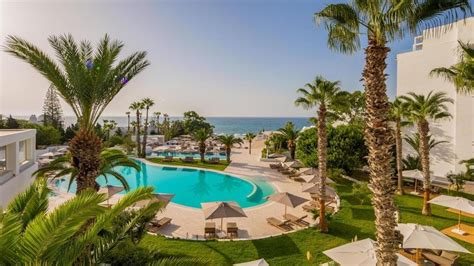
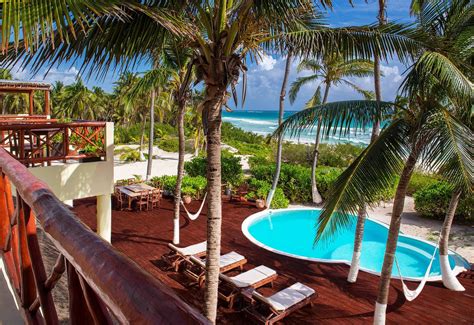
For those seeking long-haul luxury, Mexico is delivering Caribbean opulence at rates that rival and often undercut Algarve pricing. Destinations like Cancún, Tulum, and Riviera Maya have capitalized on their appeal by offering curated travel experiences targeted at European audiences.
In 2025, a growing number of Portuguese tourists are choosing Mexico not just for the sun and sea, but for its world-class resorts, immersive cultural heritage, and excellent hospitality. The cost of an all-inclusive week in a beachfront Mexican resort, including airfare, is surprisingly on par with Algarve hotel rates. For many, the choice becomes simple math: more for the same—or less.
With tailored travel packages and increasing air connections from Lisbon, Portugal’s ties with Latin America are deepening through tourism. Mexico’s appeal extends beyond just price—it’s also about offering a rich, culturally vibrant escape with unrivaled service.
The Numbers Tell the Story
According to industry data, international holiday bookings by Portuguese residents surged 15% in the first quarter of 2025. In contrast, domestic travel bookings—especially to the Algarve—saw a noticeable slump. AHETA (Algarve Hotels and Tourist Enterprises Association) reported hotel occupancy in March dropping to 51.9%, a clear indication that travelers are looking elsewhere.
Even though the Algarve welcomed a record 5.2 million tourists in 2024, including 3.8 million international visitors, this momentum is fragile. If the pricing trajectory continues, the region may lose its domestic base permanently. The Algarve economy, heavily reliant on tourism, is at a critical juncture.
Algarve at Risk: A Cautionary Tale
The Algarve’s pricing problem is multifaceted. Inflation, labor shortages, increased operational costs, and a post-COVID boom allowed hotels and restaurants to raise prices. But these gains are now being tested by international competition offering superior value propositions.
Conversations in Portuguese households are changing. Instead of discussing which Algarve beach to revisit, they’re comparing flight deals to Mexico or Tunisia, or browsing resort reviews in Cape Verde. The Algarve risks alienating its core audience—domestic travelers who once saw it as their default summer retreat.
To reverse this trend, the region’s tourism stakeholders must reevaluate pricing models, enhance local travel incentives, and focus on authenticity and value. Without meaningful changes, the Algarve could become a luxury destination catering only to the international elite—far removed from the accessible paradise it once was.
A New Era of Portuguese Tourism
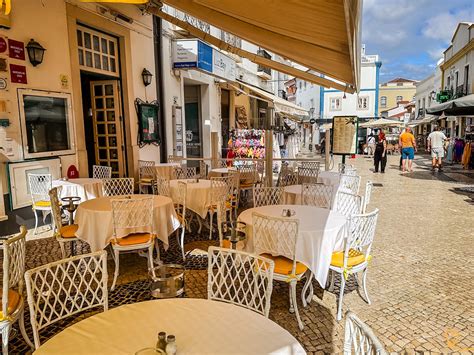
The growing popularity of Cape Verde, Tunisia, Morocco, and Mexico reflects a broader trend in consumer behavior: travelers are more discerning, more global, and increasingly guided by value-driven decision-making. The rise of digital travel platforms, competitive airfares, and social media influence have all contributed to this evolution.
Portuguese tourists are no longer content with nostalgia. They seek new sights, flavors, and adventures—without being financially stretched. These emerging luxury destinations deliver on all fronts: affordability, exotic appeal, and high service standards. The shift marks a potential new era in Portuguese tourism, one where local destinations must adapt or fall behind.
As the 2025 summer season unfolds, it’s clear that the Algarve faces a defining moment. If the region hopes to regain its standing among Portuguese holidaymakers, it must match the competitive allure of the international players now capturing their hearts—and their euros.