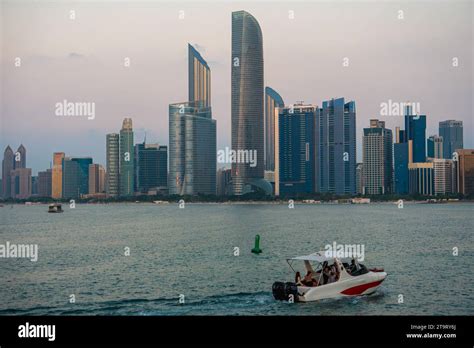
The idea of leaving the United States for a life abroad is no longer reserved for retirees or idealistic wanderers. Increasingly, Americans are packing their bags for the United Arab Emirates (UAE)—particularly cities like Dubai, Abu Dhabi, and Al Ain. While motivations vary, the pattern is clear: more Americans are seeing the UAE not just as a pitstop, but as a viable, rewarding alternative to life in the U.S.
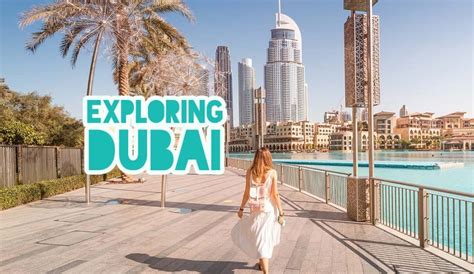
Strategic Location and Unmatched Travel Access
One of the most immediate benefits Americans cite is the UAE’s unbeatable travel location. From the U.S., a 3- to 4-hour flight often keeps you stateside or at best lands you in Mexico or Canada. In contrast, Dubai and Abu Dhabi sit at the crossroads of three continents, and within a few hours, residents can find themselves in Greece, Kenya, India, or Turkey. For those with a passion for travel or global exploration, the UAE offers more diversity and accessibility in its backyard than most U.S. cities ever could.
Lifestyle Debates: Is Dubai an American Suburb in Disguise?
Urban design and lifestyle comparisons often arise when Americans evaluate the UAE. Some argue that Dubai, with its car-centric sprawl, expansive roads, and gated communities, resembles a massive American suburb. However, others push back, noting that while some infrastructure elements feel familiar, the social fabric, amenities, and urban tempo deviate sharply from suburban America. The UAE’s mix of luxury high-rises, diverse expat neighborhoods, and integrated commercial zones carves out a lifestyle rhythm all its own.
Financial Incentives: Higher Salaries, Lower Taxes
Perhaps the most decisive factor for American expatriates is financial advantage. With zero local income tax and the U.S. Foreign Earned Income Exclusion (FEIE) allowing up to $110,000 of foreign income to be excluded from U.S. taxation, high earners find the UAE especially lucrative. Many Americans report earning two to three times their U.S. salary for equivalent roles.
However, this advantage hinges on securing the right position. Long-term expats caution against moving without a high-paying job or comprehensive expat package in place. In the absence of such arrangements, the high cost of living, especially in housing, schooling, and imported goods, can quickly erode potential savings.
Retirement and Long-Term Financial Planning
Despite the financial appeal, the UAE lacks long-term retirement structures familiar to Americans. There’s no 401(k) equivalent, nor do expats contribute to U.S. Social Security while abroad. Instead, Americans living in the UAE often establish IRAs and high-yield savings strategies to self-fund retirement. Maintaining a U.S. bank account, mailing address, and credit cards is strongly advised to avoid disruptions to credit histories and to simplify financial transitions if or when moving back.
A Culture of Safety and Stability
The unparalleled safety of the UAE consistently ranks as a top benefit. Crime rates are impressively low—gun violence is practically nonexistent, theft is rare, and women can safely walk alone at night in most neighborhoods. Parents note the ease of letting children explore outdoors, walk to nearby shops, or even leave valuables unattended in public without concern. For families, this translates into a sense of freedom and security that contrasts sharply with growing safety concerns in the U.S.
Family Life and Child-Friendly Culture
For families, the UAE’s culture is uniquely accommodating. Children are welcomed nearly everywhere—from upscale restaurants to public spaces. Unlike in the U.S., where kids are often expected to behave like miniature adults, the UAE fosters an environment where children can simply be children. Families enjoy abundant parks, beaches, and entertainment venues designed with young visitors in mind.

Schooling, however, comes at a premium. With no public school options for expats, private international schools are the norm, and tuition can be substantial. Fortunately, many employers offer education allowances to help offset these costs.
Work Culture: Mixed Realities
Work-life balance in the UAE is a double-edged sword. On one hand, the 4.5-day workweek and generous vacation packages (often exceeding six weeks annually) offer a refreshing contrast to the American grind. On the other, high-pressure corporate cultures and long hours remain common, especially in competitive sectors. American expats advise setting clear expectations with employers and fully understanding job demands before committing.
Cultural Adjustment and Legal Awareness
Cultural transition can be challenging. The UAE enforces strict laws around speech, online conduct, and social behavior. Defamation, even of companies or individuals, can lead to prosecution. Laws can evolve rapidly, and ignorance is not considered a valid defense. Drug laws are particularly harsh—with zero tolerance, including for trace residues or prescription misunderstandings.
That said, English is widely spoken. Most services, transactions, and day-to-day communications happen in English, though often in a hybridized form that blends American, British, Indian, and Filipino English dialects. For many, this makes adaptation easier, though regional vocabulary differences still require adjustment.
Diversity, Racism, and Classism
The UAE’s social mosaic is deeply international, with expats comprising nearly 90% of the population. This multicultural blend fosters a sense of global community, but also introduces layers of classism and nationality-based hierarchies. While some Americans—especially people of color—report experiencing less racism than they did in the U.S., others note that social stratification often aligns with income and nationality.
American passports, paired with high salaries, can insulate expats from many inequities. However, these benefits are not universal, and awareness of underlying class structures is essential.
Abu Dhabi vs. Dubai: Choosing the Right City
While Dubai garners global attention with its glamor and rapid growth, many Americans find Abu Dhabi more livable. Abu Dhabi is often viewed as more family-friendly, culturally authentic, and less transient. Institutions like NYU Abu Dhabi, Cleveland Clinic, and Mayo Clinic draw American professionals, while oil and gas companies attract skilled workers, particularly from Texas.
Meanwhile, Al Ain offers a more traditional Emirati experience. Non-Muslim residents may find it quieter, but many praise the warm community and slower pace. However, expats unanimously agree on one thing: summer heat is brutal. Coastal humidity and desert temperatures exceeding 110°F can make outdoor activities virtually impossible for half the year.
Practical Barriers and Unexpected Hurdles
Despite the many advantages, daily life in the UAE comes with its own friction points. Job hunting can be difficult without local networks. Driving is stressful, with chaotic traffic patterns and unconventional road layouts. Prices for groceries and essentials can swing dramatically, and navigating bureaucracy often involves circular processes and conflicting instructions.
Yet, these frustrations are frequently offset by lifestyle perks: world-class malls, endless dining options, and unique cultural attractions. Public transportation, while underdeveloped in some areas, is bolstered by a growing metro system in Dubai that, while crowded, continues to expand.
Social Media, Materialism, and Modern Myths
Much of the UAE’s international reputation is shaped by social media influencers and luxury-driven marketing. The “Come to Dubai, Habibi” narrative, filled with G-Wagons, brunches, and designer labels, may appeal to some, but long-term expats caution against chasing illusions. Many find the lifestyle materialistic to a fault, with children raised in environments where brand-name obsession begins shockingly young.
Concerns about the so-called “nanny generation”—children primarily raised by domestic workers—highlight a growing debate among locals and expats alike. While having household help is common and affordable, some families strive to balance support with hands-on parenting to avoid emotional detachment.
Final Word: Temporary Haven or Long-Term Home?
Ultimately, most Americans in the UAE recognize the experience as inherently temporary. The lack of a pathway to permanent residency or citizenship, coupled with long-term concerns like Social Security gaps and educational continuity, often lead families to return to the U.S. after several years.
That said, the UAE continues to attract professionals seeking financial growth, cultural exposure, and a break from American volatility. For those who arrive with a strong job offer, realistic expectations, and a flexible mindset, the UAE offers an extraordinary chapter in the American expatriate story.